
Last updated November 16, 2026
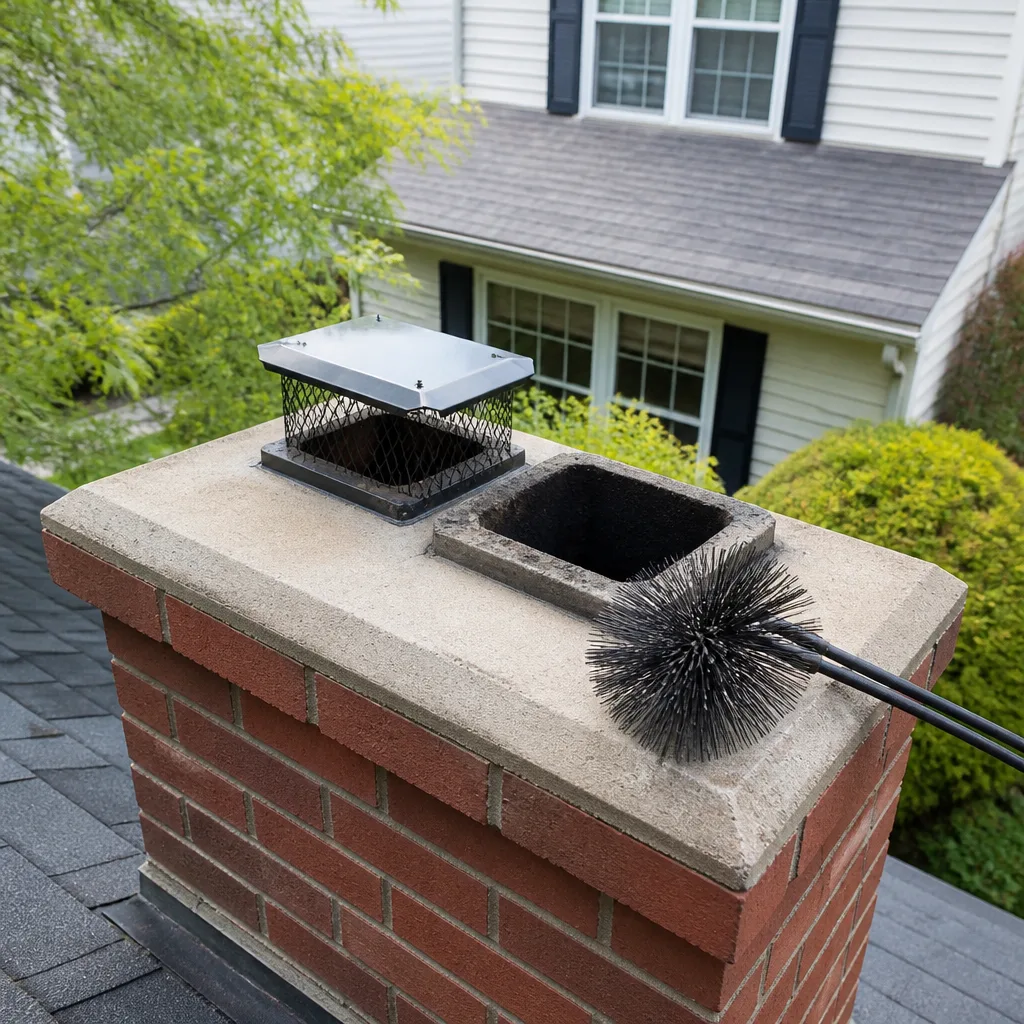 Sweep & inspection
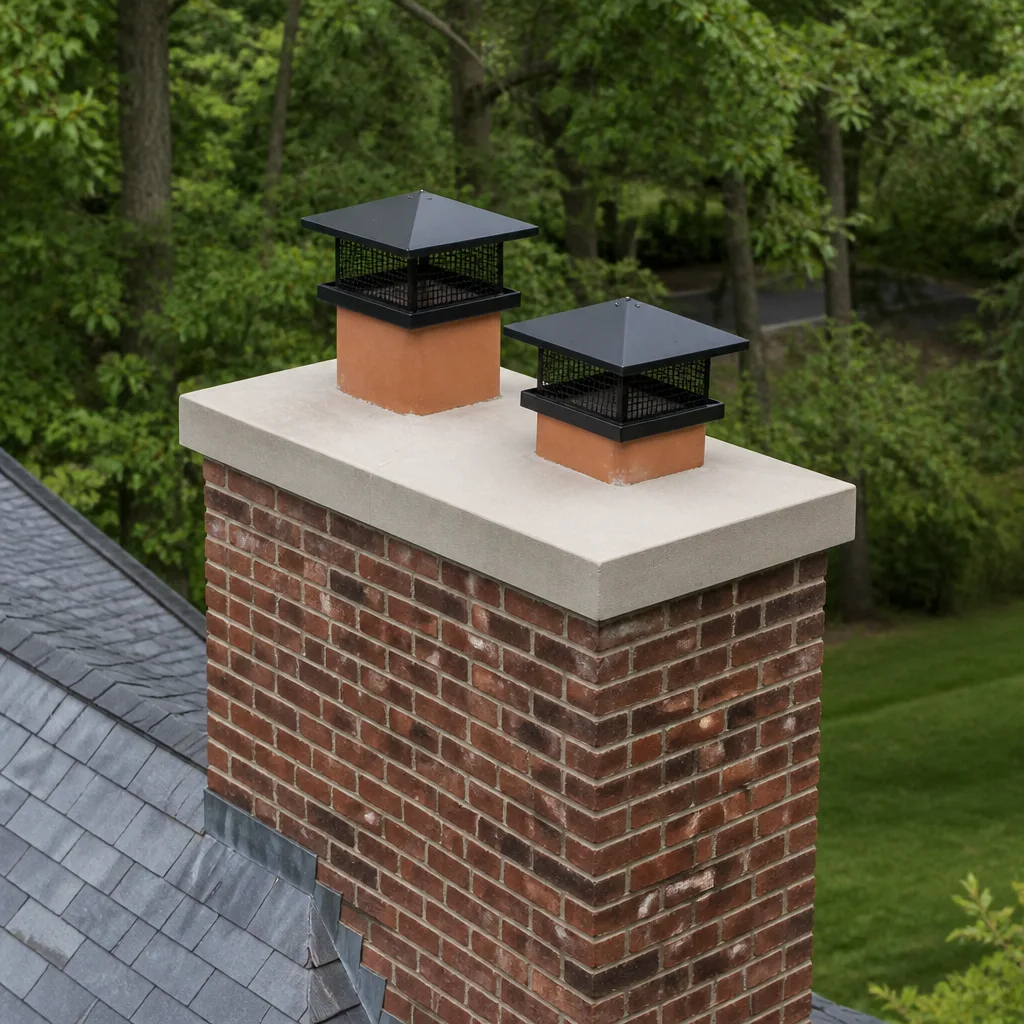 Caps & crowns
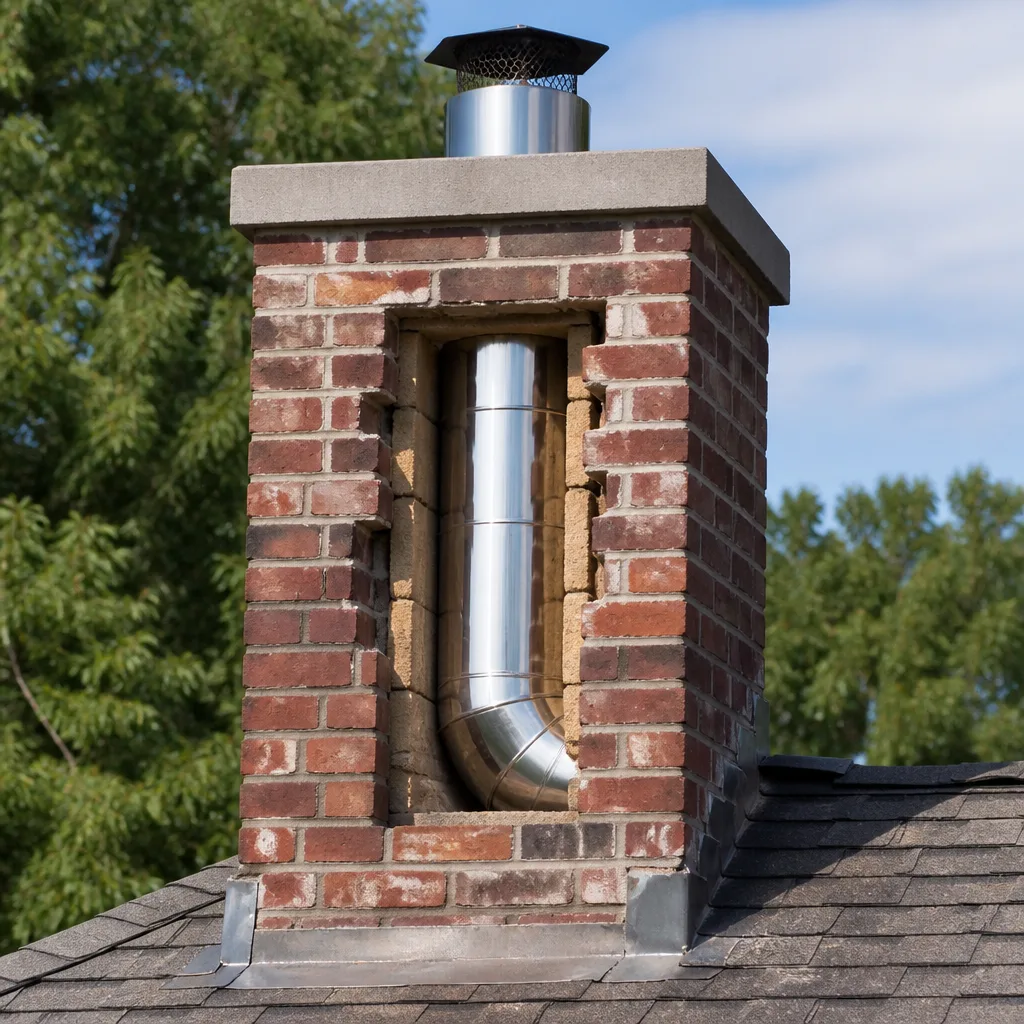 Flue relining
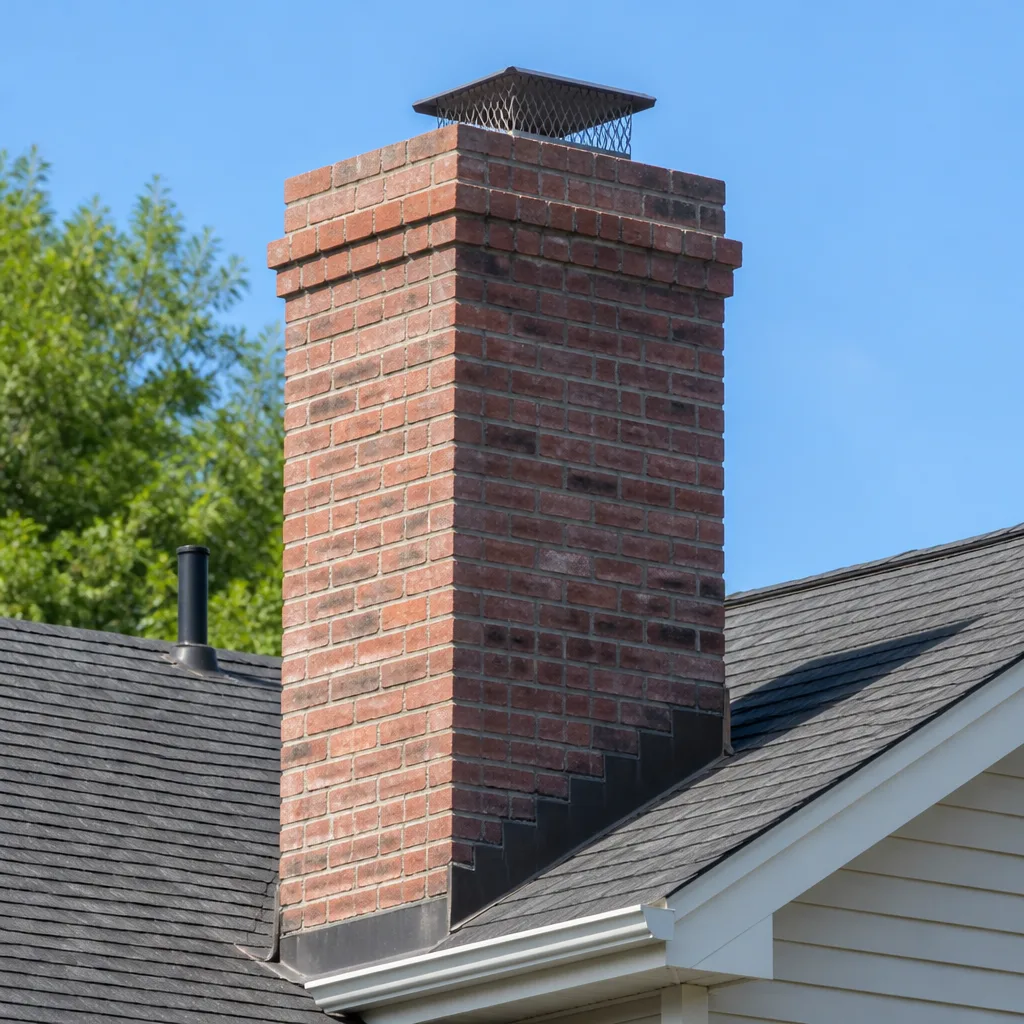 Masonry repair
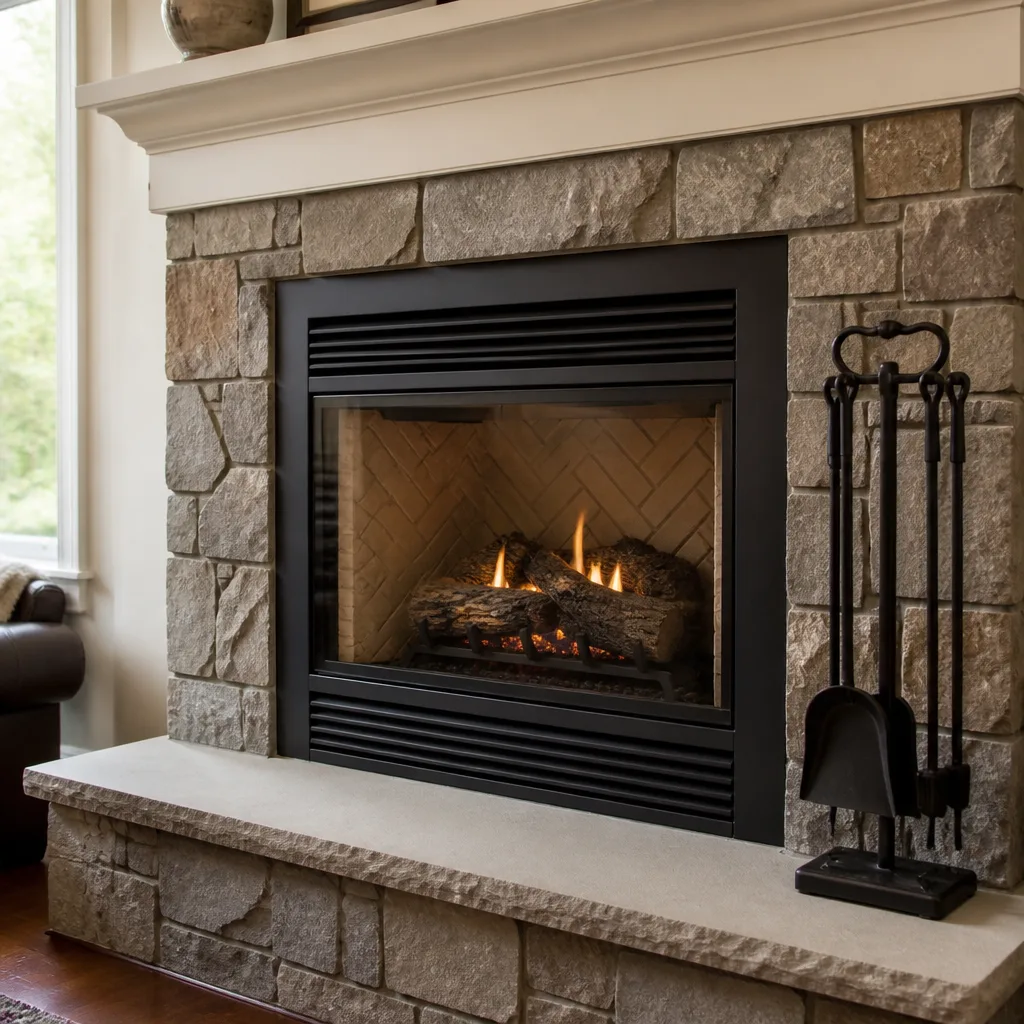 Gas fireplace service
Level 1 sweep and inspection to the NFPA 211 annual standard - flue, crown, cap, and flashing checked and photographed
Chimney sweep logs do not sweep chimneys. They loosen some creosote - which then falls where a brush and vacuum still have to collect it.
Chimney Sweep Troubleshooting in Mesquite: Common Problems and How to Fix Them
Smoke rolling back into your living room on a 38-degree Mesquite night isn’t a fireplace being temperamental. It’s a mechanical failure, and it’s almost always one of four distinct causes – a cold flue, a blocked flue, a damaged damper, or negative pressure inside the house. Each one has a different fix, and each one leaves a different set of clues if you know where to look. The same applies to a chimney that smells in July, to white stains creeping across the exterior brick, and to a fire that burns lazy and smolders no matter how dry the wood. This guide is built to help you read those signals before you pick up the phone, so the conversation starts at the solution instead of square one. We’ll walk through what each symptom means, how to test for it safely, and which problems can wait versus which need the fire out tonight.
Quick Answer
Most chimney problems in Mesquite fall into a handful of diagnostic categories: smoke rollback (cold flue, blockage, damper failure, or negative house pressure), draft reversal from the region’s wide temperature swings, summer creosote odor from glazed third-degree deposits, and exterior white staining from moisture getting into the masonry. Some are safe to monitor, some mean stop using the fireplace immediately, and some need an inspection within the week. The key is matching the symptom to the cause so the right repair gets done the first time.
Styles & brands we work with
- Sweep & inspection
- Caps & crowns
- Flue relining
- Masonry repair
- Gas fireplace service
Table of Contents
- Why Smoke Rolls Back Into the House: The Four Causes
- Cold Flue and Thermal Stack Reversal in Mesquite’s Climate
- Blocked Flues: Nests, Debris, and What Blocks a Chimney Here
- Damper Problems You Can Spot and Test Safely
- Negative House Pressure: The Cause Nobody Checks
- Summer Creosote Odor and Glazed Deposits
- White Staining on Exterior Masonry: What Efflorescence Predicts
- The Decision Tree: Monitor, Stop, or Call This Week
Why Smoke Rolls Back Into the House: The Four Causes
Smoke coming into the room is the most common complaint we troubleshoot, and it’s also the most misdiagnosed. Homeowners usually blame the wood, the fireplace design, or the weather. In our experience, it’s nearly always one of four mechanical causes, and each behaves differently. Here’s how to tell them apart before anyone touches a brush.
- Cold flue: The chimney is full of dense cold air that won’t rise until it’s warmed. Smoke spills for the first several minutes after lighting, then draws fine once the flue heats up. Common on mild Mesquite mornings after a cool night.
- Blocked flue: Something is physically in the flue – a bird or squirrel nest, a fallen cap, a leaf pack, or heavy soot collapse. Smoke backs up every time, not just at startup, and the fire burns weak.
- Damper failure: A damper stuck closed, rusted open, or warped so it doesn’t seal or open fully. You’ll see smoke at lighting and a fire that won’t establish a strong draft.
- Negative house pressure: The house is pulling air down the chimney because it’s tighter than the flue. Bathroom fans, kitchen exhaust, and a second fireplace running all contribute. Smoke appears whenever another exhaust appliance is on.
Distinguishing these four is the entire diagnostic game. The fix for a cold flue is a pre-heat routine. The fix for a blocked flue is a chimney sweep and inspection. The fix for a stuck damper is a repair. And the fix for negative pressure is usually a house-level change, not a chimney one. We’ll dig into each below.
Field test: which one are you dealing with?
- Light a rolled newspaper and hold it near the open damper. If smoke rises and draws smoothly after 30 seconds, the flue itself is fine and any rollback is likely startup-related.
- Open a nearby window a crack and relight. If the smoke immediately reverses and draws, you’re dealing with negative house pressure, not a chimney problem.
- Shine a flashlight up the flue through the open damper. If you can’t see daylight at the top, the flue is blocked.
- Turn off all exhaust fans in the house and relight. If the rollback stops, you’ve confirmed pressure interference.
Cold Flue and Thermal Stack Reversal in Mesquite’s Climate
Chimneys work on a simple principle: warm air rises. A flue that’s colder than the room won’t pull until the fire warms the column of air inside it. In Mesquite, this gets complicated by the swing between 28°F nights and 95°F days. Those swings mean the flue can be cold in the morning, warm by afternoon, and cold again by evening – so the same fireplace can draw perfectly at 2pm and smoke like crazy at 9pm. That’s not a bad chimney; it’s a stack reversal driven by the temperature gradient.
Cold-flue symptoms are specific. The smoke rolls briefly right after lighting, then settles. There’s no smell of soot falling, no visible obstruction, and no change to the fire once it’s burning well. The fix is a pre-heat: light a rolled newspaper, hold it near the open damper for a minute or two, and let the warm air travel up the flue before adding wood. That single habit solves the majority of “my chimney smokes” complaints on mild Mesquite days.
But before you accept a cold-flue verdict, rule out the other three causes. A flue that smokes every time, not just on startup, isn’t cold – it’s blocked or under pressure. A flue that smokes only when the bathroom fan runs is a pressure issue. Get the diagnosis right and you save yourself a wasted service call. If pre-heating doesn’t solve it and the symptoms persist across multiple fires, it’s time for an in-person look.
One more wrinkle: exterior chimneys on Mesquite homes that face full afternoon sun can actually stay warm enough that cold-flue problems don’t show up until fall. Then the first cool evening arrives and the fireplace that worked all summer suddenly smokes. Nothing changed about the chimney – the ambient temperature finally exposed the underlying issue.
Blocked Flues: Nests, Debris, and What Blocks a Chimney Here
A blocked flue is the most dangerous of the four rollback causes, and it’s the one you should never try to diagnose by running the fireplace longer. If smoke comes back into the room on every fire, not just at startup, stop using the fireplace and get it inspected. Common culprits in Mesquite include:
- Bird and squirrel nests packed into the flue – often with nesting material that burns hot and unpredictably
- Leaves and twigs that drop in through a missing or damaged cap
- Cracked or displaced flue tiles that collapse into the flue
- Heavy soot or creosote sheets that detach from the flue wall and fall
- An old cap screen that’s rusted closed, blocking the exit
Here’s what makes blocked flues genuinely dangerous: a fire that can’t vent will push carbon monoxide back into the living space instead of up and out. That’s a real health hazard, not a nuisance. If you smell smoke in the room on a well-established fire, or the fire reeks and burns poorly while the room smells like exhaust, shut it down and open windows. Then schedule an inspection. We work with chimney repair on cases where the blockage is a structural failure, not just a nest.
A blocked flue also gives you the diagnostic gift of a camera inspection. There’s no guesswork about what’s inside once we run a camera down the flue. We show you the footage, we tell you what we found, and we tell you what fixing it involves. If it’s a nest, it’s a sweep. If it’s a cracked tile or a failed liner joint, it may be a reline. Knowing which one it is before any work begins is the whole point of the inspection.
Telling a blocked flue from a cold flue
- Does the smoke roll on every fire, or only in the first few minutes?
- Does the fire burn bright or lazy and smoldering?
- Do you smell smoke in the room even when the fire is burning well?
- Is there visible debris or daylight lost when you look up the flue?
A “yes” to any of the first three, or a loss of daylight, points to a blockage. A fire that draws fine once warmed is a cold flue.
Damper Problems You Can Spot and Test Safely
The damper is the metal plate at the top of the firebox that seals the flue when the fireplace is closed. When it works, it opens fully, seats flat, and lets smoke pass freely. When it doesn’t, you get smoke rollback, inefficient burns, and lost heat up the flue even when the fire is out. You can inspect the damper yourself, but the test has to be done carefully – the damper isn’t in the flame path, and the fire must be completely out and cold before you touch it.
Here’s what a stuck or damaged damper looks like:
- It opens only part way and won’t lie flat against the flue wall
- It’s rusted into one position and won’t move at all
- It closes with a large gap, so cold air and smoke leak past
- It’s warped and no longer seals flat across the firebox opening
- The handle moves but the plate doesn’t follow
Any of those will cause smoke problems. A damper that won’t fully open restricts the flue and makes the fire run smoky – which then deposits creosote faster, which then makes the next fire worse. It’s a slow spiral. If you can reach the damper handle and it moves freely, open and close it slowly and watch the plate. If the movement feels stiff or the plate won’t travel, don’t force it. The linkage and hinge are delicate, and forcing it can turn a stuck damper into a broken one. A repair is usually simpler and cheaper than letting it get worse.
Negative House Pressure: The Cause Nobody Checks
This one is the most satisfying to diagnose because the fix is often free. A tight house with modern weatherstripping and a strong kitchen or bath exhaust fan can actually pull air down the chimney. The chimney isn’t broken. The house is just better sealed than the flue can compete with. The physics: every exhaust appliance moves air out of the house, and that air has to come back in from somewhere. If the windows and doors are tight, it comes down the flue – and pushes smoke into the room.
You’ve got negative pressure if the smoke appears only when another exhaust appliance is running, or if it reverses entirely when you crack a window. Common culprits in Mesquite homes:
- Kitchen range hood running when the fireplace is lit
- Bathroom vent fans, especially in newer tight construction
- Clothes dryer pulling air out of the house
- A second fireplace or wood stove operating on the same floor
- Whole-house exhaust or attic ventilation systems
The test is simple. Light a fire, let it establish, then turn on the fan you suspect. If smoke rolls or the fire flattens, you’ve confirmed the cause. Crack a window near the fireplace and see if it corrects. It usually does. That’s the entire fix, or at least it’s proof of what you’re dealing with. A permanent solution may involve a dedicated outside air source, but that’s a conversation for an inspection, not a guess. If the diagnosis isn’t obvious, a sweep and inspection in Mesquite can rule out the chimney itself as a cause, which is where every pressure investigation should start.
Summer Creosote Odor and Glazed Deposits
If your fireplace smells strongly in July but not in January, pay attention. That’s not decoration. Summer creosote odor – a sharp, tarry, slightly acrid smell that’s worse on hot, humid days – is the specific warning sign that glazed third-degree creosote deposits have formed on the flue walls. Third-degree creosote is dense, hard, and highly flammable. It doesn’t come off with a standard brush. And it’s the stage most likely to catch fire.
Why does the smell appear in summer? Combustion byproducts that sit in the firebox and flue absorb moisture. On hot, humid days the deposits off-gas. In winter, that same smell is masked by the draft pulling everything up and out. So the summer smell is actually the same chimney being honest about what’s inside it – it’s just the first time you can smell it. If your fireplace smells in summer, glazed deposits are the likely culprit, and they require chemical treatment before sweeping. Brushing glazed creosote without chemical softening does two bad things: it can polish the surface rather than remove it, and it can loosen chunks that fall and block the flue.
The right approach is chemical treatment to soften the deposit, followed by mechanical removal and a camera check of the flue wall afterward. This is the same place where a professional sweep has real advantages. The homeowner can smell the problem but can’t see it. A camera inspection tells you exactly what stage the creosote has reached and whether the flue wall is still intact underneath. If glazing has been sitting for more than a season, it may have damaged the liner enough to need restoration – HeatShield ceramic resurfacing can often save the flue where a full reline would otherwise be the only option, and DuraFlex liners are what we use when the flue needs a complete replacement.
Two things make the summer odor worth acting on: third-degree creosote is the stage that causes chimney fires, and the longer it sits the harder it is to remove. A summer sweep is easier than a fall emergency.
White Staining on Exterior Masonry: What Efflorescence Predicts
If white, powdery staining is creeping across your chimney’s exterior brick, it’s not cosmetic – it’s efflorescence, and it’s the visible sign that moisture is getting into the masonry and evaporating out through the brick face. The white deposits are mineral salts carried to the surface by water traveling through the brick and mortar. Where the water comes from is the diagnostic question.
Common sources on Mesquite chimneys:
- A failed crown – the concrete cap on top of the chimney – letting rain in
- Cracked mortar joints acting as channels for water
- A missing or damaged cap allowing direct rain entry down the flue
- Spalling brick or failed flashing at the roofline
- Flue tile cracks allowing moisture to wick through the interior
The white staining is telling you the moisture has an entry point. Left alone, efflorescence leads to spalling brick, failed mortar, and eventually damage to the interior flue liner. That last one is the expensive outcome, because a water-damaged flue wall means the liner may need restoration or replacement. On the exterior, a thorough inspection of the crown, joints, and flashing usually finds the source. Then the repair is targeted: recrown, repoint, reflash – not “rebuild the whole chimney.”
When we see efflorescence, we don’t assume the worst. We confirm with a camera inspection inside and a close look at the exterior. If the flue tiles are intact, the repair is exterior and often simple. If the flue tiles are compromised, that’s where HeatShield and DuraFlex capability matters – one system restores the flue wall, the other replaces the liner entirely, and the right answer depends on how much damage the moisture did.
The Decision Tree: Monitor, Stop, or Call This Week
Not every chimney problem is a same-day emergency, and not every one can wait. Here’s the decision tree we use in the field, stated as clearly as we can:
Safe to monitor:
- Mild smoke rollback only on a cold morning, resolving once the fire warms
- Light, fresh smell that goes away once the fireplace is in regular use
- A single white stain on the exterior with no spalling and no interior symptoms
- A damper that’s slightly stiff but opens fully
Stop using the fireplace immediately:
- Smoke rolling on every fire, even after pre-heating and cracking a window
- Smoke smell in the room during a well-established fire
- Any odor that resembles exhaust during a burn
- Visible creosote flakes falling into the firebox
- Any fire you suspect has been near the flue wall (chimney fire) whether or not damage is visible
Schedule an inspection within the week:
- Summer creosote odor indicating glazed deposits
- Efflorescence spreading across the exterior masonry
- Visible cracks in the firebox or flue interior
- A damper that won’t open fully or close fully
- Any smoke issue that has continued past one pre-heat attempt
The one-line version: if the fire is contained and the symptom is cosmetic or startup-related, you can wait. If smoke is in the wrong place or the fire behaves wrong, stop. Everything in between gets scheduled. We name that line clearly because we’ve seen too many homeowners sit on a glazed flue because they didn’t know the summer smell was the warning.
Common Mistakes to Avoid
- Blaming the wood first. Wet wood makes smoke worse, but a chimney that’s mechanically sound will draw wet wood up and out. If smoke is rolling into the room, it’s almost never the wood alone.
- Sweeping glazed creosote without chemical treatment. Glazed third-degree creosote won’t come off a standard brush. Brushing it without softening can polish it flat or knock it loose where it falls and blocks the flue. Treat first, then sweep.
- Ignoring summer odor. A fireplace that smells in July and not January is telling you what’s on the flue wall. Waiting until the first cool evening in Mesquite is the wrong order of operations.
- Treating efflorescence as cosmetic. The white staining is the visible sign of moisture moving through the masonry. Left alone, it leads to spalling and eventually flue damage.
- Running the fireplace to “clear” a smoke problem. If the flue is blocked, running the fire longer doesn’t clear it. It pushes smoke and carbon monoxide into the room. Stop and open a window.
- Buying a cheap screen cap from a big-box store. A cap that doesn’t fit the flue exit properly can let debris in or choke the draft. We use Copperfield and Olympia Chimney caps when the fit needs to be right.
- Doing your own flue repair with caulk or mortar. The flue wall has to withstand fire and combustion gases. Anything not rated for it will fail and can release toxic fumes. That’s a job for a trained sweep with the right materials.
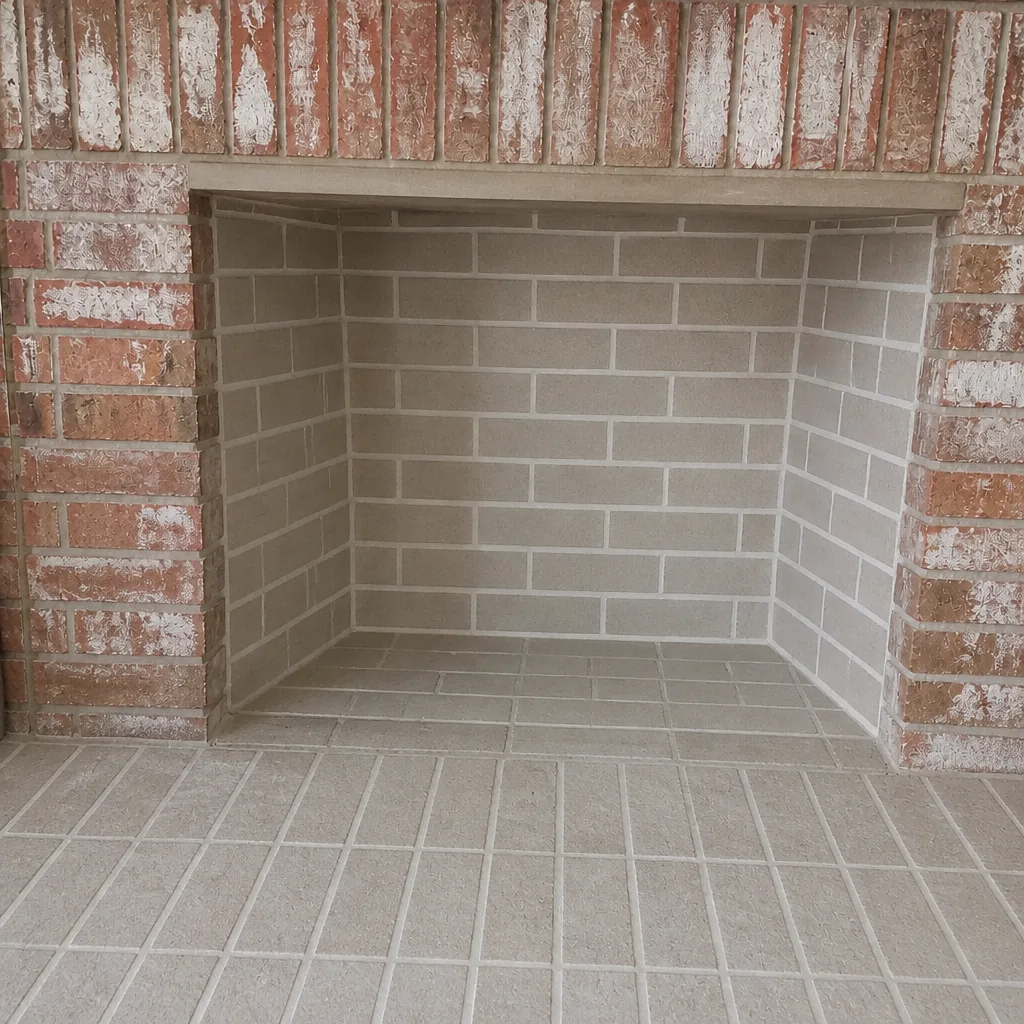
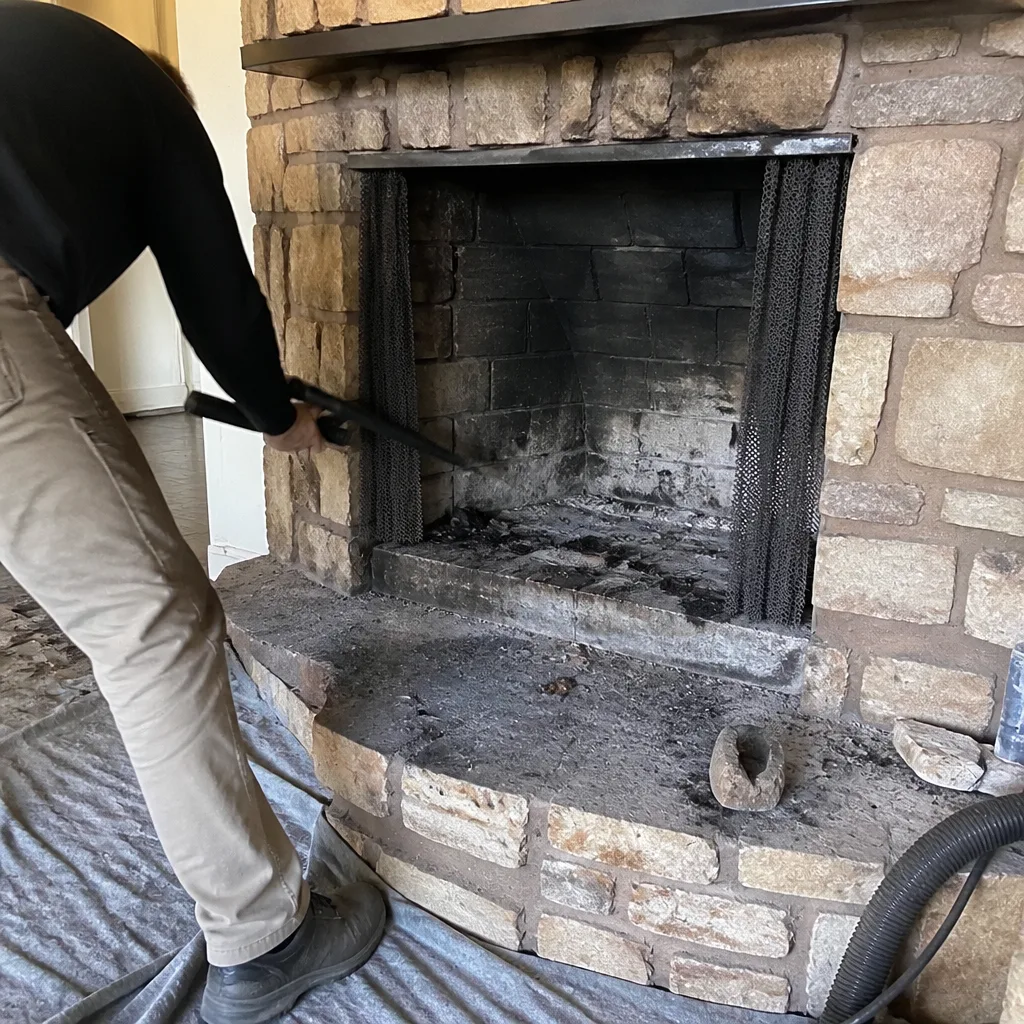
See the difference
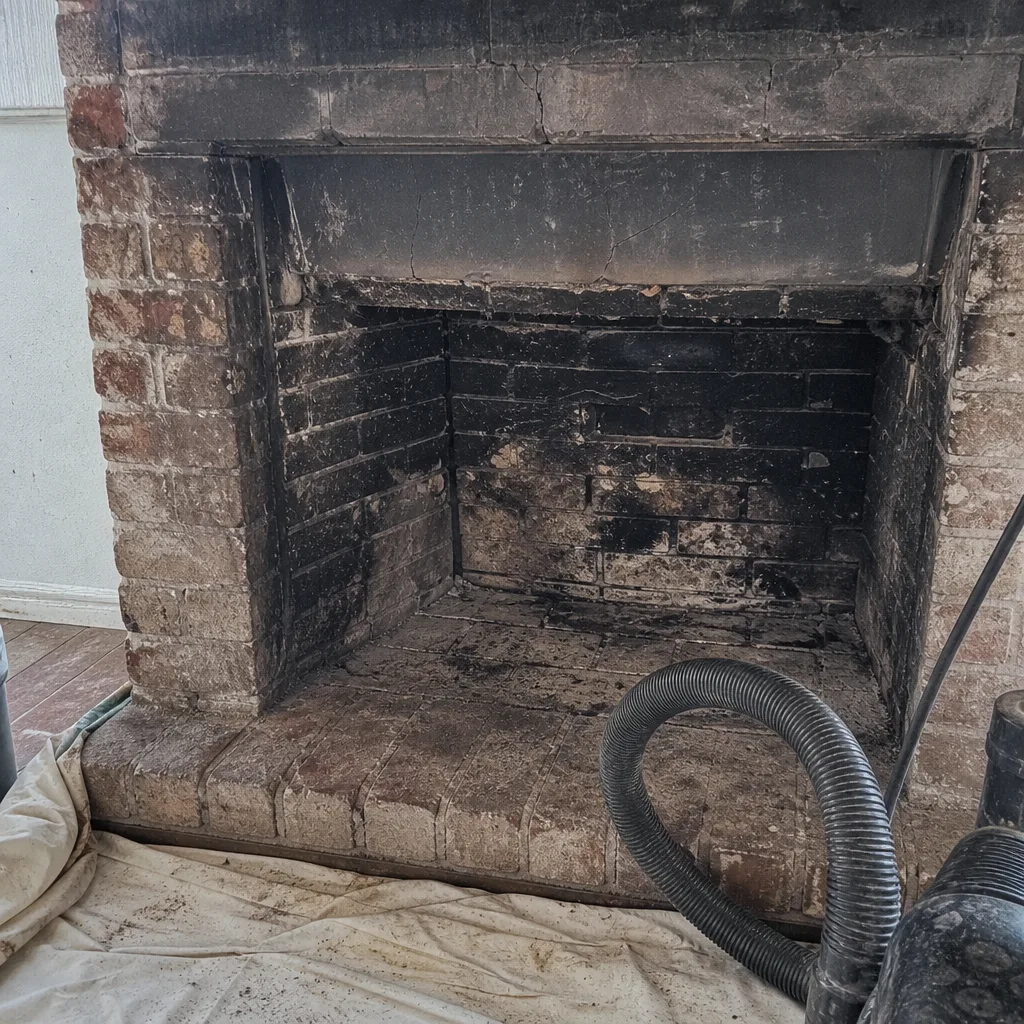 Before
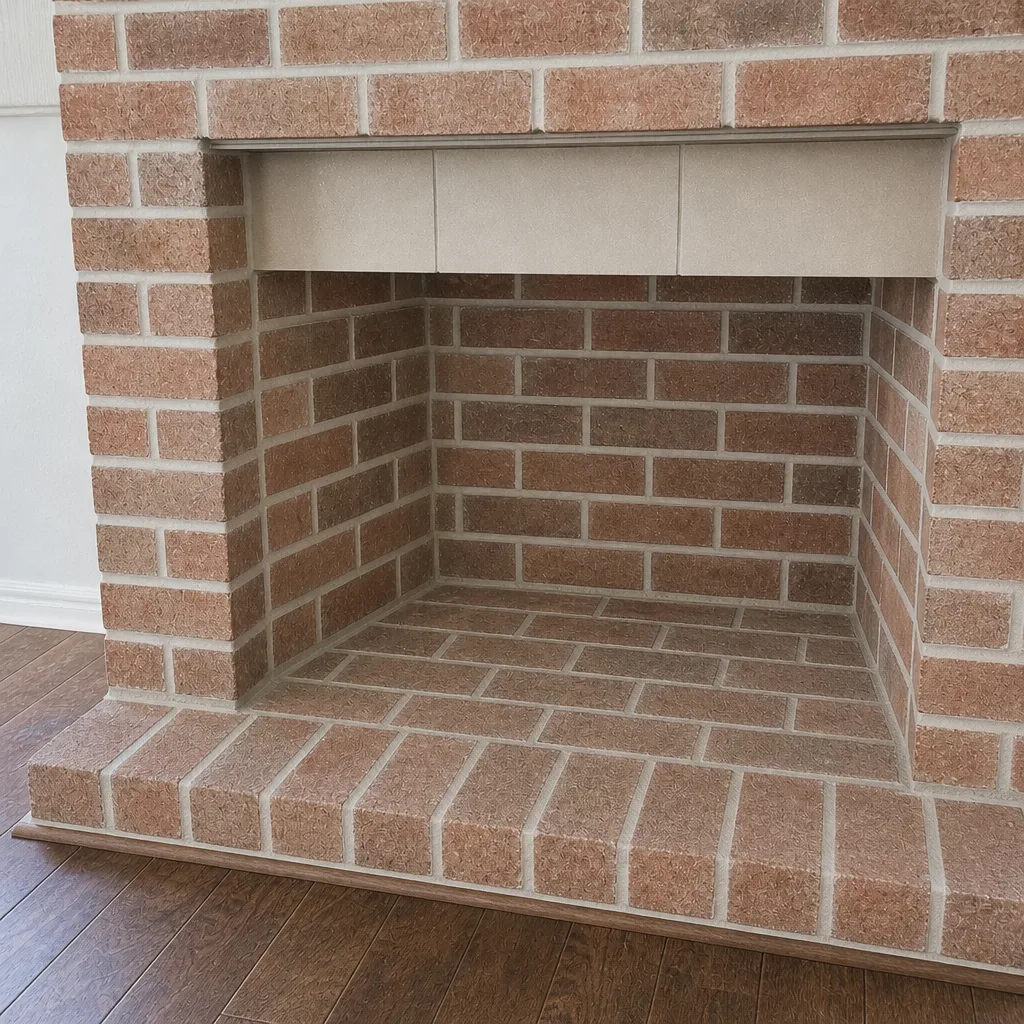 After
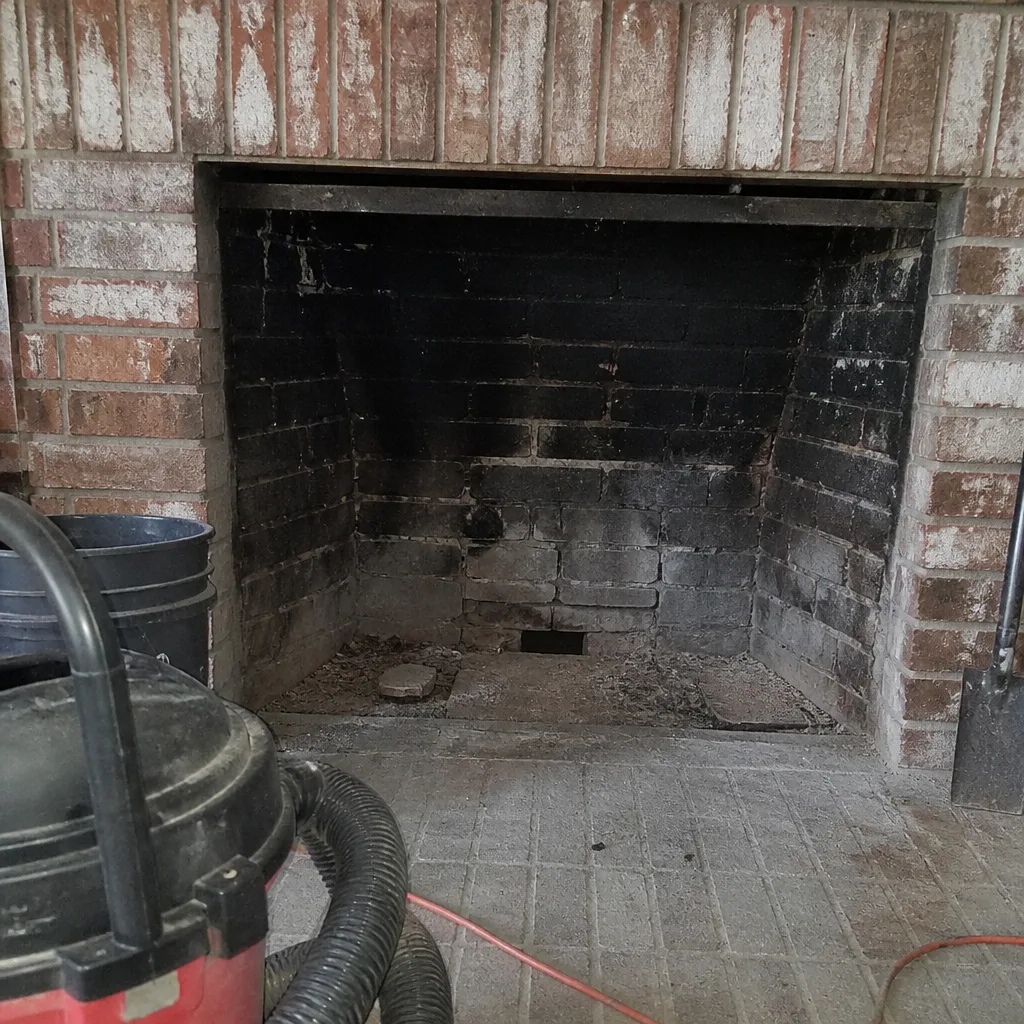 Before
 After
 Before
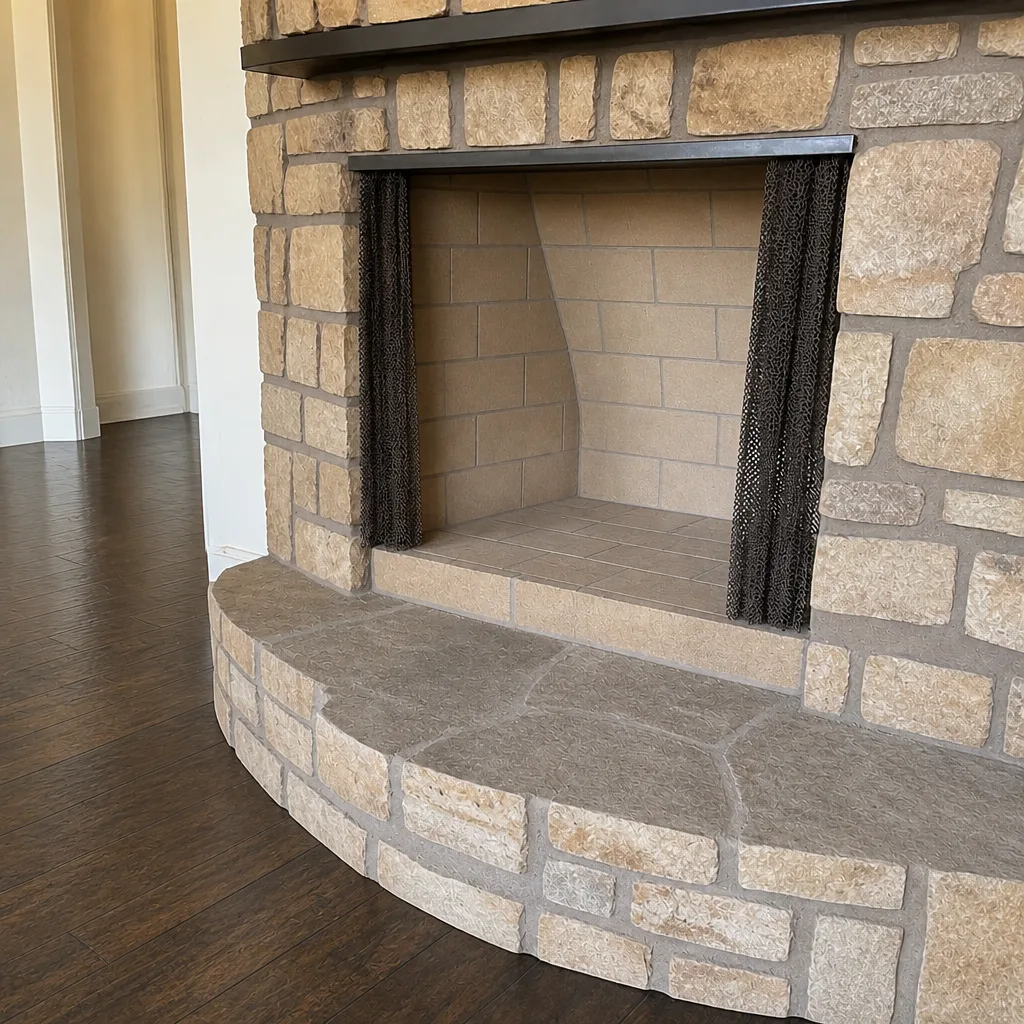 After
When to Call a Professional
If you’ve confirmed a cold flue with the pre-heat routine and the problem persists, that’s a call. If smoke is coming into the room on a well-established fire, that’s a call and it’s urgent. If you smell creosote in summer, if the exterior masonry shows white staining, if the damper won’t open fully, or if you’ve had a chimney fire even a small one – each of those is a call. The dark side of diagnostic guessing is that the two most serious chimney problems, a blocked flue and a glazed creosote deposit, both look like “maybe it’s just the wood.” A camera inspection settles it. Mesquite Chimney Sweep offers free estimates in Mesquite – call (833) 246-4886. We answer 24/7. Fast dispatch from 7am to 7pm, Sunday through Friday. We’ll tell you what we found, what it means, and what fixing it involves, before any work begins.
Frequently Asked Questions
Smoke in the room is almost always one of four causes: a cold flue (smoke on startup only, then draws fine), a blocked flue (smoke on every fire and a lazy burn), a stuck or warped damper (restricted draw), or negative house pressure (smoke appears when another exhaust fan runs). Try pre-heating the flue, cracking a window, and checking for daylight up the flue with a flashlight. If the symptom persists, call (833) 246-4886 for an exact diagnosis – estimates are free.
Because summer creosote odor is the specific sign of glazed third-degree creosote deposits on the flue wall. On hot, humid days the deposits off-gas, and there’s no winter draft to mask the smell. Glazed creosote is the most flammable stage and needs chemical treatment before brushing. It’s not a decoration issue – call (833) 246-4886 to schedule the treatment.
The white staining is efflorescence, and it’s the visible sign that moisture is moving through the masonry. The mineral salts are only carrying to the surface because water has an entry point somewhere above – usually the crown, a mortar joint, a missing cap, or failed flashing. Left alone, it leads to spalling brick and can damage the flue wall. Call (833) 246-4886 to find the source.
Cracking a window is a legitimate field test for negative house pressure, and if it solves the smoke, that confirms the cause. But it’s a workaround, not a fix. If your chimney only draws with a window cracked, the fireplace is competing with your house for air, and the long-term answer is a proper air source or an inspection to confirm the chimney isn’t contributing. Call (833) 246-4886 and we’ll walk through the options – estimates are free.
Chimney fires are often quiet – a rumbling sound, puffs of black smoke at the top of the chimney, or a sudden drop in draft. If the fire gets louder or the flue surface outside becomes very hot, suspect a fire. Any fire, even a small one, means you should stop using the fireplace and schedule an inspection before using it again. Call (833) 246-4886 and we’ll schedule the inspection within the week.
For a simple blockage or a routine clear-out, brushing is enough. For the symptoms in this guide – smoke rollback, summer creosote odor, efflorescence, or any structural concern – a camera inspection tells you what’s actually on the flue wall and whether the liner is intact. It’s the difference between cleaning a problem and fixing it. Call (833) 246-4886 for a free estimate.
The Bottom Line
Chimney problems in Mesquite are diagnosable. Smoke rollback is cold flue, blocked flue, damper failure, or negative pressure – each with its own fix and its own field test. Summer creosote odor is a sign of glazed third-degree deposits that need chemical treatment before brushing. White staining on the exterior is moisture getting into the masonry and predicting flue damage if ignored. Thermal stack reversal is specific to this region’s swing between 28°F nights and 95°F days, and it’s a startup problem, not a structural one. Read the symptom, match it to the cause, and you’ll know within a few minutes whether to monitor, stop the fire, or call. Call (833) 246-4886 and we’ll confirm the diagnosis with a camera and a written estimate. We answer 24/7. Fast dispatch from 7am to 7pm, Sunday through Friday. For a closer look at what a routine visit involves, see Mesquite Chimney Sweep.
Written by the team at Mesquite Chimney Sweep.