
Last updated November 16, 2026
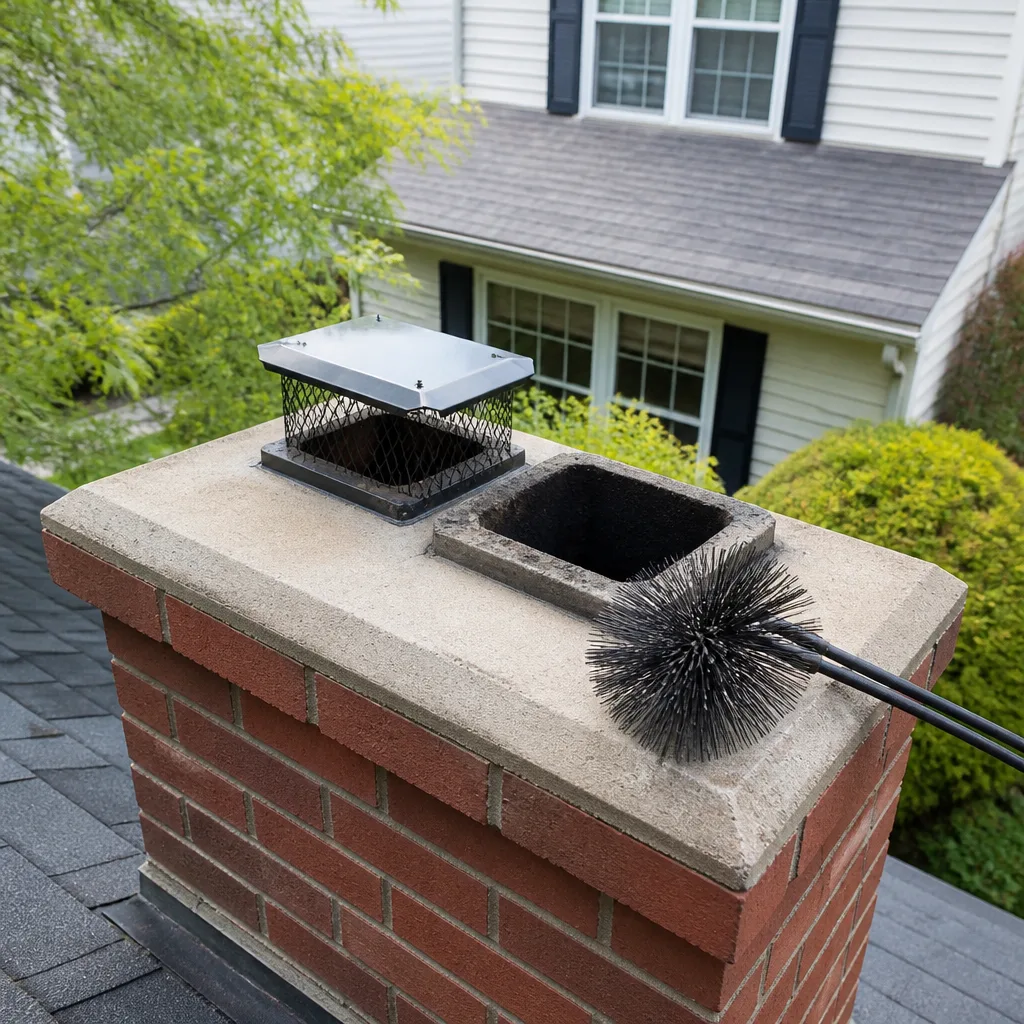 Sweep & inspection
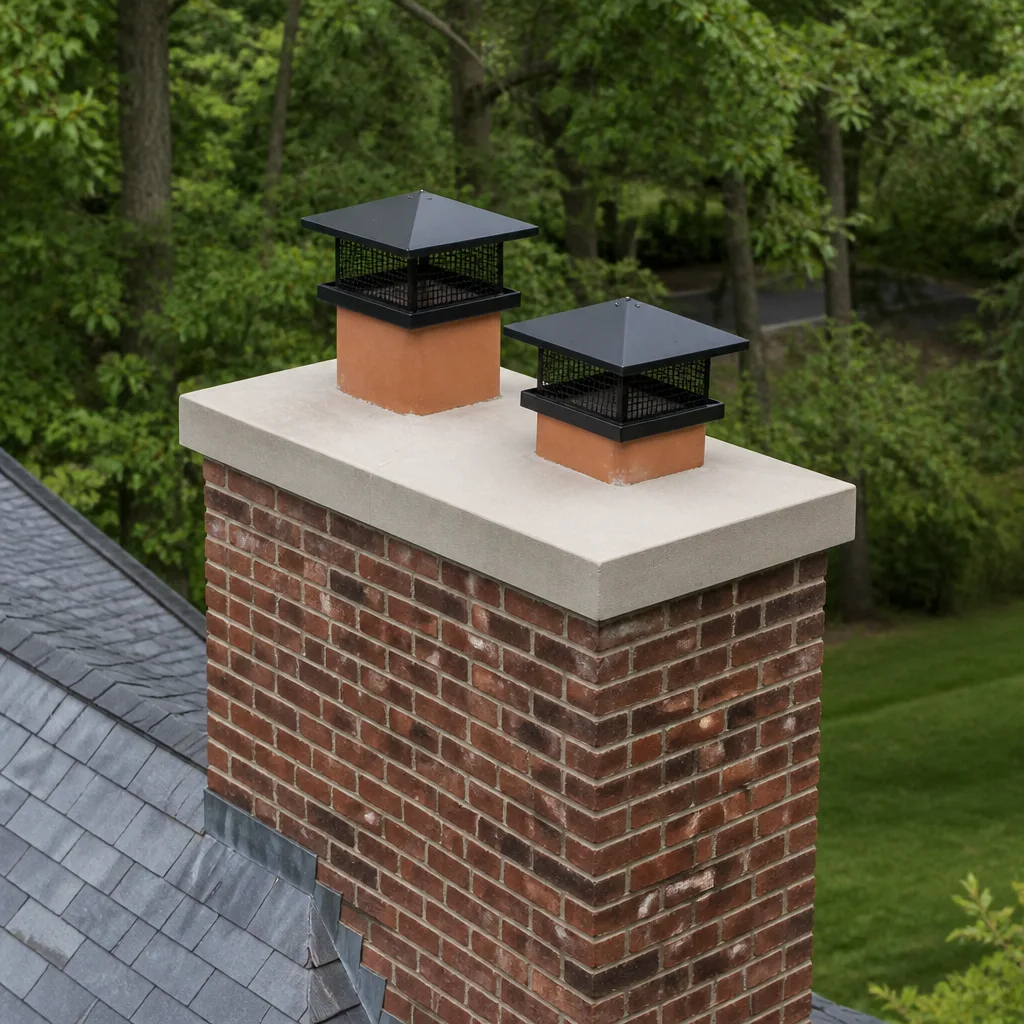 Caps & crowns
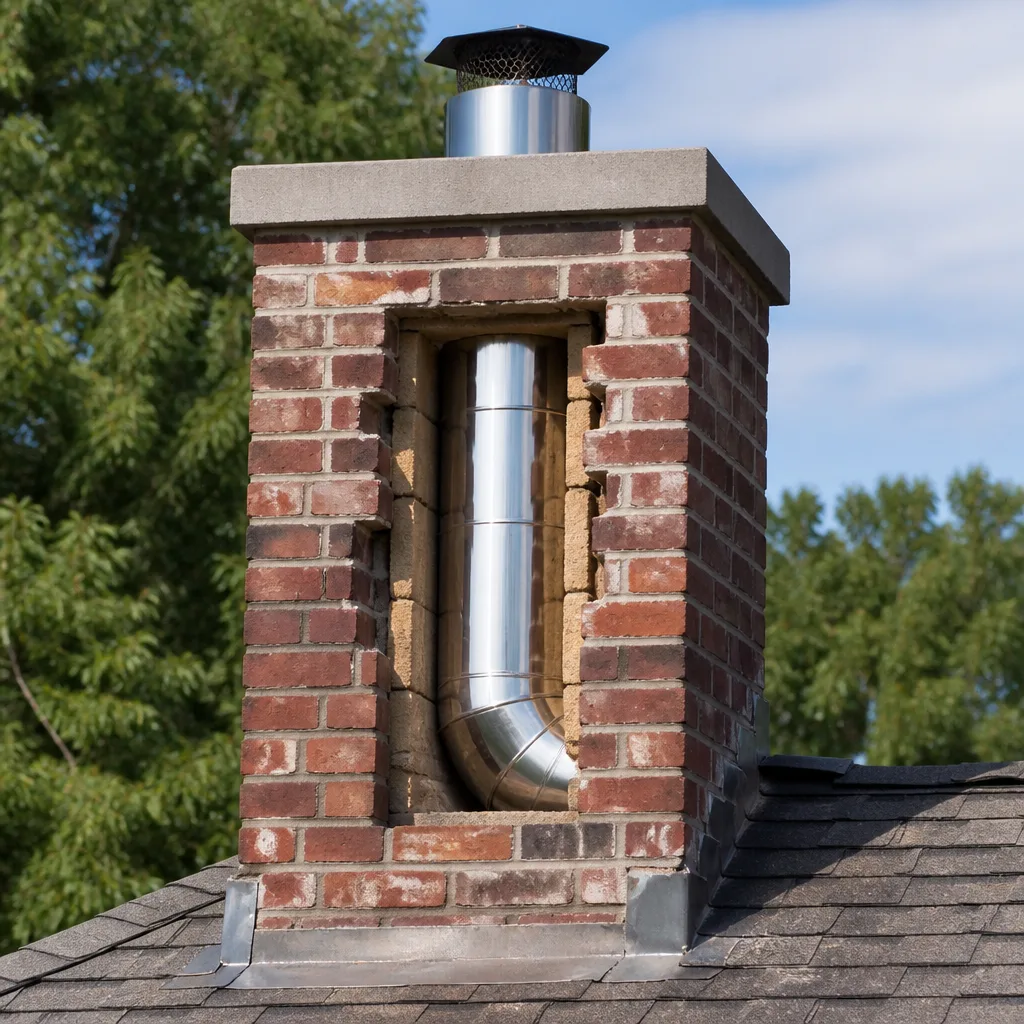 Flue relining
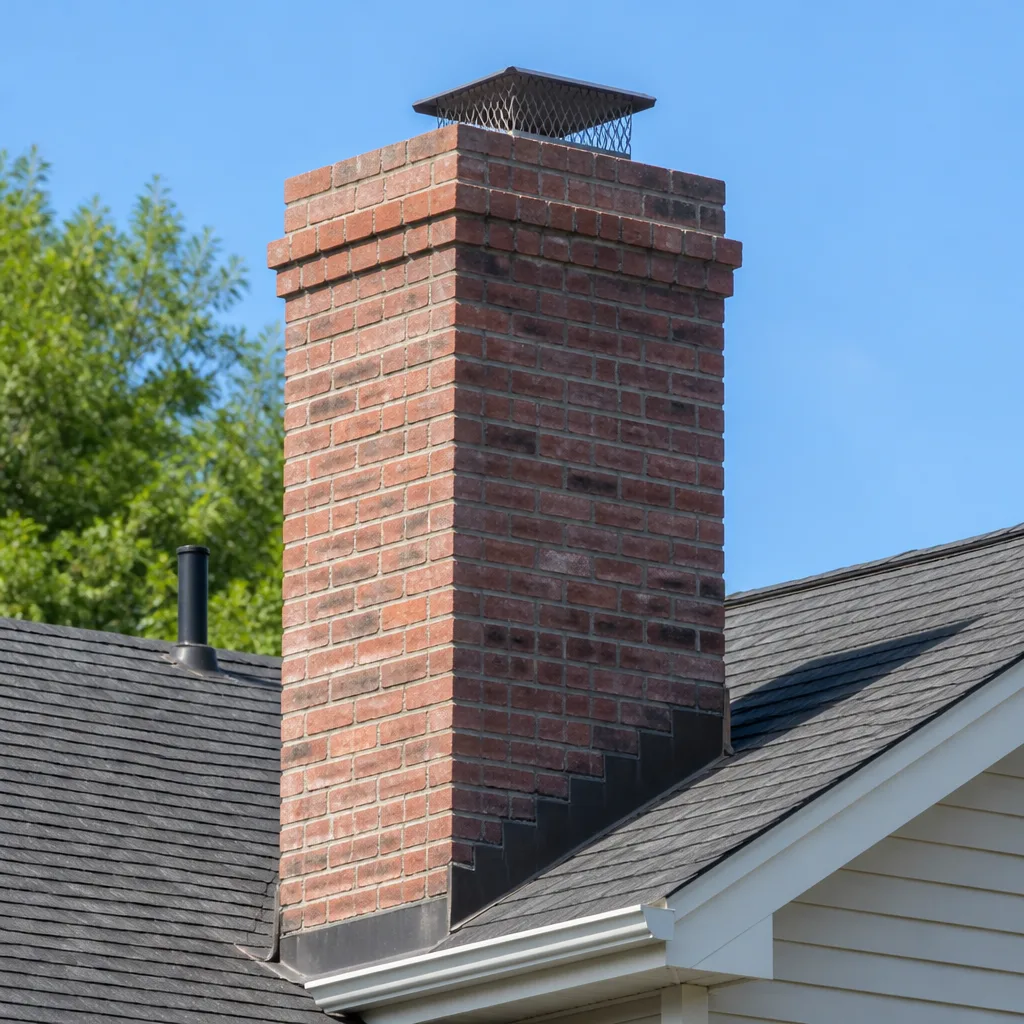 Masonry repair
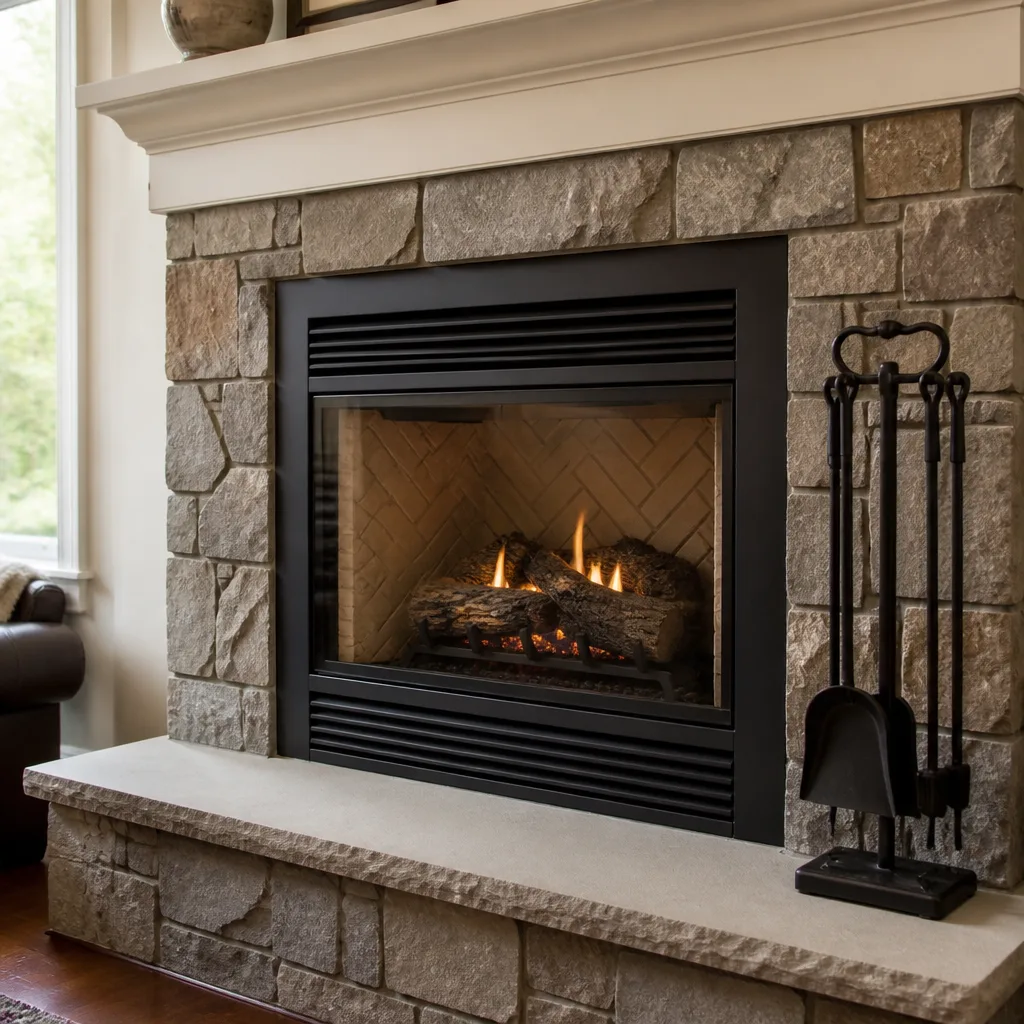 Gas fireplace service
Level 1 sweep and inspection to the NFPA 211 annual standard - flue, crown, cap, and flashing checked and photographed
Chimney sweep logs do not sweep chimneys. They loosen some creosote - which then falls where a brush and vacuum still have to collect it.
Choosing the Right Chimney Cleaning Brand: A Buyer’s Guide for Mesquite
Two chimney companies can hand you quotes for the same repair, describe it in the same words, and use products that look identical on the invoice. One holds up for years. The other starts failing after a couple of heating seasons. The homeowner has no way to tell the difference unless they know which product questions to ask. That’s the gap this guide fills. “Brand” in chimney work isn’t really about the name on a website or a logo on a shirt. It’s about the liner systems, the resurfacing compounds, the sealants, and the crowns that actually go onto your chimney. In Mesquite, where cottonwood around the Trinity River bottoms and long, dry summers both play a role in how a flue ages, the materials matter as much as the labor. By the end, you’ll know exactly what to ask before you book a sweep or approve a repair.
Quick Answer
The best chimney cleaning company in Mesquite is the one that uses professional-grade repair materials and can handle the sweep, the inspection, and the repair with one accountable team. Ask which liner system they’d use for your flue, whether they use ceramic flue resurfacing like HeatShield for restoration, and whether they scan with video before recommending work. A company that can name its materials and explain why it chose them is a company you can trust with what’s behind the firebox.
Styles & brands we work with
- Sweep & inspection
- Caps & crowns
- Flue relining
- Masonry repair
- Gas fireplace service
Table of Contents
- Why the Brand That Matters Is the Brand of Materials
- Professional-Grade Products vs. Generic Masonry Compounds
- Liner Systems: Cast-in-Place, Stainless Insert, and When Each Fits
- What Equipment Signals a Professional Operation
- Why One Team for Sweep, Inspection, and Repair Wins
- Product Questions That Separate Real Chimney Specialists from Generalists
- How to Evaluate a Quote Against Certified Restoration Standards
- Local Context: What Mesquite Chimneys Face
Why the Brand That Matters Is the Brand of Materials
Most homeowners shop for chimney service the same way they shop for a plumber: they compare company names, read a few reviews, and pick the one that answers the phone. That approach works when the job is replacing a wax ring. It falls apart when the job involves rebuilding a flue, repairing a crown, or relining a chimney for a wood-burning fireplace that gets used all winter.
Here’s the difference. A sweep who shows up with a rod and brush and a sack of generic mortar from a big-box store can sweep your chimney and patch the firebox just fine. What they may not be able to do is specify a flue repair that holds up to the corrosive byproducts of wood smoke for years to come. The products they use might be chemically fine for a patio wall but no match for what a flue interior sees.
In our work across Mesquite, we’ve seen the consequence of that gap. A firebox patch that looked neat at the time crumbles within two or three seasons. A crown that was sealed with the wrong compound cracks and lets water into the chimney chase. None of this was a labor problem. It was a materials problem, and it was avoidable.
That’s why we name the brands we use. DuraFlex, HeatShield, Gelco, Copperfield, Olympia Chimney, Famco. Each of those names reflects a specific category of product: flexible stainless liners, ceramic flue restoration systems, exterior chimney components, caps, venting, and related structural materials. Naming them tells a homeowner which category of work we’re trained and equipped to do. It’s not a list to impress you. It’s a signal about capability.
If a company can’t tell you the brand of liner they’d use to reline your flue, or the brand of compound they’d use to restore a firebox, that’s a question left unanswered. And a question left unanswered is a risk you’re carrying.
Professional-Grade Products vs. Generic Masonry Compounds
The single most important distinction in chimney repair is between professional-grade products formulated specifically for chimney environments and generic masonry or refractory products that are acceptable in some settings but not in a flue or firebox. Both categories exist in the market. One has a service life that matches what the homeowner is paying for. The other might not.
Professional-grade chimney repair products are engineered for the specific conditions inside a chimney: high heat, acidic condensate from wood smoke, moisture cycling on exterior surfaces, and the physical expansion and contraction that comes with repeated heating and cooling. Materials designed for those conditions are different at the molecular level from a general-purpose masonry mix.
Systems worth asking about include:
- HeatShield – a ceramic flue restoration system applied to the interior of the chimney to seal cracks and rebuild a smooth, insulating surface. This is a restoration-grade solution, not a patch.
- ChimneySaver – a water-repellent treatment applied to brick exteriors to stop moisture infiltration without trapping vapor inside the masonry.
- Fireguard – a refractory-grade compound for firebox and interior masonry restoration where direct flame contact is possible.
A certified restoration contractor would use products from these categories. A generalist handyman likely uses whatever is on the shelf. There’s a place for both, but the homeowner needs to know which one they’re buying. When we quote a flue restoration, we specify which product we’d use and what it’s designed to fix. That’s a distinction you can verify, and it’s what “professional-grade” actually means. Knowing what your chimney repair includes at the material level is worth asking about before you sign anything.
Liner Systems: Cast-in-Place, Stainless Insert, and When Each Fits
If your chimney needs relining, the liner system chosen matters more than almost any other decision you’ll make. There are three main approaches and they serve different situations. A company that recommends one without looking inside the flue doesn’t know which one is right for you.
- Cast-in-place liner. A cementitious or ceramic compound is applied to the inside of the flue to create a new smooth, insulating surface. Best when the original clay tile is intact enough to support the new layer, or when the flue shape is irregular. This is often the least invasive option for restoration.
- Stainless steel flexible insert. A flexible pipe is run down the chimney to carry exhaust out. This is often the choice when the flue is deteriorated beyond what a cast-in-place liner can address, when a new appliance requires a specific flue size, or when the chimney has been structurally compromised.
- Hybrid approaches. Some projects combine a cast-in-place restoration for part of the flue with a stainless insert for the upper section or vice versa. This is where a company’s product experience across multiple brands pays off, because you need to know how those systems interact.
DuraFlex is a flexible stainless liner system, and having it in the toolkit signals capability for full relining, not just surface cleaning. HeatShield is the ceramic flue restoration system used when cast-in-place restoration is the right answer. The point isn’t to lean on one over the other. It’s to know when each is appropriate, and to tell the homeowner plainly.
During a video scan, we’re looking at the condition of the clay tiles, the integrity of the mortar joints, the presence of offset or damage, and the flue dimensions. That scan is what determines the recommendation. A liner quoted without a scan is a liner quoted without evidence. In Mesquite, where clay-tile chimneys from the mid-20th century are common, this is a decision point most homeowners will face at some stage.
What Equipment Signals a Professional Operation
You can tell a lot about a chimney company by what equipment shows up at the door. Not because expensive tools guarantee quality, but because certain tools are the only way to do specific jobs safely and correctly. Their presence is a proxy for professionalism.
Here’s what to look for:
- Rotary cleaning systems. A spinning whip or chain system driven by a power drill, used for tougher creosote. Basic rod-and-brush is fine for light soot. A rotary system tells you the company can handle glazed creosote and better built-up deposits.
- Video scanning equipment. A camera run down the flue to see the interior. Without this, the company is guessing about the condition of the liner. Any repair recommendation should be backed by video evidence the homeowner can see.
- Containment systems. Drop cloths, negative-air setups, and sealed work areas. A sweep who shows up with nothing more than a brush and a shop-vac is likely to leave soot dust on your floors and in your HVAC filter.
- Proper brushes matched to flue composition. Different brushes are safer for different flue materials. A stiff brush on a soft clay tile can do damage.
- Moisture meters and inspection tools. To diagnose leaks and moisture problems in the chimney chase and masonry.
A chimney sweep operation worth calling has all of these. That’s not marketing. It’s the minimum standard for safe, effective work. When you call a company and ask how they’ll clean your chimney, listen for these terms. If the answer is vague, the equipment is probably vague too.
We answer 24/7. Fast dispatch, 7am-7pm, Sunday through Friday, closed Saturday. If you have a chimney fire, water intrusion, or a visible structural concern, call (833) 246-4886 before the situation gets worse.
Why One Team for Sweep, Inspection, and Repair Wins
Chimney service is commonly broken into three phases. Sweeping clears the flue of soot and creosote. Inspection assesses the condition of the flue, firebox, and exterior. Repair fixes whatever the inspection turned up. Done by three different vendors, each phase has its own timeline, its own follow-up, and occasionally its own interpretation of what’s wrong.
When one company handles all three, the following happens:
- The inspector and the repairer are the same people. No handoff, no re-explaining, no missed detail between the person who found the problem and the person who fixes it.
- Accountability is single-source. If a repair fails, there’s one party to call. That matters far more than the fee difference a subcontracted quote might have shown.
- Inspection findings get addressed in order of real priority. A company that has to subcontract out repair work has less incentive to be candid about what’s minor versus urgent. A company that does both can say, “This can safely wait until next season; this one can’t.”
- Documentation stays with the job. Camera inspections, photos of the firebox before and after, notes on the flue condition, and warranty records all stay in one file from one provider.
- The customer isn’t handed off mid-problem. Every chimney problem has a moment where the homeowner needs someone to say, “Here’s what we found, here’s what it means, here’s what fixing it involves.” Splitting that across multiple vendors weakens the conversation.
One call covers the sweep, the inspection, and the repair. It doesn’t guarantee a better outcome every single time, but it removes the failure mode that trips up more Mesquite homeowners than any other: confusion about who to call next. When the sweep and the repairer are the same team, that confusion goes away. You can read more about what we cover on the Mesquite Chimney Sweep main page.
Product Questions That Separate Real Chimney Specialists from Generalists
Any company can quote a repair. The product questions you ask during the quote process reveal whether they actually know what they’re doing. Here are the ones that matter most, and what a good answer sounds like.
“What brand and type of liner would you use if my flue needs relining?” Good answer: a specific product category (cast-in-place ceramic, flexible stainless), a specific brand (DuraFlex, HeatShield, or similar), and a reason tied to the condition of your particular flue. Bad answer: “Whatever’s standard.”
“Do you use HeatShield or another ceramic flue restoration system?” Good answer: yes, and here’s when it applies versus when it doesn’t. Bad answer: “We use a mortar mix.”
“What sealant do you use on the firebox and crown?” Good answer: a product designed for chimney environments, with a name and a reason. Bad answer: “Standard masonry sealant.” Generic sealants sometimes work, but a professional knows the difference and can explain it.
“Do you scan the flue with a camera before recommending repair work?” Good answer: yes, and either they show you the video or they offer to. Bad answer: “We can usually tell by looking.”
“What containment do you use to keep soot out of the house?” Good answer: negative air, drop cloths, and shoes-off protocols. Bad answer: silence.
“Who actually does the repair work?” Good answer: our team, and they’re trained on the specific systems involved. Bad answer: “We’ll bring someone in.”
The pattern here is simple: a company worth hiring names materials, names equipment, and answers the “why” behind each choice. Copperfield, Gelco, and Olympia Chimney are brands a company can name because they’ve worked with caps, exterior components, and venting systems enough to know them. When a company can’t tell you which brand of cap, sealant, or liner it uses, the honest read is that the question isn’t part of how they work. That’s the company to keep looking past.
How to Evaluate a Quote Against Certified Restoration Standards
A chimney quote should read like a small specification, not a line item scribble. If it doesn’t name materials, quantities, and methods, you can’t compare it meaningfully to another quote, and you can’t tell whether the company would deliver what a certified restoration contractor would.
Here’s what a professional-grade repair quote includes:
- Scope. Exactly what will be repaired or replaced, described precisely. “Firebox south wall, 18 inches of refractory brick, plus tuck-point at 3 joints” is a scope. “Firebox repair” is not.
- Materials by brand and product name. This is where HeatShield, DuraFlex, or Gelco should appear if the job calls for them. A quote that names the product is far easier to trust than one that names only the labor.
- Method. How the work will be done. Cast-in-place versus insert, for example. Sealant applied to what, and why.
- Photos or video evidence. Especially for any work recommended after an inspection. Ask to see the scan.
- Timeline. What’s the schedule for the work, and does it depend on weather, drying time for mortar, or follow-up inspections?
- A “wait” option. Any repair that can safely wait should be flagged as such. A quote that lists everything as urgent isn’t giving you honest priority information.
In Mesquite, repair quotes may include exterior work tied to the chimney chase, crown repairs, cap replacement, and waterproofing. Copperfield and Olympia Chimney products cover a lot of that category. If a quote comes in light on those items when the scan showed exterior wear, that’s worth asking about.
The final price is set by the written estimate. Nothing we say on the phone should be the last word on cost. If a company gives you a hard number over the phone and won’t put it in writing, that’s a flag. The written estimate is the honest foundation for comparing quotes, and it’s the one you should hold the company to. You can read more about Mesquite and the surrounding area if you’re new to the neighborhood and looking for a starting point.
Local Context: What Mesquite Chimneys Face
Chimney repair in Mesquite starts with understanding what chimneys here actually go through. That’s not identical to chimney repair in colder climates or wetter regions, and a company that treats Mesquite like it’s anywhere else will miss things.
Three local factors matter most.
The dry heating season. Winters in North Texas are short and mild compared to northern markets. That’s good news for chimneys in some ways – less sustained cold weather means less freeze expansion on masonry. It’s not good news in others. Summer heat stresses masonry through expansion, and the humidity swings in the spring and fall can open hairline cracks that then take in water. Water infiltration is the single biggest long-term threat to a Mesquite chimney, and it doesn’t require freezing temperatures to do damage.
The wood being burned. A lot of Mesquite homeowners burn what’s readily available: oak, pecan, and the local mesquite wood for which the area is named. Mesquite burns hot and leaves behind a thicker, harder creosote in some conditions. That’s one reason a professional sweep using rotary cleaning systems pays off here – light brushes don’t always cut through the deposits.
Housing stock and neighborhood chimneys. From older homes in the downtown Mesquite area to the mid-century brick ranches in the neighborhoods around City Lake Park, the flues we see often share a common lineage: clay tile liners installed decades ago, exterior chimney chases that see full sun, and crowns that have had repair compounds applied over the years. A scan tells you whether the tile is intact, whether the crown is doing its job, and whether a cast-in-place restoration or a new liner is the right next step.
If you’ve recently purchased a home in Mesquite and don’t know the history of the chimney, an inspection is a smart first step. Ask for the video scan. If a repair is recommended, ask what product is being proposed and why. If the sweep and the repair work come from the same company with that level of specificity, you’re in good shape.
Common Mistakes to Avoid
- Hiring a generalist handyman for chimney work. Chimney repair is a specialty. A handyman may be skilled at many things, but the flue and firebox are not standard construction. A company that sweeps and does chimneys every day will catch things a generalist misses.
- Accepting a repair quote without a video scan. If the company won’t show you the flue before recommending work, they’re guessing. Ask to see the scan and ask which product they propose and why.
- Assuming “same price” means “same materials.” Two quotes that match dollar for dollar can hide a huge gap in what’s being installed. Ask which brand of liner, sealant, or restoration compound is included before comparing totals.
- Burning unseasoned wood to save a few dollars on fuel. Wet wood creates more creosote and more acidic condensate. In Mesquite’s heating season, that adds up over a few winters. Season the wood and get the flue checked.
- Skipping the sweep because the chimney “seems fine.” Chimneys don’t announce problems. By the time you notice a burning smell or a draft issue, there’s usually something to fix. An annual or semiannual sweep and inspection catches problems early.
- Assuming a previously repaired chimney is fixed. If a prior homeowner applied a compound to a firebox or crown, that repair may not be appropriate for chimney conditions. An inspection will tell you whether it’s holding or failing.
- Hiring three separate vendors for sweep, inspection, and repair. This is the most common way things fall through the cracks in Mesquite. One call, one team, one record of what was found and what was done.
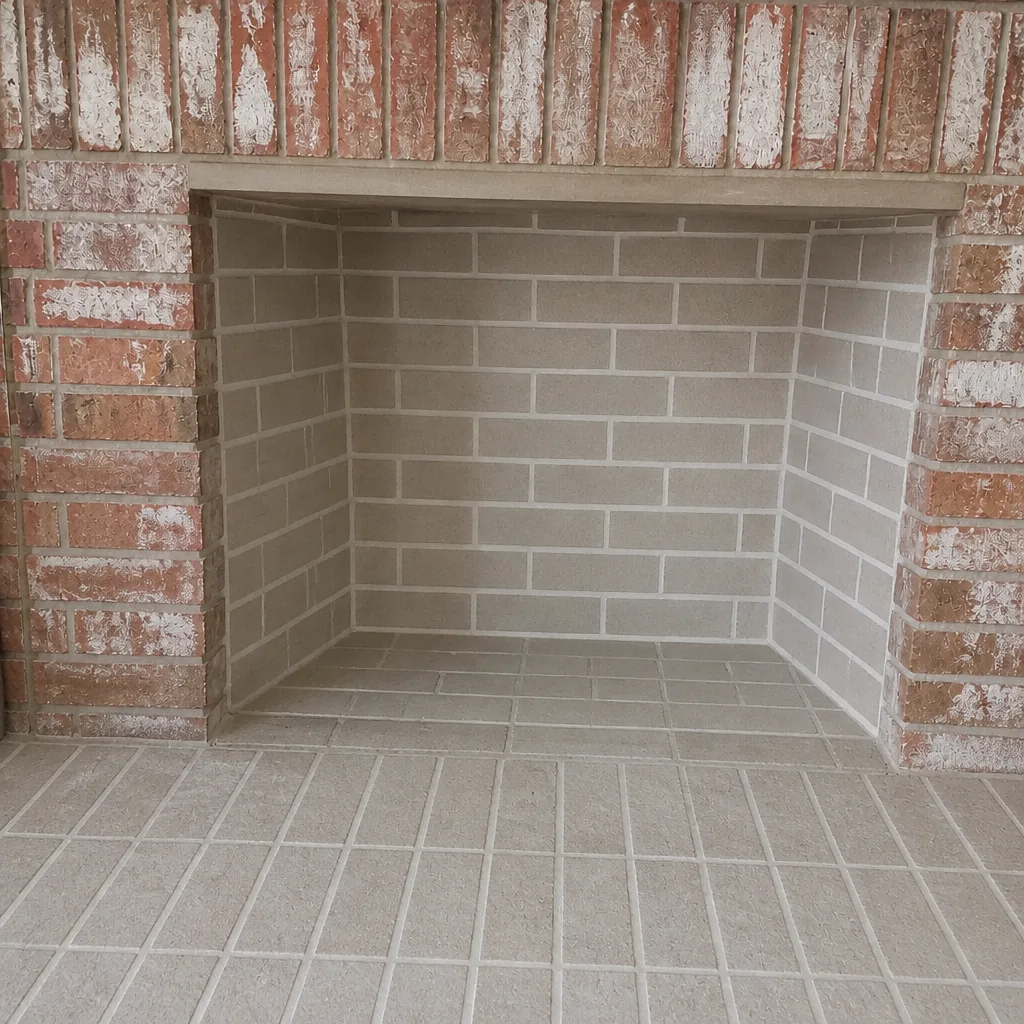
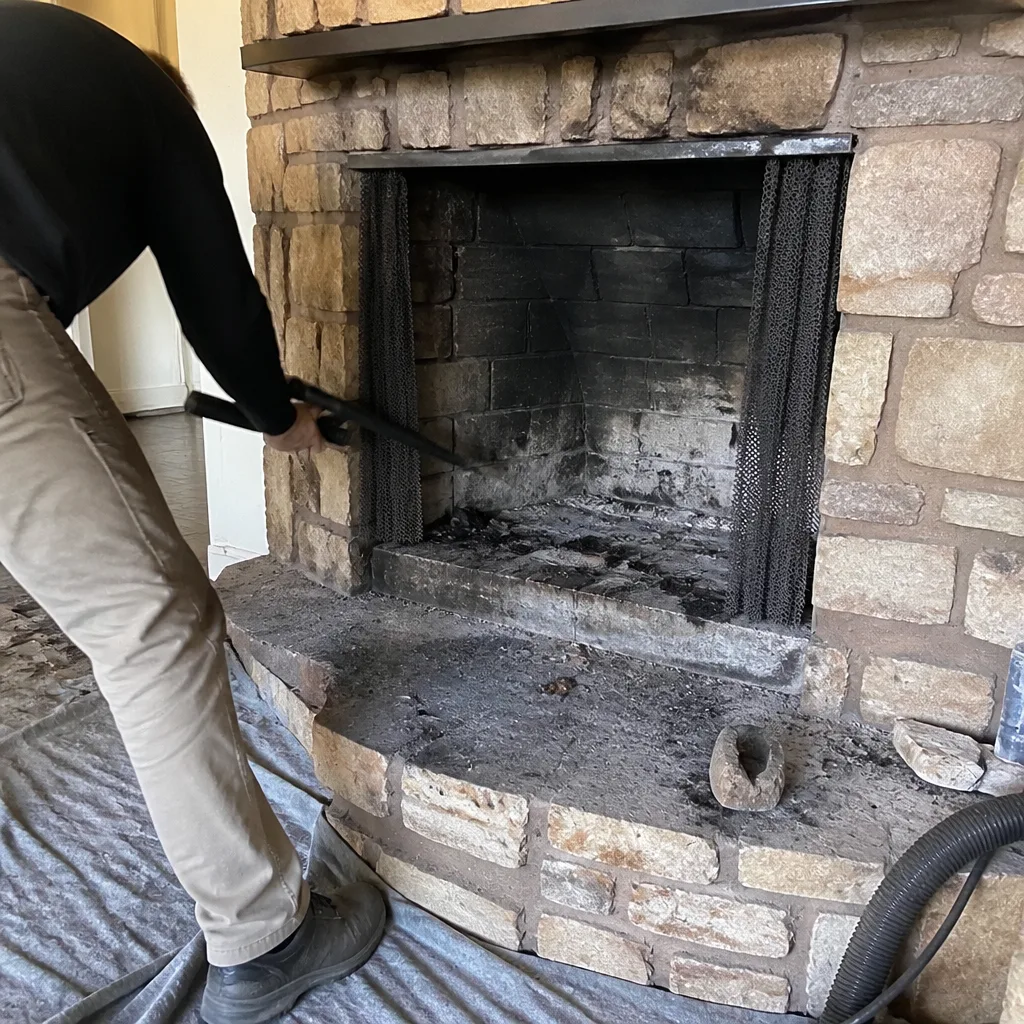
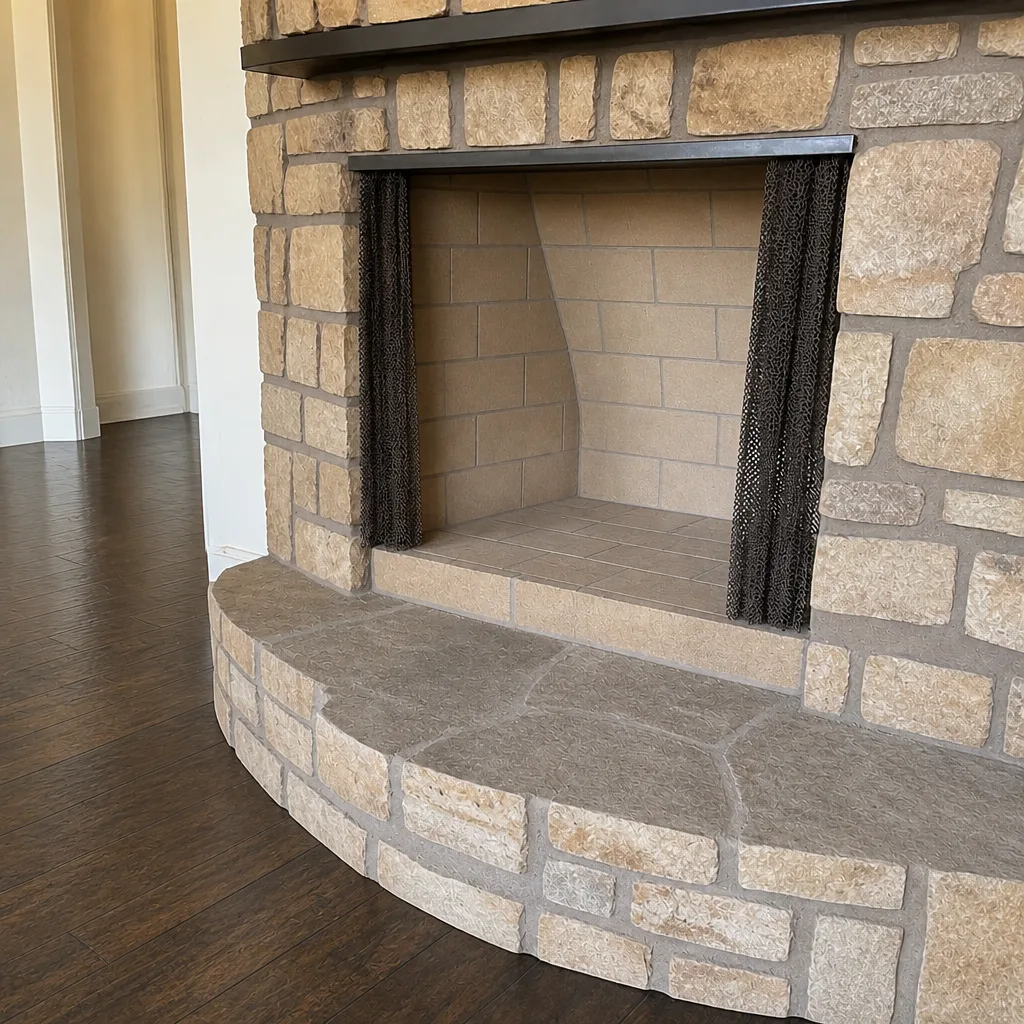
See the difference
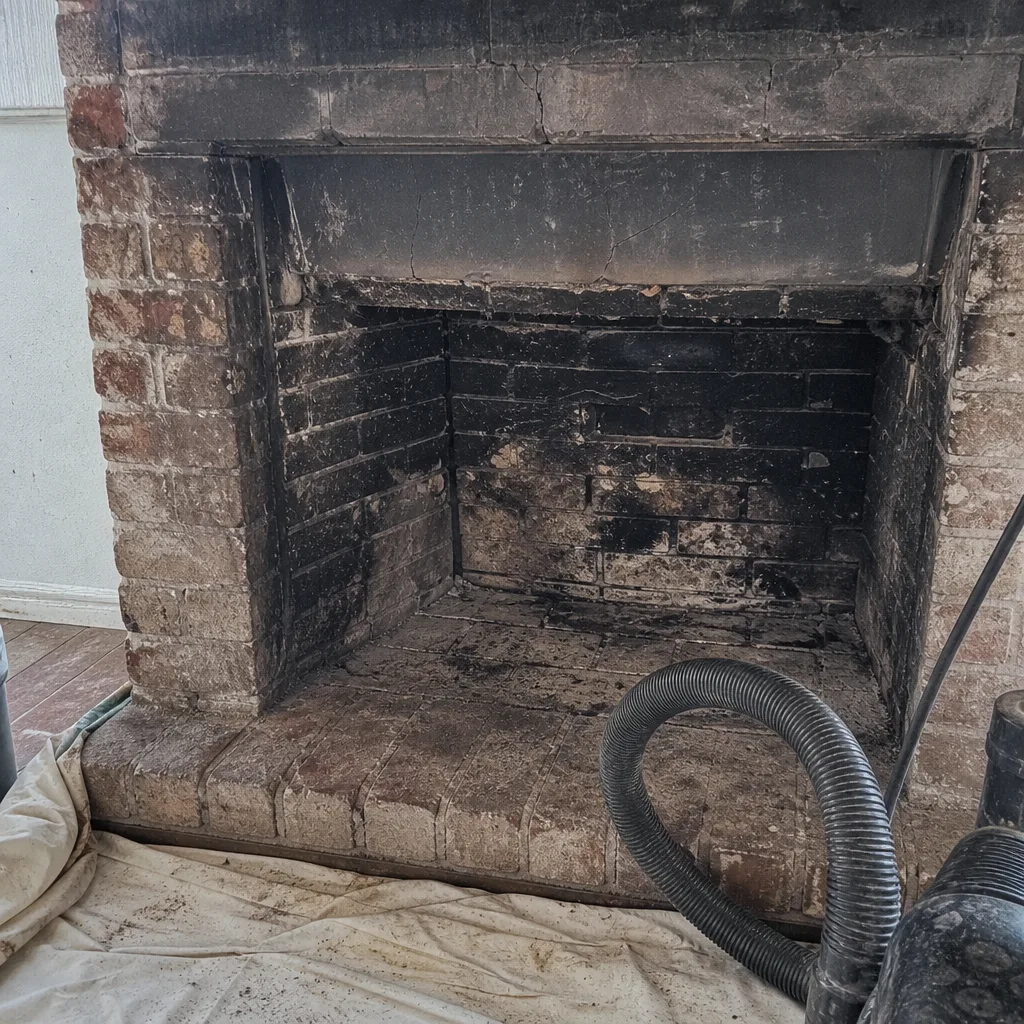 Before
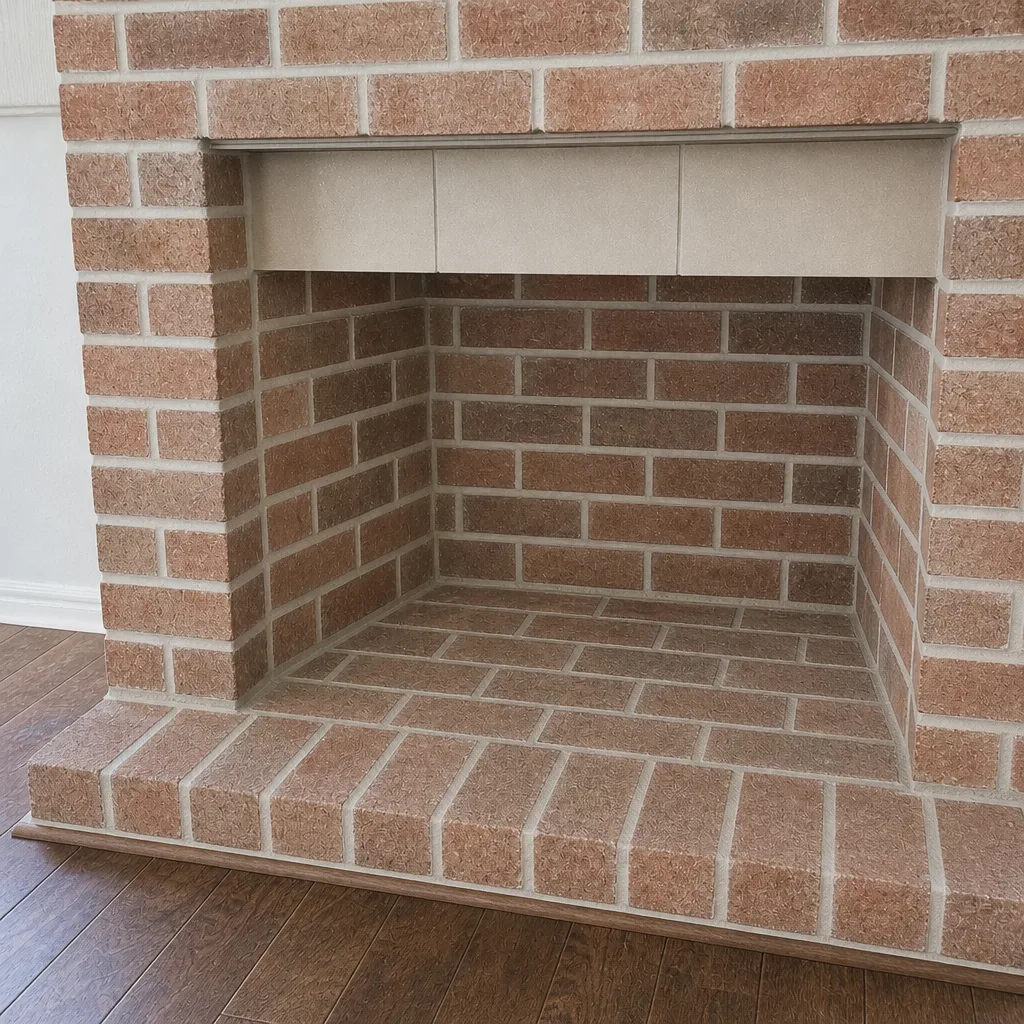 After
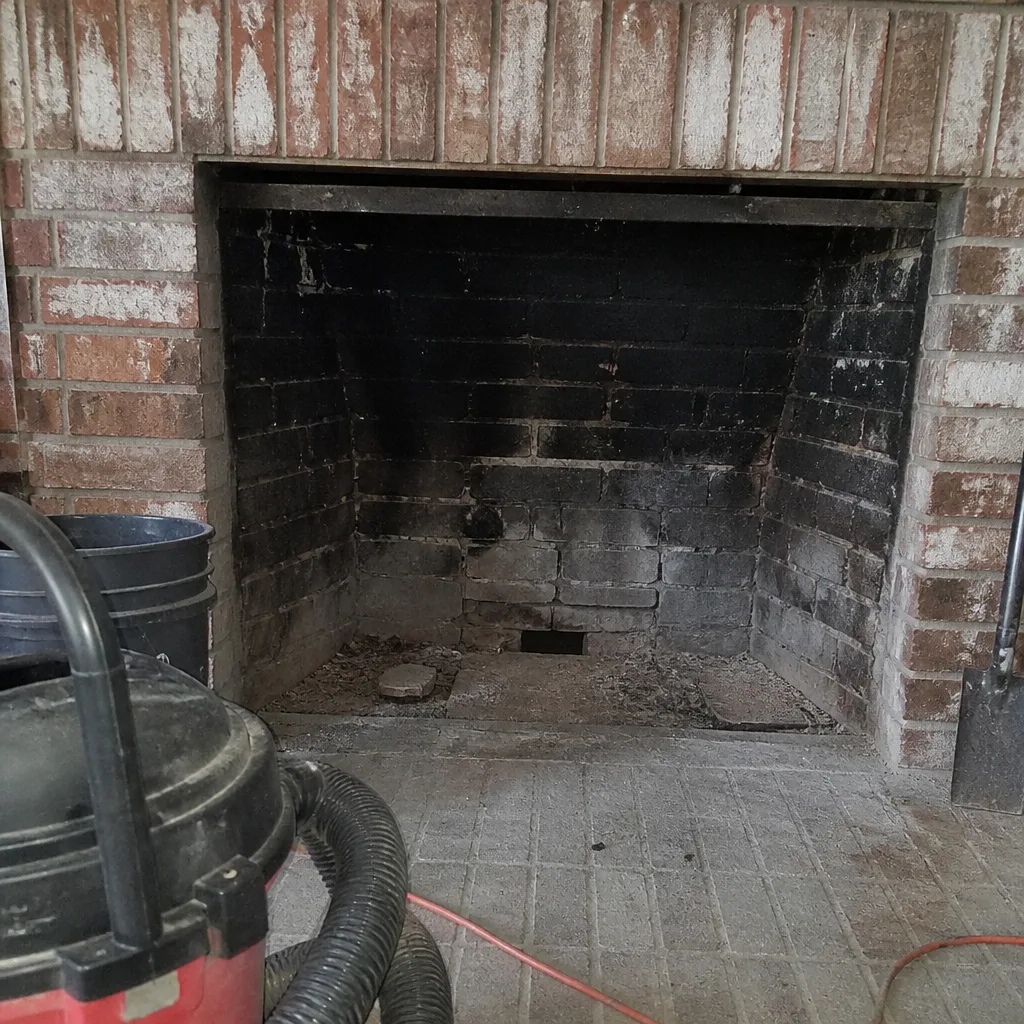 Before
 After
 Before
 After
When to Call a Professional
Chimneys don’t send invoices for neglect. They just fail quietly until something happens, and the something is usually either a chimney fire, a carbon monoxide issue, or a water problem that’s been working on the masonry for a few seasons. The signs you should call a professional are straightforward. A strong burning smell with the fireplace closed. A draft that pulls the wrong way. Water stains on the ceiling or chimney chase. A visible crack in the firebox. A chimney that visibly leans or looks compromised at the crown. A home purchase where the chimney history is unknown. Any point more than a season past the last cleaning.
Mesquite Chimney Sweep offers free estimates in Mesquite. Call (833) 246-4886. We answer 24/7. Fast dispatch from 7am to 7pm, Sunday through Friday.
Frequently Asked Questions
Chimney sweeping in Mesquite typically costs the same as it does in surrounding North Texas markets, and the exact number is set by the written estimate for your specific chimney. Sweeping is usually quoted with the inspection included, since the two are done together. Call (833) 246-4886 for an exact quote. Estimates are free.
That depends entirely on what’s inside the flue. If the clay tile is intact and the mortar joints are sound, a ceramic restoration system like HeatShield is often the least invasive fix. If the tile is cracked, missing, or the flue has lost structural integrity, a flexible liner or cast-in-place liner may be the right answer. Ask for the video scan before you decide, and ask to see the evidence yourself. Call (833) 246-4886 to schedule the inspection.
Often enough to keep creosote from building up to a level that could support a chimney fire. For a wood-burning fireplace used regularly through the heating season, an annual sweep and inspection is the standard starting point, and more frequent sweeps are worth considering in some cases if the wood being burned is wet or the appliance is a wood stove. Gas appliances typically need less frequent sweeping but still need an inspection. Call (833) 246-4886 to book yours.
Creosote builds up on the flue walls and, depending on which form it takes, can catch fire. Beyond the fire risk, soot and acidic condensate damage the flue over time, and water can enter through any opening. A chimney that goes several seasons without a sweep is also a chimney whose problems are unknown. The inspection is what tells you whether you’re fine or not, and it’s the cheapest information you’ll get. Call (833) 246-4886 to schedule an inspection.
Look for brands with specific product categories tied to specific repair jobs. HeatShield is one for ceramic flue restoration. DuraFlex is one for stainless flexible liners. Others worth asking about include Gelco and Copperfield for related repair and exterior components. The name matters less than the fact that the company can name it and explain why the product fits your chimney. Call (833) 246-4886 and ask us what we’d use on yours.
One team sees the problem and fixes the problem, which means the inspection findings stay with the job and the accountability doesn’t get split between vendors. It also means the repair recommendation is grounded in the same person’s observation of the flue – not a re-description to a subcontractor. Call (833) 246-4886 to talk through your chimney’s needs with the team that would do the work.
The Bottom Line
Chimney cleaning brand loyalty should be to the products behind the work, not the name on the invoice. Professional-grade restoration systems, flexible liner capability, proper rotary cleaning, video scanning, and one accountable team for every phase of the job. Those are the things that decide whether a repair holds up for years or fails in a couple of seasons. In Mesquite, the dry summers and the local wood being burned make those choices matter. Ask the product questions before you sign. Ask which liner system, ask which restoration compound, ask to see the scan. A company that answers those questions precisely is the company to hire.
Call (833) 246-4886 for a free estimate. We answer 24/7. Fast dispatch from 7am to 7pm, Sunday through Friday, closed Saturday. One call covers the sweep, the inspection, and the repair.
Written by the team at Mesquite Chimney Sweep.