
Last updated November 16, 2026
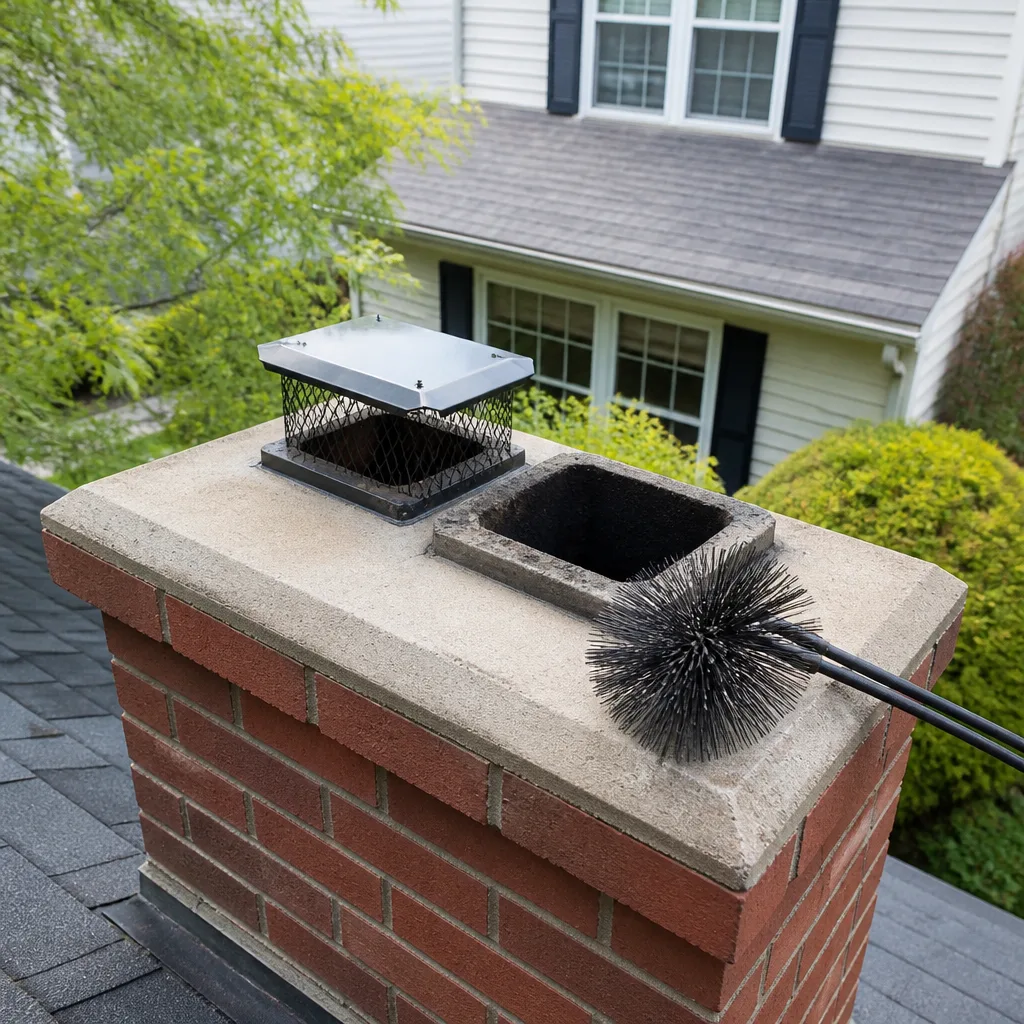 Sweep & inspection
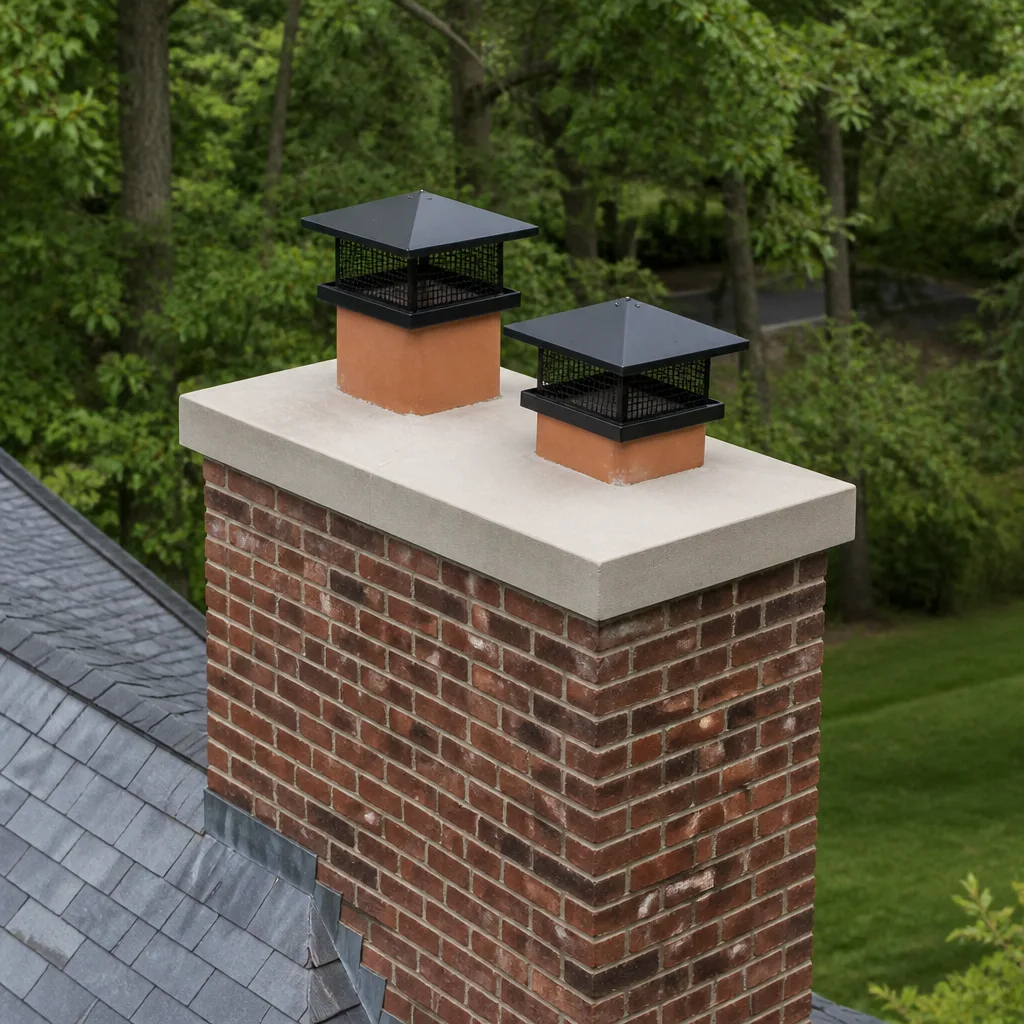 Caps & crowns
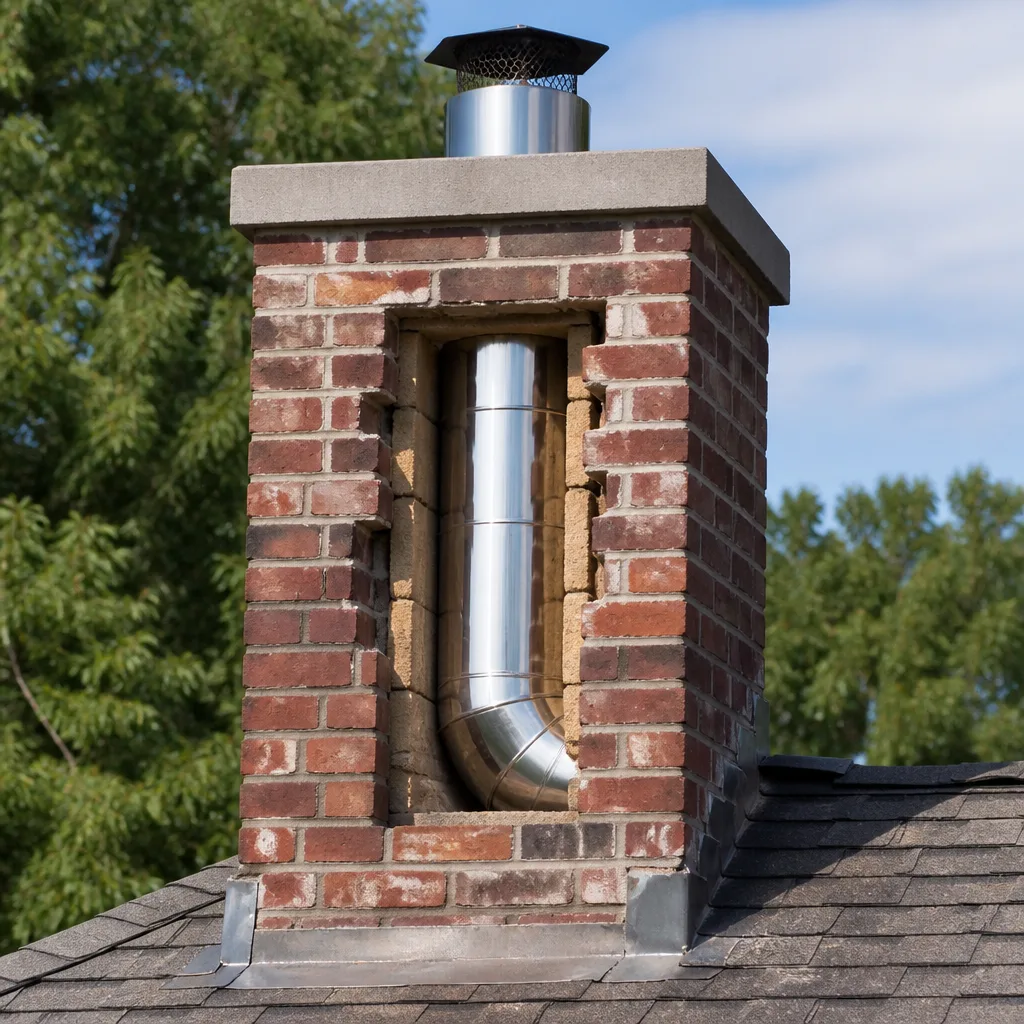 Flue relining
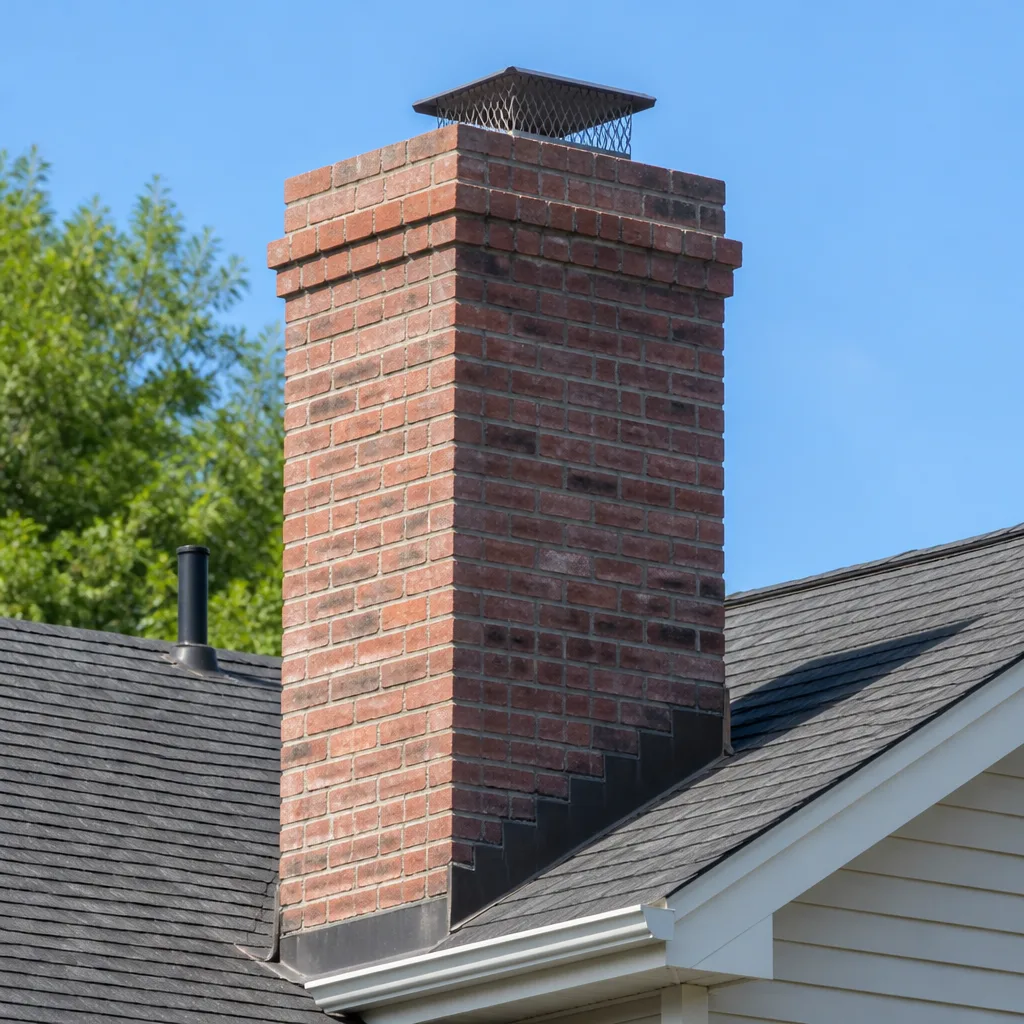 Masonry repair
 Gas fireplace service
Level 1 sweep and inspection to the NFPA 211 annual standard - flue, crown, cap, and flashing checked and photographed
Chimney sweep logs do not sweep chimneys. They loosen some creosote - which then falls where a brush and vacuum still have to collect it.
DIY vs Professional Chimney Cleaning: The Mesquite Homeowner’s Decision Guide
Buying a brush kit and running it through your flue removes loose soot. That part is true. What it doesn’t do is tell you whether your liner is cracked, your cap is damaged, or whether the dark glaze coating your firebox walls is the kind of creosote a brush won’t touch. That gap between “the flue looks cleaner” and “the chimney is safe” is where most DIY cleaning decisions actually get decided, and it’s what this guide is about. We’ll walk through what a brush-only clean genuinely accomplishes, where the equipment gap becomes the real story, when DIY is a reasonable interim step, and how to get a defensible record of your chimney’s condition no matter who did the sweeping. Mesquite homeowners have specific reasons to care about all of this, and we’ll get to those.
Quick Answer
DIY chimney brushing is physically possible for most homeowners and can remove light soot and ash from an accessible flue. But a brush-only clean does not inspect the liner, the cap, the crown, or the smoke chamber, and it does not remove glazed stage 3 creosote. For an unlined or damaged flue, or for any chimney that hasn’t been professionally inspected, DIY cleaning creates false confidence rather than real safety assurance. A professional chimney sweep pairs the cleaning with an inspection and a documented record of what was found.
Styles & brands we work with
- Sweep & inspection
- Caps & crowns
- Flue relining
- Masonry repair
- Gas fireplace service
Table of Contents
- What a Brush-Only DIY Clean Actually Accomplishes
- The Equipment Gap: What a Rotary System and Camera Change
- When DIY Is a Reasonable Interim Step
- When DIY Creates False Confidence
- Creosote Stages and Why They Matter
- Liability and Insurance Implications
- What to Ask a Professional to Document
- Mesquite-Specific Considerations
What a Brush-Only DIY Clean Actually Accomplishes
A chimney brush is a simple tool, and that simplicity is both its virtue and its limit. A homeowner with a flexible rod, a properly sized poly brush, drop cloths, and a shop vac can knock loose soot and ash off the interior walls of a flue from the top or through the firebox. On a chimney with light soot buildup from a season of occasional fires, this removes the bulk of surface material. The flue looks cleaner afterward. The fireplace draws a bit better. That’s a real benefit, and we won’t pretend otherwise.
What the brush actually touches is a narrow slice of what matters. Consider what a brush-only clean leaves completely unexamined:
- The flue liner itself. A brush glides along the inside wall. It does not reveal cracks, gaps at joints, spalling on clay tiles, or a stainless liner that has pulled apart at a seam. Those show up with a camera, not a brush.
- The chimney cap and crown. Caps crack, screens tear, and crowns crack and let water in. None of that is visible from inside the flue, and none of it gets checked with a brush.
- The smoke chamber and smoke shelf. These areas sit above the damper and below the flue, with angled walls and a ledge that traps soot. Brushes from below don’t reach them well, and they accumulate creosote that a homeowner can’t see.
- Creosote that has glazed. A brush passes over hard, shiny, tar-like creosote without removing meaningful amounts of it. If the glaze is thick enough, the brush action can even burnish it smoother rather than break it up.
- The firebox and damper. Cracks in the firebox masonry, a damper that doesn’t seal, and gaps at the mortar joints are all inspection items that sweeping alone never reveals.
The practical point is this: cleaning and inspection are two different jobs. A brush does the first. Only a trained eye with the right tools does the second, and the second is what tells you whether your chimney is safe to use. In Mesquite, where wood-burning fireplaces still see real use through the cooler months, that distinction matters.
The Equipment Gap: What a Rotary System and Camera Change
The most honest way to draw the DIY-versus-professional line is to describe what a professional brings to the job that a homeowner typically doesn’t. It isn’t a secret technique. It’s equipment that does things a standard brush can’t.
Rotary cleaning systems
A rotary cleaning system uses a spinning whip or chain head driven by a drill or dedicated motor, sized to the flue. Where a straight brush pushes through soft soot, a rotary head scours and breaks up harder deposits, including glazed creosote and the baked-on residue that clings to the upper flue. On a long-neglected chimney, the difference between what a brush removes and what a rotary system removes can be substantial, and it’s the difference between a flue that’s genuinely cleaned and one that merely looks it.
Camera inspection systems
This is the bigger gap. A chimney camera on a flexible cable lets a technician see the full interior of the flue from the firebox to the top, joint by joint. It reveals cracks in clay tile, gaps at liner seams, offset flues, and the condition of the smoke chamber. A homeowner with a brush and a flashlight sees maybe the bottom few feet of the flue, and only at an angle. The camera is what turns “I swept it” into “I know what condition it’s in.” Without it, nobody, homeowner or professional, is doing an inspection. They’re just cleaning.
Tools sized to the flue
Brushes and rotary heads have to match the flue’s dimensions. A brush that’s too small skips sections of wall. One that’s too large jams or damages the liner. Professionals carry a range of sizes and adapters for round, square, and rectangular flues because flues vary widely. A single homeowner brush kit usually fits one common size and leaves the rest.
The gap, then, isn’t about skill. It’s about whether the job includes seeing what you’re working on. A rotary system cleans what a brush can’t. A camera shows what neither the brush nor the rotary head can reveal on its own.
When DIY Is a Reasonable Interim Step
We’re not going to tell you DIY cleaning is always wrong. It isn’t. There are real scenarios where a homeowner pulling a brush through a lightly used flue is a reasonable interim step between professional visits, provided you understand what it does and doesn’t accomplish. Here’s where DIY fits:
- The chimney was professionally inspected within the last year. If a technician has already looked at the liner, cap, crown, and smoke chamber with a camera and documented what they found, and the chimney is sound, a light brush clean between inspections is defensible housekeeping.
- Soot buildup is light and recent. A few fires over a season, light gray soot on the walls, no heavy deposits. That’s the kind of load a brush handles well.
- You’re cleaning up after a small, quick fire. If a small fire burned cool and left a light sooty film, a brush can lift it before it becomes a bigger issue.
- You’re doing it before a scheduled professional visit. Cleaning loose soot ahead of an inspection gives the technician a clearer view. It doesn’t replace the inspection.
Notice the pattern: every one of those scenarios assumes a professional has already established the chimney is in good condition. DIY is a maintenance step layered on top of that knowledge. It’s not a substitute for it. A Mesquite homeowner who bought a house recently and has no idea when the chimney was last inspected doesn’t fit any of these scenarios yet.
When DIY Creates False Confidence
Here’s the harder half of the conversation. There are specific situations where a DIY clean isn’t just incomplete. It’s actively misleading, because it produces a clean-looking flue that hides a real problem. In our experience, these are the cases where a brush-only approach creates the most false confidence:
- The chimney has never been professionally inspected. If you don’t know the liner’s condition, sweeping it is guesswork. You can’t clean around a problem you can’t see.
- The home is a recent purchase. Sellers don’t always hand over records, and a chimney that sat unused for years may have cracks, a deteriorated cap, or a failed liner. A brush won’t tell you which.
- You’ve noticed draft problems, odors, or smoke rollback. Those are symptoms, not nuisance issues. A draft problem can trace to a damaged flue, an undersized liner, or a blocked cap. Cleaning doesn’t diagnose any of them.
- You can see visible damage. Cracked masonry, missing mortar, a tilted cap, water staining on the firebox. Those are signs the chimney needs an evaluation, not a brush.
- The creosote is glazed and dark. If the firebox walls or the flue above the damper have a shiny, tar-like coating, a brush is the wrong tool. Glazed creosote is a fire risk and needs a rotary system or chemical treatment, and it’s a sign the chimney needs a professional look.
- You have a gas appliance that shares the chimney. Gas appliances can vent into a flue that’s also used for wood, and the venting arrangements are not something to assess by eye.
In each case, the outcome of a DIY clean is a flue that looks better and a homeowner who believes the chimney is safe, without any evidence one way or the other. That’s the definition of risk management theater: the appearance of safety without the substance of it.
Creosote Stages and Why They Matter
Creosote is the residue left behind when wood smoke cools. It builds up in stages, and each stage behaves differently under a brush. Understanding them explains why some DIY cleans work and others don’t.
- Stage 1: Soot and light flaky creosote. A fine, dusty or flaky deposit on the flue walls. A brush removes most of this. This is the stage a homeowner clean can genuinely address.
- Stage 2: Crumbly, hard creosote. Darker, crusty deposits that can chip and flake off in small pieces. A brush and standard scraping will take off some, but a rotary system handles it more thoroughly, and heavy stage 2 can hide what’s going on with the liner beneath it.
- Stage 3: Glazed, tar-like creosote. Hard, shiny, and dense. Often described as looking like hardened tar or candle wax. A brush passes over this without removing meaningful amounts, and in some cases it will simply burnish the surface. Stage 3 is a fire risk and needs a rotary system, chemical treatment, or a combination of both. A homeowner brush kit is not going to take it off.
The fire risk isn’t academic. Chimney fires happen when creosote ignites, and glazed stage 3 deposits are the material most often involved. That risk belongs on the record as a reason to get an honest assessment, not as scare language. The point is practical: if your flue has stage 3 creosote, sweeping it yourself doesn’t reduce the risk. It just postpones knowing about it.
In Mesquite, we look at how the fireplace is used. Hearth users who consistently burn well-seasoned wood and maintain good draft typically build up stage 1 and 2. Homes with occasional fires on unseasoned wood, or with a long gap of no fireplace use followed by sudden seasonal use, tend to develop the heavier deposits. The safest approach is to have the flue evaluated and then maintain it on a schedule. Regular professional cleaning is part of that schedule, and it’s the reason we offer a full chimney sweep as a standalone service.
Liability and Insurance Implications
This is a topic most homeowners never think about until after something goes wrong, and it’s the strongest argument for keeping a professional inspection on record. Here’s how it works in plain terms.
Homeowner insurance policies generally cover fire losses, but the coverage can be affected by maintenance-related conditions. Some policies require reasonable care and maintenance of the property, and a chimney fire that traces back to years of untreated creosote can become a coverage question. We’re not going to tell you exactly how any given policy will respond. We’re not your insurer. But we can tell you that the question “when was the chimney last cleaned and inspected, and by whom?” gets asked, and the quality of the answer matters.
The practical angle is documentation. If a chimney fire occurs after a DIY-only cleaning, and there’s no professional inspection on record, the homeowner has no independent record of the chimney’s condition before the fire. A professional inspection report gives you that record. It’s a written account of what was found, what was recommended, and when. That record protects you regardless of who does the cleaning in between.
There’s a second angle that’s easy to miss. DIY cleaning of a damaged liner can make a problem worse. If the flue has a cracked tile or a pulled seam and a homeowner runs a brush through it, it’s possible to disturb material that would have held, and it does nothing to identify the damage. If that deterioration goes unnoticed and later contributes to a loss, the fact that the chimney was cleaned by the homeowner without inspection is part of the picture. A record from a professional who inspected the chimney tells a very different story about whether reasonable care was taken.
What to Ask a Professional to Document
Whether you sweep yourself between visits or hand the whole job off, the thing you want at the end is a defensible record of your chimney’s condition. That’s the piece most homeowners don’t ask for, and it’s what makes a professional visit worth more than the cleaning alone. Here’s what to request:
- A camera inspection of the full flue. From the firebox to the top, with the liner’s condition documented. Cracks, gaps at joints, and any separation should be noted, with photos if possible.
- The condition of the cap and crown. Written notes on cracks, missing mortar, a broken cap screen, or a crown that’s letting water in.
- The smoke chamber and damper. An assessment of soot and creosote accumulation in the areas a brush can’t reach, and whether the damper seals properly.
- The creosote stage observed. Stage 1, 2, or 3, with notes on where it was found. This is the number that tells you how the chimney’s being used and whether cleaning intervals are right.
- Measurements of the flue. Dimensions matter for matching future repairs and for confirming a fireplace is venting the way it should.
- A written summary with recommendations and a timeline. What was found, what it means, and what should happen next. Anything urgent should be called out plainly, and anything that can safely wait a year should be said just as plainly.
Ask for this whether you had a cleaning or an inspection-only visit. A good report reads like a technician’s notes, not a sales document. It tells you what was found and what it means, and it doesn’t recommend work you have no way to verify. If a recommended repair isn’t backed by camera evidence, ask to see it. In Mesquite, we provide that record as part of our chimney repair and inspection work, and we’d rather tell you something can wait a season than sell a repair that isn’t needed yet.
Mesquite-Specific Considerations
A few things about this area feed into the DIY-versus-professional question. Mesquite’s winters are mild, so heating rarely drives the kind of round-the-clock, high-output fireplace use you’d see in colder climates. But mild winters don’t eliminate creosote. They change the pattern. A fireplace used intermittently, often on cool evenings and around the holidays, with a cool-burning fire and a chimney that sits idle most of the year, tends to build up creosote in uneven layers. Those layers can be thicker than the fire count suggests, and the cool-burning pattern is one of the reasons stage 3 creosote shows up in chimneys that don’t get heavy use.
The housing stock matters too. Homes across Mesquite range from older houses with original masonry chimneys and clay tile liners to newer builds with prefab fireplace systems and factory-made flues. Those are different animals. An older masonry chimney with a clay tile liner can develop cracked tiles and deteriorating mortar joints that a camera picks up. A prefab system has its own liner construction and its own inspection requirements, and the parts and clearances are specific to the manufacturer. Both benefit from a camera inspection that a hollow-core masonry chimney from thirty years ago and a stainless prefab flue both need, and it’s not something a homeowner brush kit is designed to check either way.
There’s a permit angle worth mentioning in general terms. Many cities require a permit for certain chimney repairs and liner replacements, and it’s always worth asking your city’s building department whether a planned repair falls under that rule before work begins. That’s not something a DIY clean touches, but it’s part of the bigger picture of why repairs and inspections belong together. If you’re comparing what a DIY clean delivers to what a professional visit includes, the documentation, the camera, and the permit knowledge are part of what you’re comparing.
Common Mistakes to Avoid
- Assuming a clean flue is a safe flue. A flue that looks clean from the firebox still has a liner, cap, and smoke chamber you haven’t seen. Cleaning and safety are two different questions, and a brush only answers the first.
- Buying a brush kit and treating it like an inspection. A brush kit is a cleaning tool. It’s not a camera, and it can’t show you a cracked tile or a pulled liner seam. Buying one doesn’t give you any more information than you had before.
- Brushing over glazed creosote and calling it done. Stage 3 creosote is a fire risk that a standard brush won’t remove. If your firebox walls are shiny and dark, a brush is the wrong tool and the chimney needs a professional assessment.
- Skipping the inspection on a recently bought home. In Mesquite, a lot of homes change hands without chimney records passed along. If you don’t know when the chimney was last inspected, that’s the first thing to fix, not the last.
- Ignoring draft problems and odors as nuisance issues. Smoke rollback, a fireplace that’s hard to light, and musty odors are symptoms. They point to something a brush can’t fix, and they’re worth a professional look.
- Cleaning a gas-appliance flue without an assessment. Gas venting arrangements and shared chimneys are not something to work out by eye. Get them evaluated before assuming a brush clean is enough.
- Doing a deep DIY clean without asking about permits or documentation. Repairs and liner replacements can fall under permit rules, and the record of what was done is what counts if you ever need it. A DIY clean leaves no record behind.
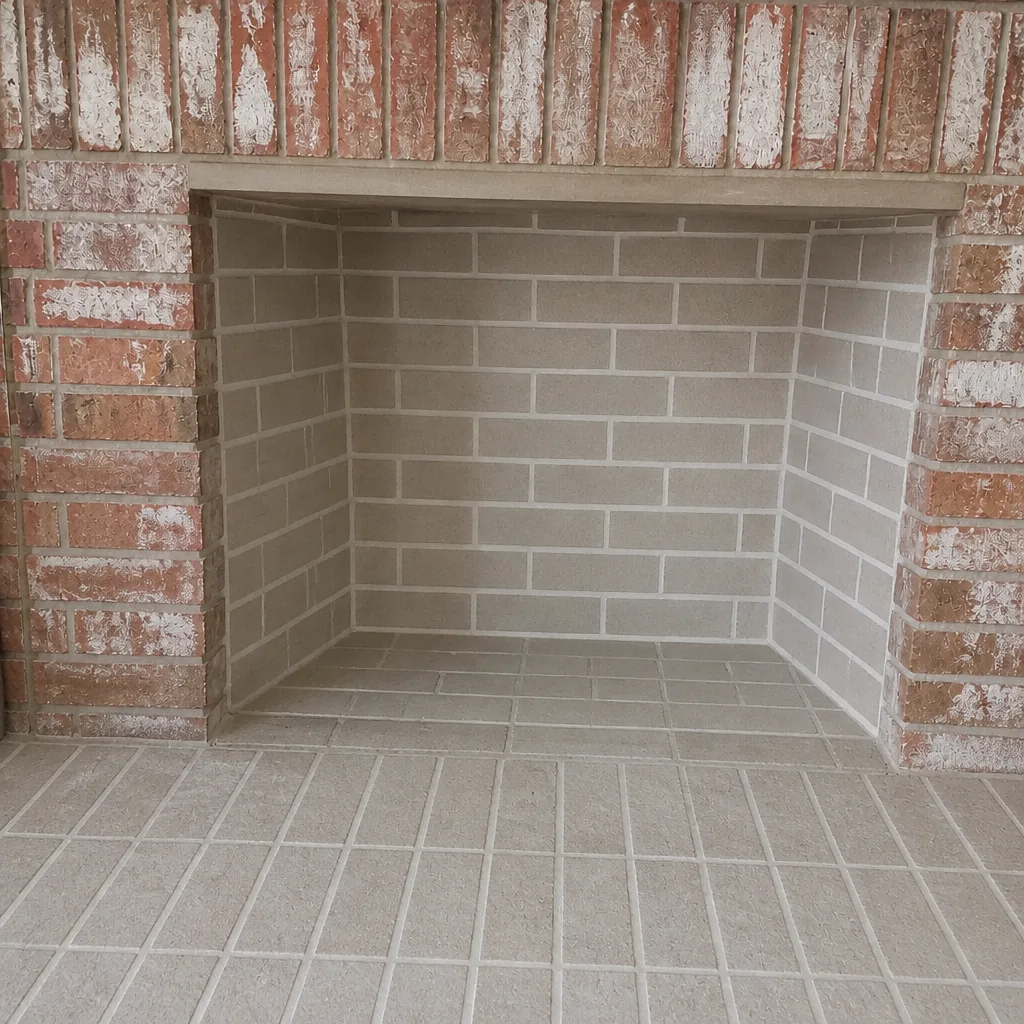
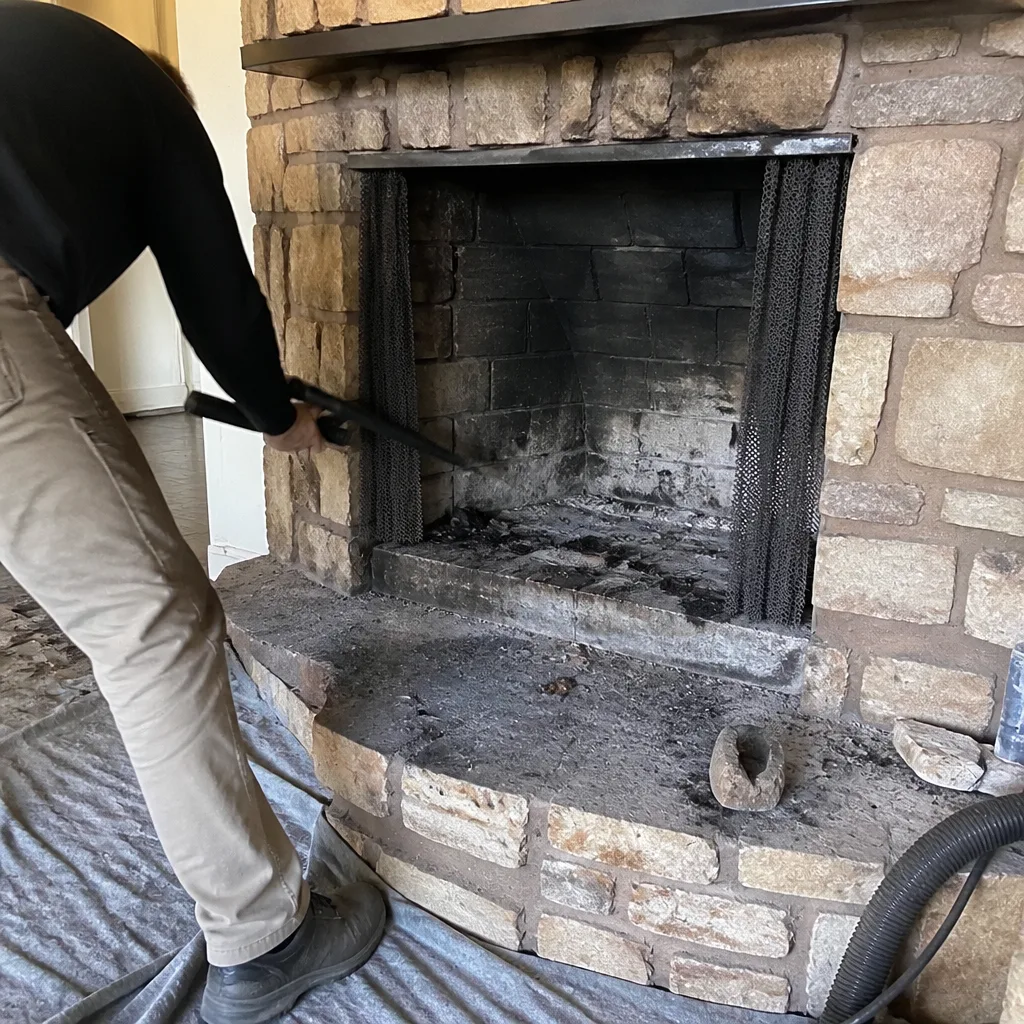
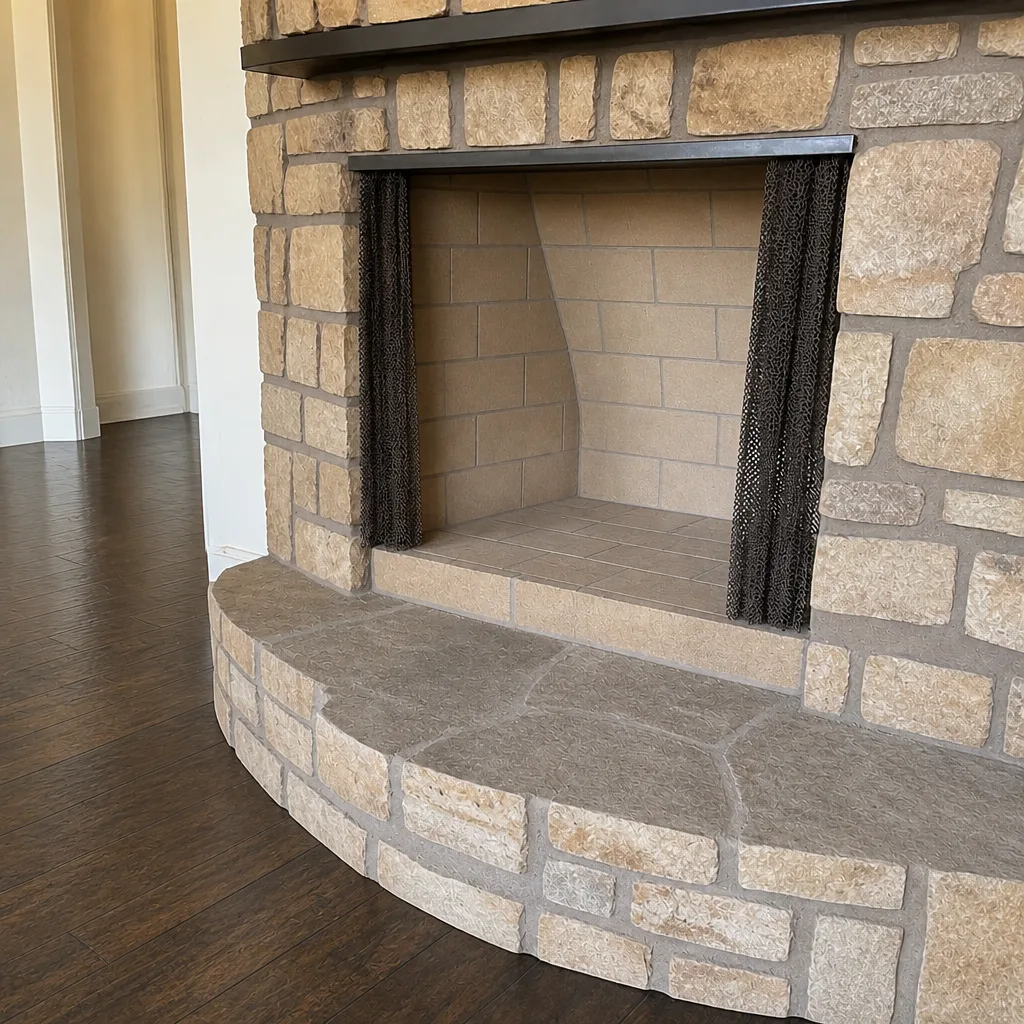
See the difference
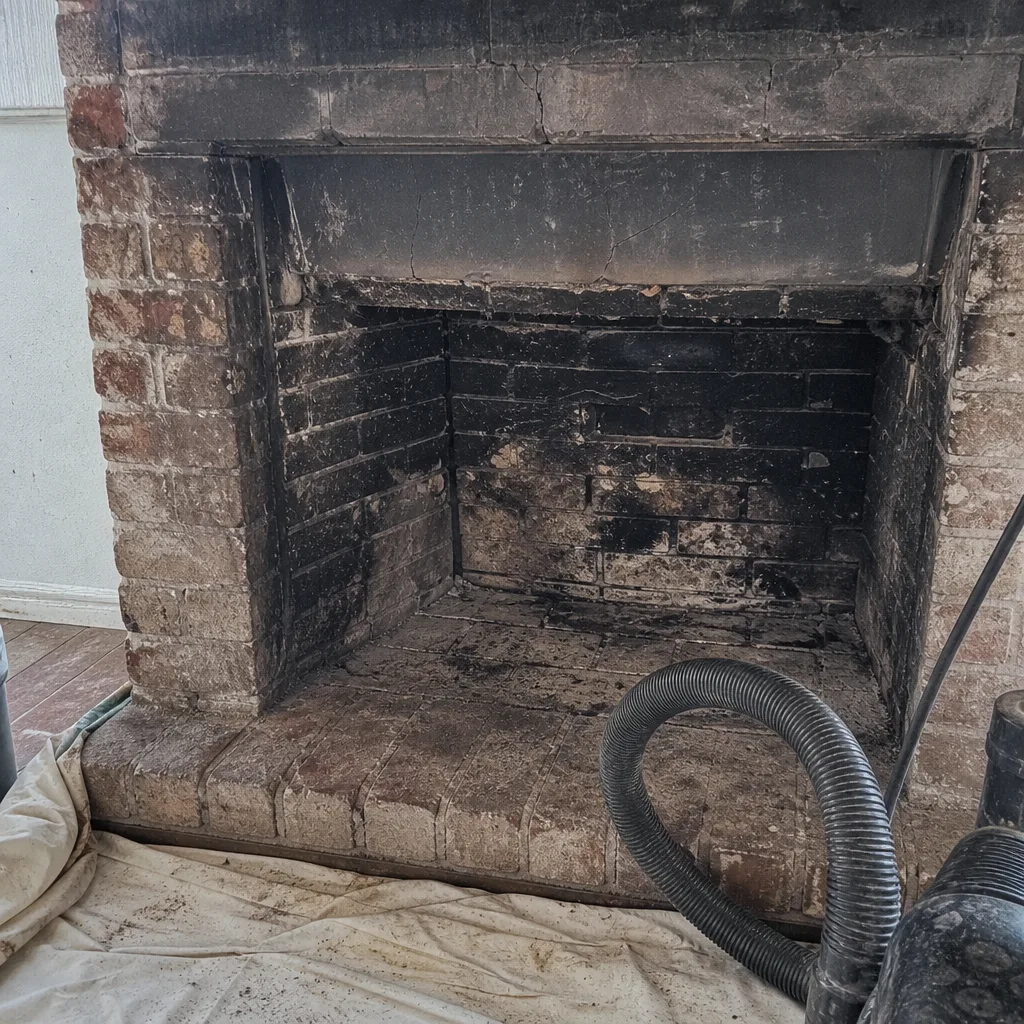 Before
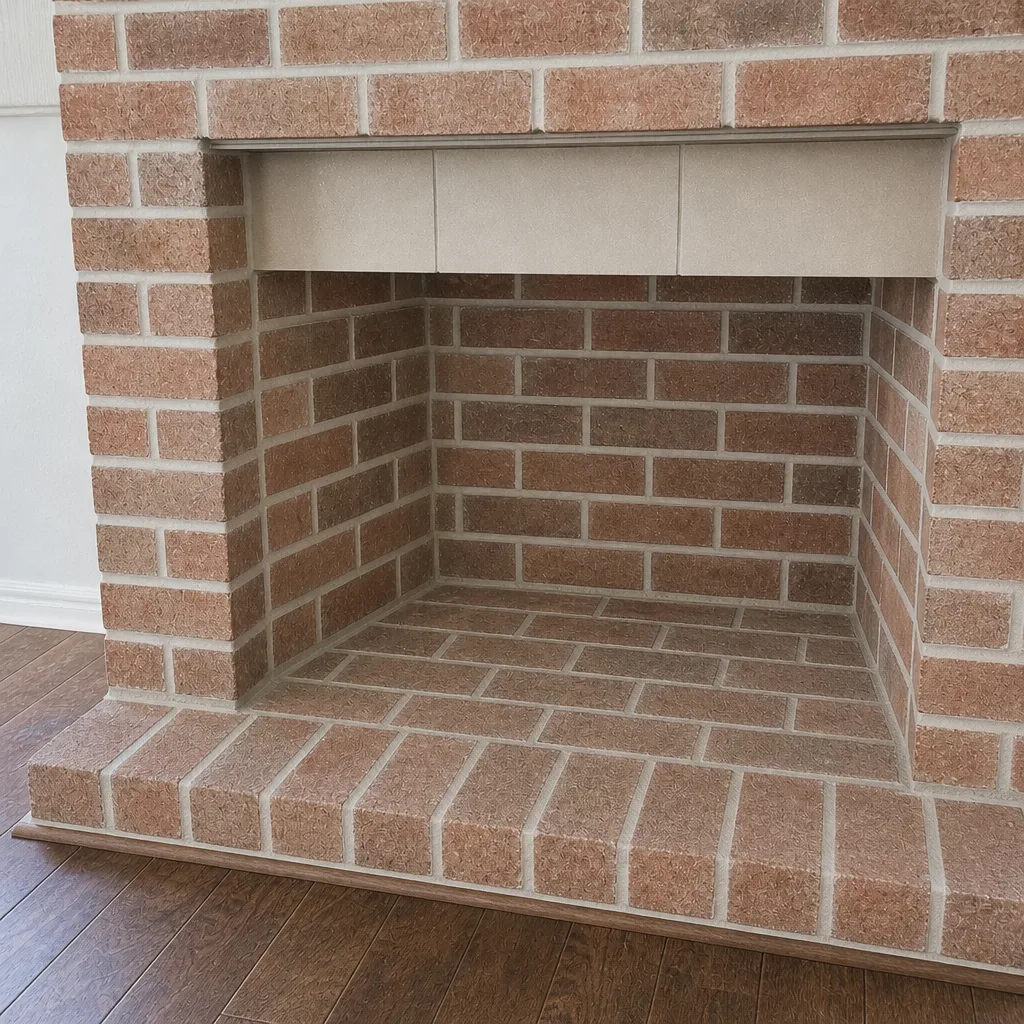 After
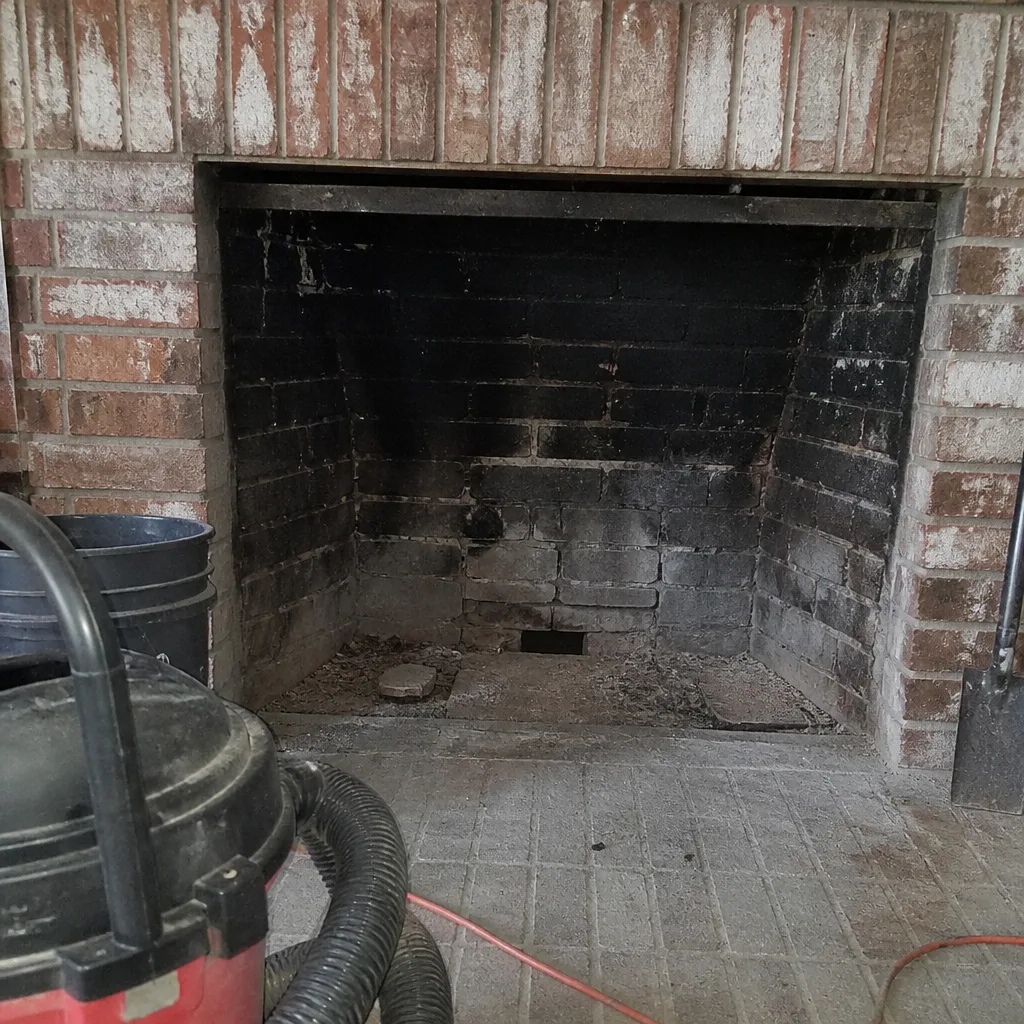 Before
 After
 Before
 After
When to Call a Professional
Call a professional when any of these apply: you don’t know when the chimney was last inspected, the home is a recent purchase, you’ve noticed draft problems or odors or visible damage, the flue has glazed creosote, or the chimney vents a gas appliance. Those are the situations where a cleaning has to come with an inspection to mean anything. A brush-only DIY clean in any of those cases leaves the most important questions unasked. Mesquite Chimney Sweep offers free estimates in Mesquite. Call (833) 246-4886. We answer 24/7. Fast dispatch from 7am to 7pm, Sunday through Friday, and we’ll tell you plainly what we found and what it means.
Frequently Asked Questions
You can clean your own chimney if it’s already been professionally inspected recently and is in sound condition, but a DIY clean doesn’t replace an inspection. A brush removes light soot; it doesn’t reveal a cracked liner, a damaged cap, or glazed creosote. If you don’t know your chimney’s condition, have it inspected before deciding whether a DIY clean is appropriate. Call (833) 246-4886 for an exact quote on a sweep and inspection – estimates are free.
A brush-only clean leaves the liner, cap, crown, smoke chamber, smoke shelf, damper, and firebox unexamined, and it doesn’t remove glazed creosote. In short, it cleans the flue walls and touches nothing else. The liner’s condition, the firebox’s cracks, and the crown’s water-tightness all require a camera and a trained eye. That’s the gap that makes a professional visit different from a DIY one. Call us for a documented inspection – estimates are free.
Sweep intervals depend on how much you burn, what you burn, and what the inspection finds, not on the calendar alone. Homes with frequent fires tend to need more frequent cleaning, and homes with a long idle gap before a season of use need an inspection first. Have the chimney evaluated, then set an interval based on what’s found. Regular professional cleaning, plus a camera inspection on record, is the structure that makes the schedule work. Call (833) 246-4886 – estimates are free.
Yes. The inspection is what produces a record of the chimney’s condition, and that record is the point. A professional inspection with a camera documents the liner, cap, crown, and smoke chamber, and it gives you a written account you can rely on if anything ever happens. A DIY clean produces no record at all. Ask the technician to document what they found before any work is recommended. Call for a documented inspection – estimates are free.
It can be, because some policies have conditions tied to reasonable care and maintenance, and a chimney fire traced to untreated creosote can become a coverage question. We’re not your insurer and can’t tell you how a specific policy will respond, but a professional inspection on record before a loss is a very different situation than a DIY clean with no record at all. Call (833) 246-4886 for an exact quote – estimates are free.
You can buy a brush, but a brush can’t do what a rotary cleaning system and a camera do. It doesn’t break up glazed creosote, it doesn’t size-verify against your flue dimensions, and it doesn’t document anything. For a sound chimney between visits, a brush is a reasonable interim step. For a chimney whose condition you don’t know, it’s the wrong place to start. Call (833) 246-4886 – estimates are free.
The Bottom Line
DIY chimney brushing is real maintenance, not a fraud. It removes light soot and keeps a sound flue cleaner between visits. But it isn’t an inspection, and no amount of brushing tells you whether the liner is cracked, the cap is failing, or the creosote has glazed. If you don’t know your chimney’s condition, the right move isn’t a brush. It’s an inspection that produces a written record, followed by cleaning on a schedule that matches how you actually burn. Mesquite Chimney Sweep works with professional-grade product lines including DuraFlex and HeatShield, and we tell you exactly what we found, what it means, and what fixing it involves. Call (833) 246-4886 for a free estimate.
Written by the team at Mesquite Chimney Sweep.