
Last updated November 16, 2026
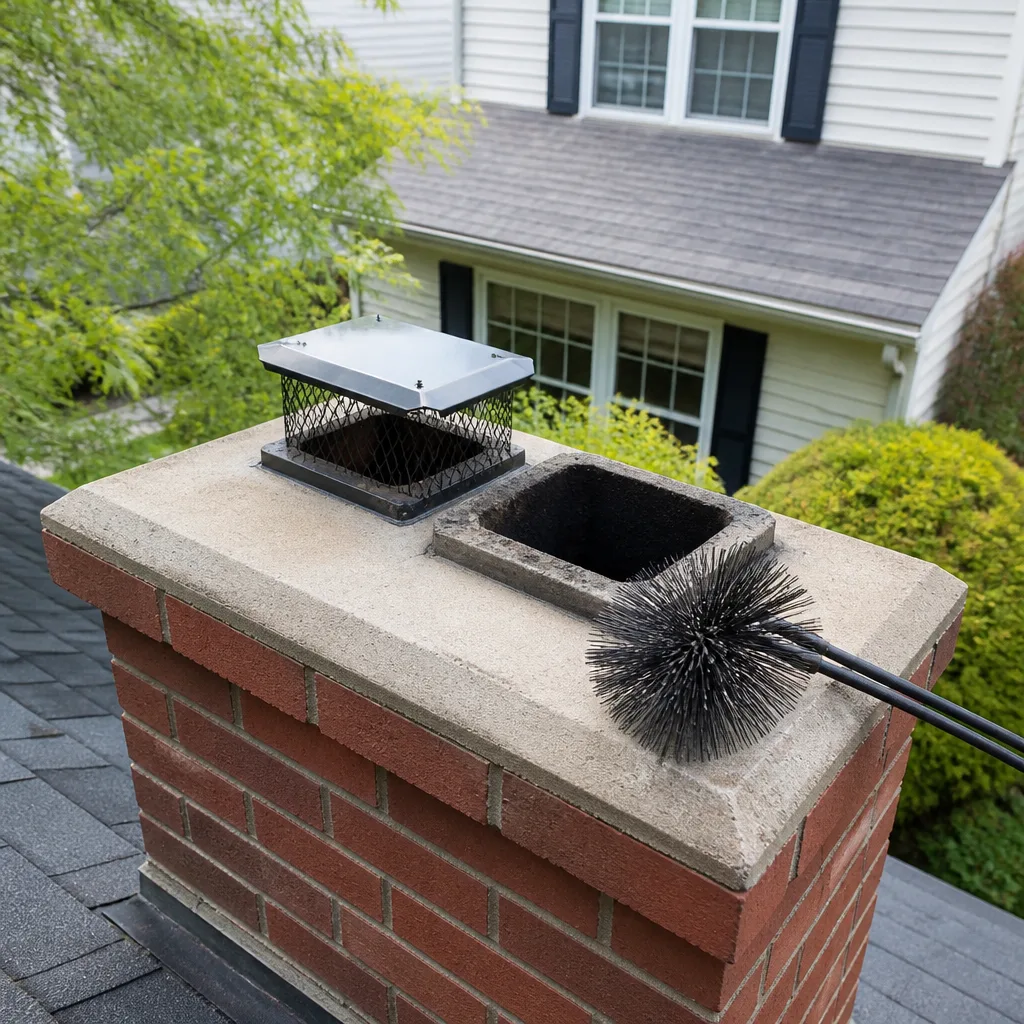 Sweep & inspection
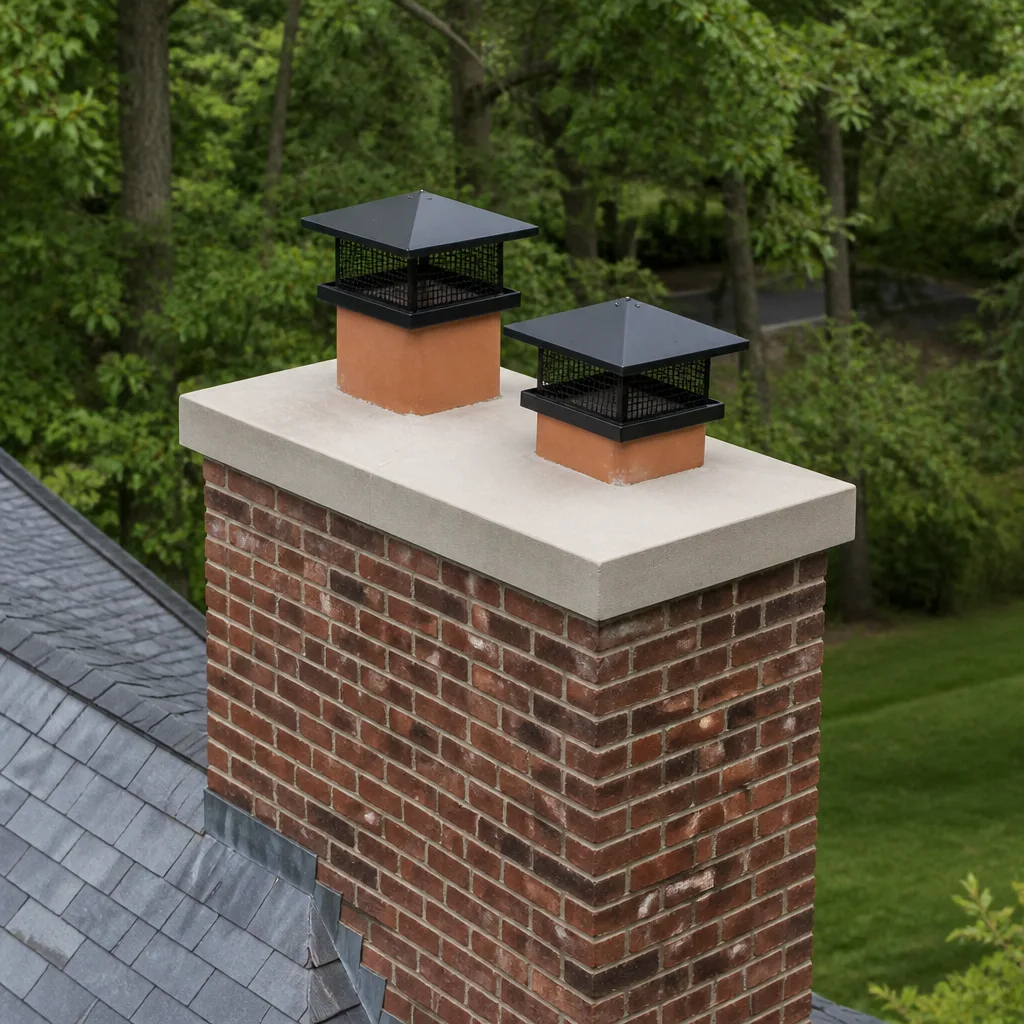 Caps & crowns
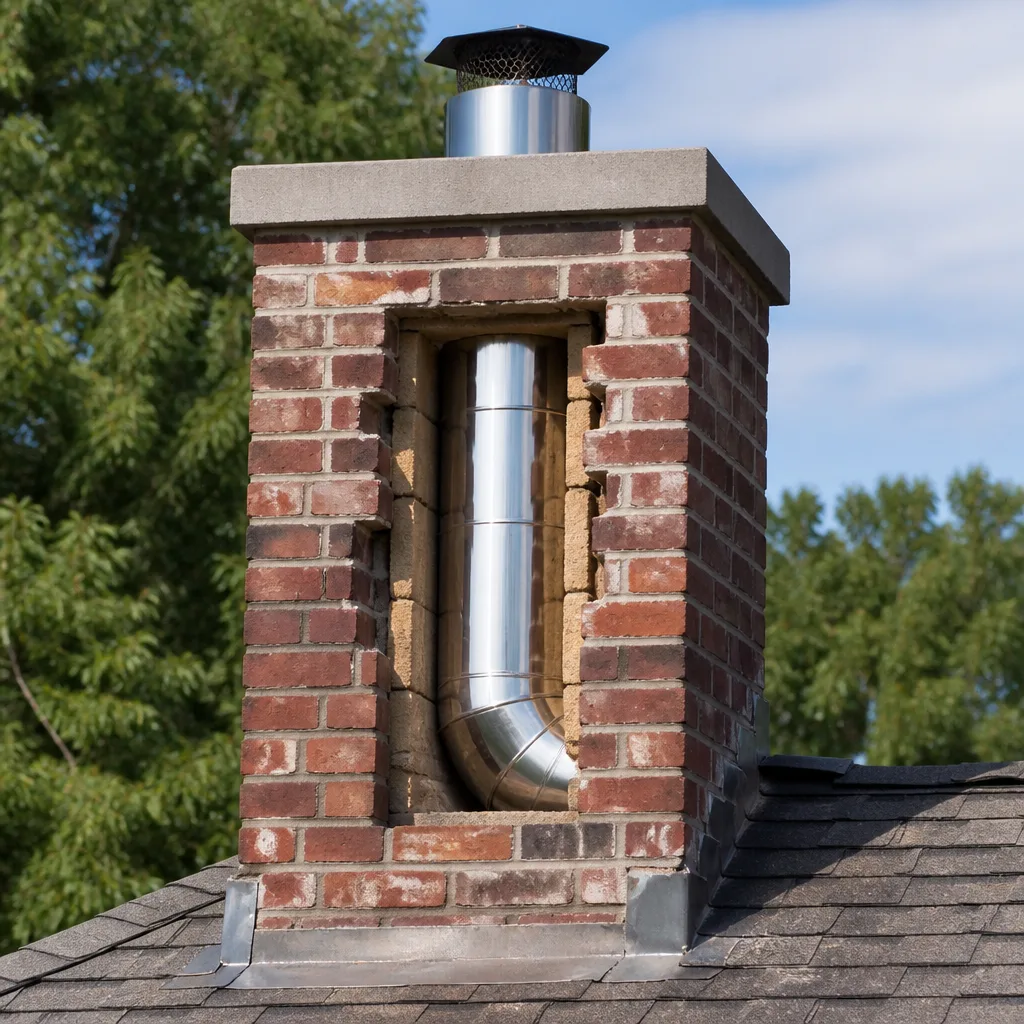 Flue relining
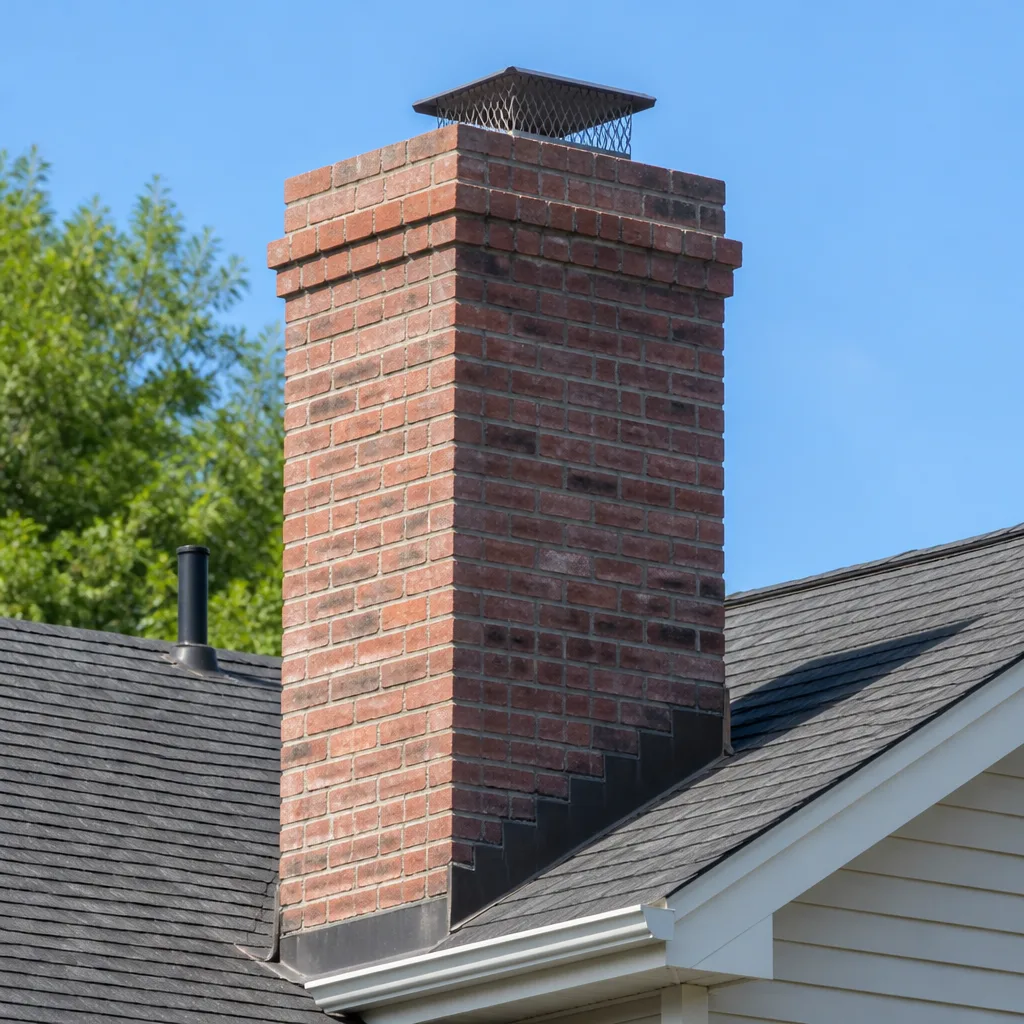 Masonry repair
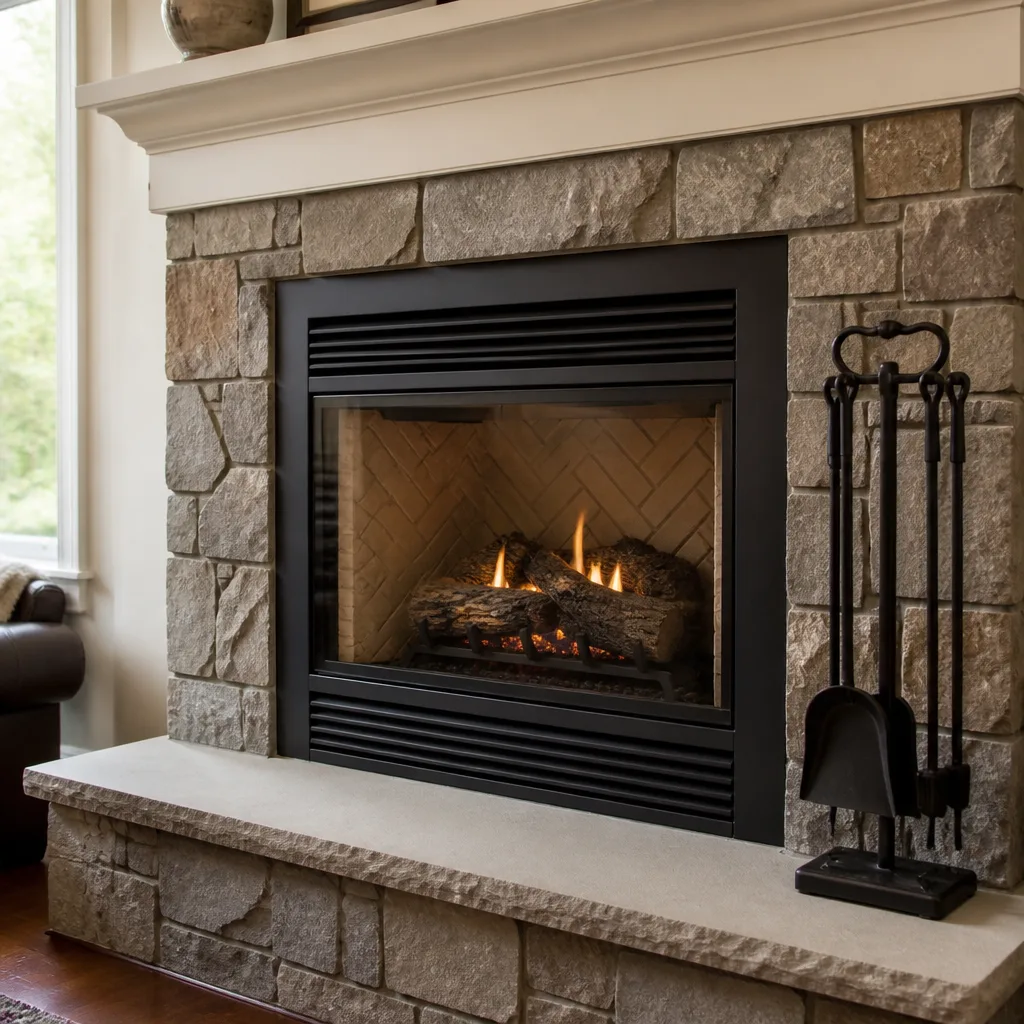 Gas fireplace service
Level 1 sweep and inspection to the NFPA 211 annual standard - flue, crown, cap, and flashing checked and photographed
Chimney sweep logs do not sweep chimneys. They loosen some creosote - which then falls where a brush and vacuum still have to collect it.
Chimney Cleaning Warning Signs: A Mesquite Homeowner’s Reference Guide
White staining on the outside of a chimney looks like something you’d scrub off with a stiff brush and an afternoon of your time. It isn’t. That crust is called efflorescence, and it means water has been traveling through the masonry, dissolving salts on its way in, and leaving them on the surface as it dries. By the time you can see it, the damage is already underway. Most chimney problems announce themselves long before anything dramatic happens, but they announce it in a language of stains, smells, sounds, and slow performance changes that most homeowners read as cosmetic or temporary. This guide translates those signals into plain causes so you can triage accurately instead of waiting for a bigger problem. We’ll cover what each sign actually points to in a Mesquite chimney and when it’s time to stop watching and start calling.
Quick Answer
The main chimney cleaning warning signs are: white or gray staining on exterior brick (water intrusion), dark staining or soot at the firebox, a smoke smell when the fireplace is cold and unused, reduced draft or back-puffing, rust or corrosion on the damper or firebox, and scratching or scurrying sounds from the flue. Any one of these is a reason to schedule a chimney inspection, and efflorescence, spalling brick, or a strong smoke smell in warm months warrant a call sooner rather than later.
Styles & brands we work with
- Sweep & inspection
- Caps & crowns
- Flue relining
- Masonry repair
- Gas fireplace service
Table of Contents
- Why Chimney Warning Signs Get Misread
- What Chimney Smells Tell You (And Why Season Changes the Answer)
- Reading the Exterior: Efflorescence, Spalling, and Cracking
- Fireplace Performance Problems Mapped to Their Causes
- Sounds and Odors That Point to Animals and Nesting
- The Firebox-Floor Inspection You Can Do With a Flashlight
- Creosote, Soot, and the Signs of a Blocked Flue
- What a Professional Sweep and Inspection Actually Involves
Why Chimney Warning Signs Get Misread
A chimney is one of the few systems in a house that fails gradually and quietly. When a water heater goes, you know within an hour. A chimney can degrade for years without interrupting a single fire, which is exactly why the signs get filed under “I’ll deal with that later.” The signals are real, but they’re subtle, and they look like maintenance items rather than structural or safety ones.
Here’s the pattern we see most in Mesquite. A homeowner notices the smell of last winter’s smoke lingering in the living room in June. They open a window. They don’t connect it to the chimney. Or they see a chalky white band on the brick and assume a power-washing will handle it. Or the fireplace starts smoking a little more than it used to, and they blame the wood. Each of those is a symptom with a specific cause behind it, and the cause is usually fixable more cheaply the earlier it’s caught.
Mesquite winters are mild, so a fireplace often goes months between uses. That gap matters. It gives moisture time to work on the masonry and creosote time to settle in the flue, and it means a small problem can grow across an entire off season before anyone lights a fire and notices something’s off. The value of learning to read the signs is that you catch the problem while it’s still small.
This guide is organized around the senses, because that’s how most people find these problems. Smells, sights, sounds, and performance. Each section connects a symptom to a cause so you can decide whether it’s a “call now” or a “note it and watch it.”
What Chimney Smells Tell You (And Why Season Changes the Answer)
The same smell in July and January can mean two completely different things. That’s the single most useful thing to understand about chimney odors, and it’s the piece most homeowners miss.
A smoke smell during winter, when the fireplace is in regular use, usually points to a draft or blockage problem:
- Slow or inconsistent draft. Smoke that lingers or rolls back into the room can mean the flue is partially obstructed by creosote buildup, a bird’s nest, or debris.
- Cold-flue backdraft. On cold, still mornings the flue can be colder than the room, and the air wants to fall rather than rise. A pre-warming step often solves it. If it happens constantly, the flue may be sized or configured poorly.
- A dirty flue. A few inches of soot and creosote restrict the flue just enough to reduce draft without fully blocking it. That’s a common winter culprit.
In summer, when the fireplace is cold and unused, a strong smoke smell means something else: moisture and creosote off-gassing. As humidity rises and the chimney is warmed by the sun, the creosote and soot lining the flue release a pungent, smoky odor that migrates into the house. The same happens when moisture is entering the masonry and evaporating back out. A chimney that smells like a bonfire in August is telling you the flue is dirty and probably wet. In our experience that combination almost always rewards a sweep and an inspection.
If the odor is sharp and acrid rather than smoky, that’s more often moisture interacting with creosote. If it’s a musty, earthy smell, suspect water in the masonry or a nest. Both are signs worth acting on.
Reading the Exterior: Efflorescence, Spalling, and Cracking
The outside of your chimney is a diagnostic surface. What you see on the brick tells you what’s happening inside it, and each pattern points to a different stage of water damage.
Efflorescence
That white, powdery, or crystalline bloom is salt. Water enters the masonry, dissolves naturally occurring salts, and carries them to the surface as it evaporates. Efflorescence by itself often indicates early-stage water intrusion. If it wipes away and doesn’t return, you may have caught it early. If it keeps coming back, the source is still active, and that source is typically a failing crown, a missing cap, or a cracked mortar joint.
Spalling
When water gets into brick, freezes, and expands, or simply pushes outward as it evaporates, it can pop the face off the brick. That flaking, peeling, or crumbling surface is spalling, and it means the masonry is already being damaged. Spalling usually follows long-term efflorescence. It’s a structural issue, not a cosmetic one, because the brick face carries weather exposure.
Stair-Step Cracking
Cracks that run diagonally along the mortar joints, looking like a staircase, are a distinct signature. Stair-step cracking often points to movement in the chimney structure or to water getting behind the veneer and weakening the mortar in a particular direction. Cracks that follow a single vertical line along a joint are usually less alarming; cracks that step diagonally, or cracks that keep widening, are a reason to bring someone out.
On a Mesquite chimney, these exterior signs are the fastest way to spot a problem you’d never see from inside, because the interior hidden surfaces (flue liner, crown interior, smoke chamber) don’t show damage to a casual look. If you see any of the three above, get a chimney repair assessment before the next rainy stretch rolls through.
Fireplace Performance Problems Mapped to Their Causes
When a fireplace stops drawing well, the change usually has a mechanical cause. Here’s how to map the symptom to what’s probably going on.
Slow Draw
If the fire lights but the smoke doesn’t leave, the draft is weak. The most common causes are a restricted flue (creosote, soot, or debris), a flue that’s undersized relative to the firebox opening, or a house that’s unusually tight and fighting the chimney for makeup air. A quick test: crack a window nearby and see if the draw improves. If it does, it’s an air-supply issue. If not, it’s likely the flue.
Back-Puffing
Smoke that puffs or rolls back into the room in pulses often points to a downdraft, an improperly sized flue, or a flue that’s blocked enough to cause turbulence. Back-puffing gets worse on windy days and around tall trees. If your chimney cap is a plain screen with no baffle, downdrafts are common.
Excessive Smoke
Smoke that curls out the front opening, stains the brick above the firebox, or leaves a film on the glass door points to poor draw or an obstruction. Excess creosote production also causes it, because a cold, slow fire smolders and deposits more creosote than a clean, hot one. That excess creosote, in turn, makes the next fire burn worse. It’s a feedback loop.
Poor Heating
A fireplace that used to give off heat and now just burns wood inefficiently often has a damaged damper, a warped or stuck damper plate, or a liner that’s no longer continuous. If you’re using a gas appliance, verify the venting before assuming performance is normal.
Each of these can be diagnosed with a camera inspection. In our experience, homeowners are often surprised how much of a “draft problem” is actually a buildup or a liner condition.
Sounds and Odors That Point to Animals and Nesting
Scratching, fluttering, or chirping from inside the chimney means an animal has moved in. Owls, squirrels, raccoons, and chimney swifts all seek out chimneys, and in neighborhoods with mature tree canopy (which describes much of Mesquite), that’s a recurring pattern. Birds in particular love a flue with a broken or missing cap.
Here’s what different sounds tend to mean:
- Scratching and light scuffling – Small birds or squirrels moving around on a soot shelf or at the cap.
- Heavier thumping or a low chittering – Raccoons or a larger animal. Handle carefully and don’t attempt to burn them out.
- Fluttering against the damper – A bird trapped near the damper. Do not open the damper; it can send the animal into the living room.
- An ammonia or animal smell – Nesting material and droppings. This is a health and air-quality concern, not just an odor issue.
Odors can also signal a blocked flue even without an animal. If you smell something like a damp, earthy, or garbage odor and you’ve used the fireplace recently, suspect a nest or a blockage. Never light a fire when you suspect a nest in the flue. A sweep can remove the obstruction and inspect for damage, and if the cap was the entry point, a professional-grade cap from a maker like Famco or Olympia Chimney can close it for good. We name the brands we use because materials matter as much as labor.
The Firebox-Floor Inspection You Can Do With a Flashlight
You don’t need to climb anything to catch the most important warning signs. With a bright flashlight and a few minutes, you can inspect from the firebox floor. This is a check, not a repair, and it’s the single most valuable ten minutes you can spend on chimney safety between professional visits.
- Open the damper and look up. Shine the light up the flue. You should see a continuous, unobstructed passage. Any visible shelf of black, crusty buildup is creosote, and any visible nest material or debris means call before your next fire.
- Look at the firebox walls. Cracks in the firebrick or gaps in the mortar joints are a sign the firebox lining is failing. Small cracks are common; cracks that run the full depth of a brick are not.
- Examine the damper plate. Look for rust, warping, or a plate that doesn’t sit flush. A damper that won’t seal lets warm air escape and cold air in.
- Check the smoke shelf and smoke chamber. Look for soot crust, fallen brick, or debris in the area immediately above the damper.
- Sniff and look for water. Rust stains, water lines, or damp mortar around the firebox are signs of water intrusion from above.
- Look above the firebox for white or black streaks. Soot streaking above the opening points to chronic backdraft or a blocked flue.
What warrants an immediate call: a fully or partially blocked flue, visible creosote needing removal, firebrick cracks that go through the brick, a damper that won’t open, or any sign of water intrusion. What can usually wait for a scheduled visit: light dusting of soot, a slightly sticky damper, minor surface staining. Our technicians have up to 12 years of experience, and that experience is the difference between knowing what’s urgent and what’s cosmetic.
Creosote, Soot, and the Signs of a Blocked Flue
Creosote is the byproduct of incomplete combustion, and it comes in three forms. Stage 1 is sooty and brushes off easily. Stage 2 is flaky and crumbly, and it takes more work to remove. Stage 3 is glazed and tar-like, and it is the dangerous one because it’s highly combustible. A blocked or heavily lined flue reduces draft, so the fire burns cooler, which produces more creosote, which blocks more of the flue. That cycle is the core reason chimney sweeping exists.
Signs of a blocked flue include:
- Smoke rolling back into the room when you light a fire.
- A strong smoke smell even when the fireplace is cold.
- Weak, lazy flames that smolder instead of burning clean.
- Soot collecting on the face of the fireplace or the glass door.
- A soft “whooshing” or restricted sound when a fire is burning.
- A visible buildup when you look up the flue from the firebox.
Burning properly seasoned wood, keeping fires hot rather than smoldering, and having the chimney swept on a regular schedule are the reliable ways to keep creosote under control. If the firebox and flue show heavy glazed creosote, more than a sweep may be needed. That’s where the sweep and the inspection work as a pair.
What a Professional Sweep and Inspection Actually Involves
A professional chimney sweep is more than a brush on a rod. Done properly, it’s a documented process that starts with protecting your home and ends with a clear report of what was found.
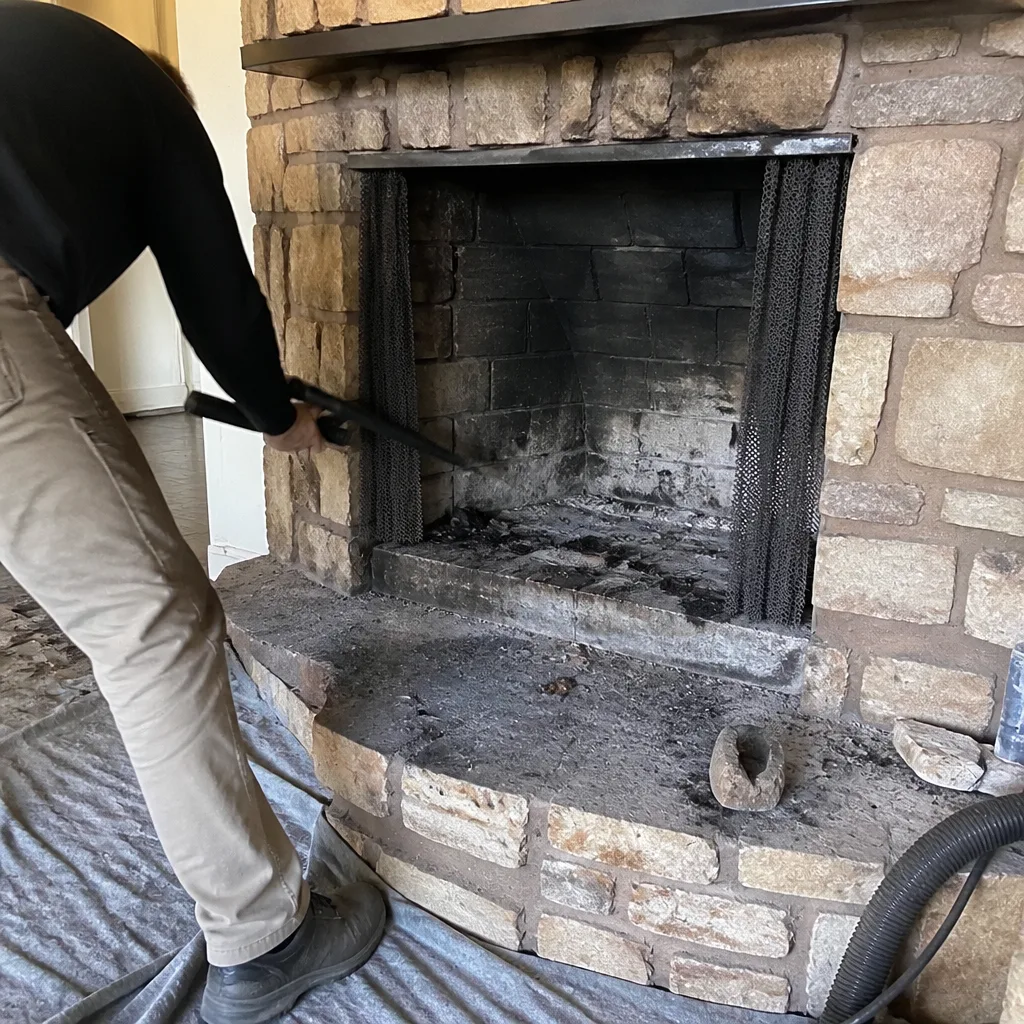
- Setup and protection. Drop cloths and a shop vacuum contain dust before the sweep begins.
- Sweeping the flue. A rotary brush clears soot and creosote from the flue walls. Accessories clear the smoke chamber and the firebox.
- Camera inspection. A camera is run up the flue to see the interior surfaces, liner joints, and any cracks or gaps that a plain visual look from the floor would miss.
- Exterior and crown check. The cap, crown, flashing, and masonry are examined from outside.
- The report. You receive an account of what was found, what it means, and what fixing it involves. Nothing is recommended without camera evidence you can see.
If the inspection reveals a failing flue liner, we can restore the interior surface with HeatShield, the ceramic flue repair system, or in some cases install a full DuraFlex liner system if the flue condition calls for it. A Gelco or Copperfield component may fit a specific repair need, and we specify brands so you know exactly what’s going into your chimney. One call covers the sweep, the inspection, and the repair.
Common Mistakes to Avoid
- Treating efflorescence as a cleaning problem. Scrubbing or power-washing the white staining removes the symptom, not the water. If the source isn’t addressed, the staining returns and the masonry keeps degrading.
- Burning a nest out of the flue. A bird’s nest, squirrel nest, or raccoon in the flue is a fire risk and a health risk. Remove the animal and the nesting material before any fire, and check the cap afterward.
- Using a fireplace with a seriously blocked flue. A blocked flue can push carbon monoxide and smoke back into the living space. If the draw is poor and you can’t clear it, stop using the fireplace until it’s inspected.
- Assuming a clean-looking firebox means a clean flue. Soot and creosote build higher in the flue, where you can’t see them. The firebox floor tells you very little about the flue.
- Ignoring a changing draft. A fireplace that used to draw well and now doesn’t is telling you something changed. Investigate the cause rather than adjusting your technique.
- Skipping the inspection on a recently purchased home. New homeowners inherit whatever the previous owner left. A camera inspection tells you what’s actually there before your first fire.
- Waiting for a smell to “clear up.” A smoke smell in summer doesn’t clear up on its own. It gets worse as moisture and creosote interact, and it’s the kind of sign that’s cheaper to address at the start.
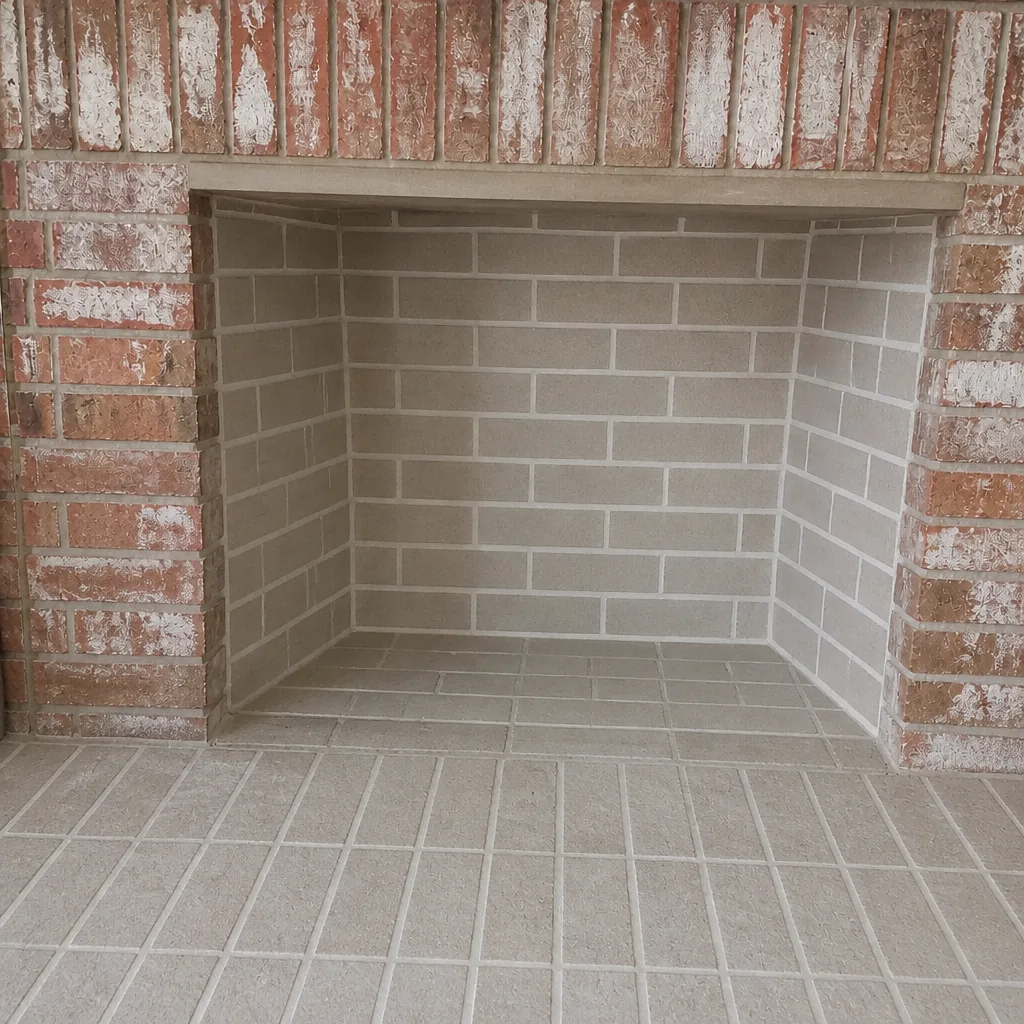
See the difference
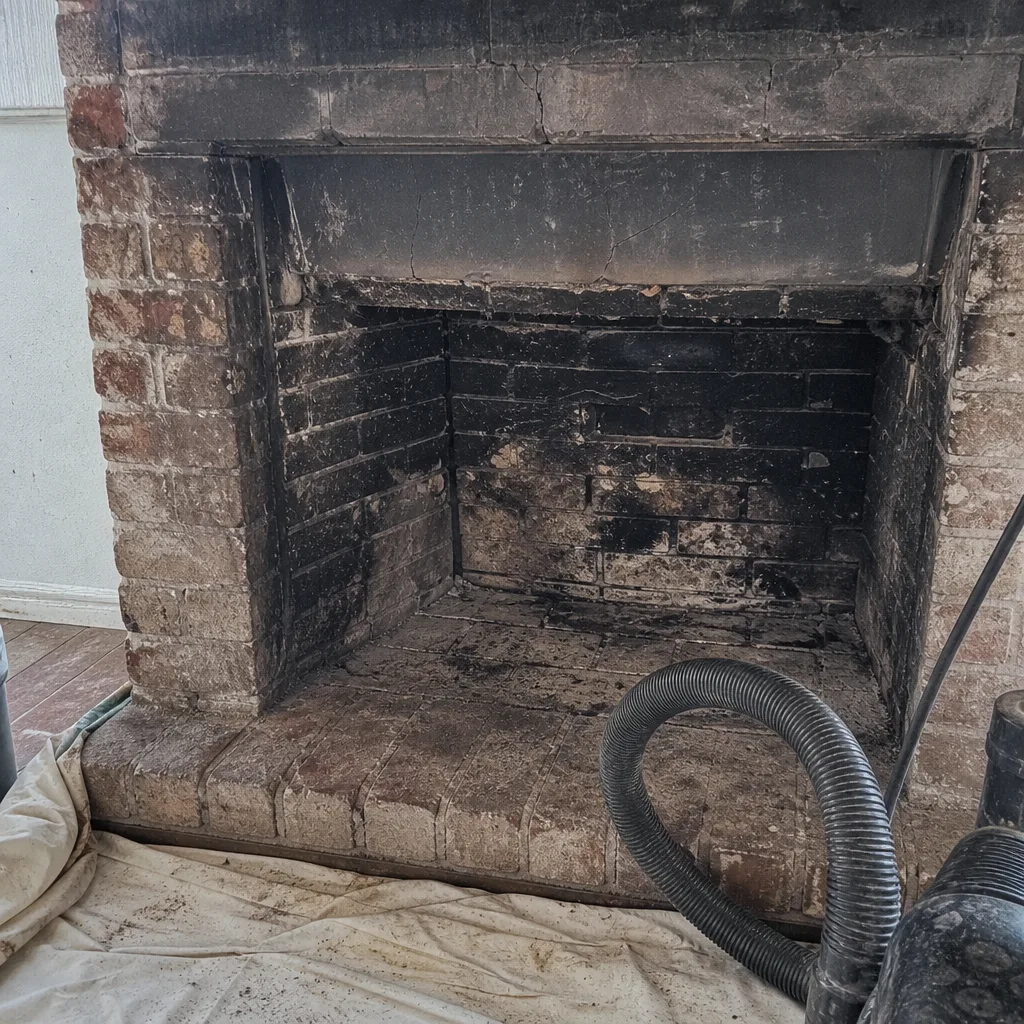 Before
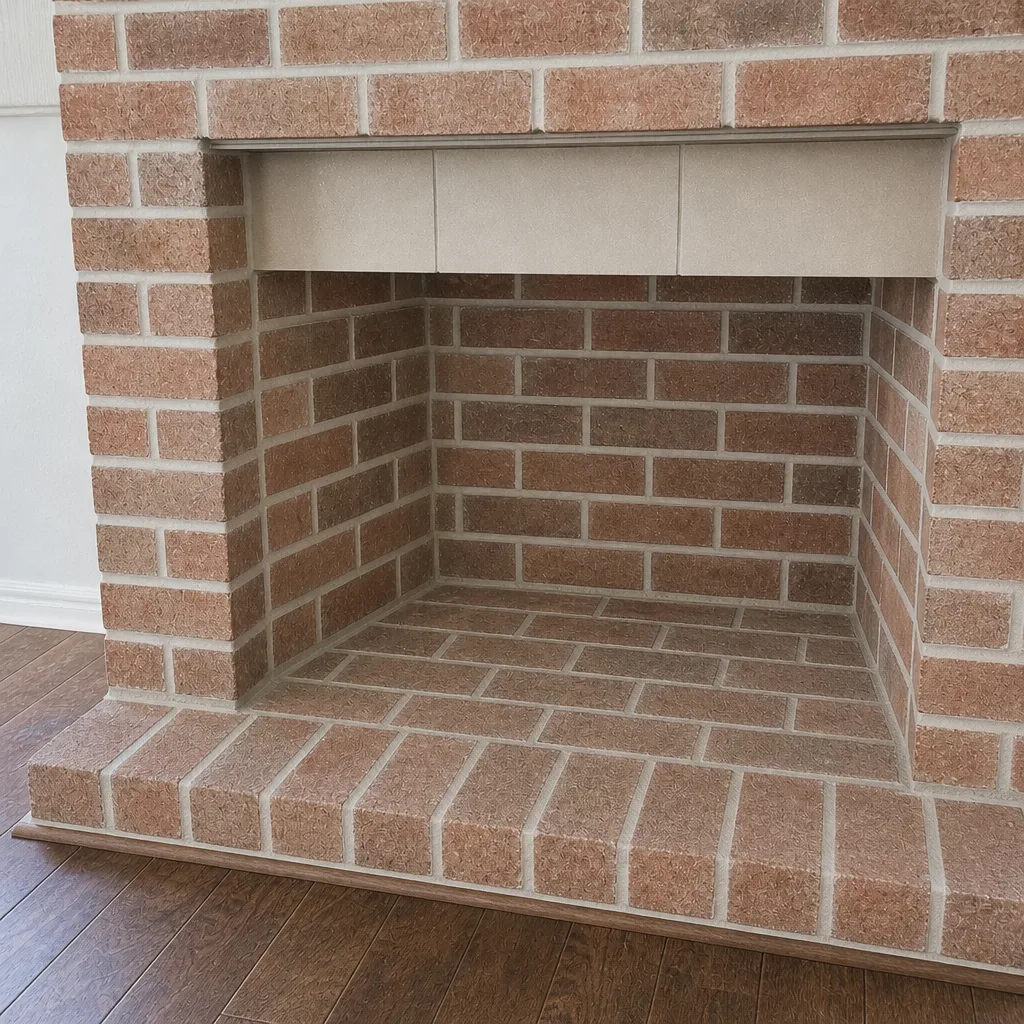 After
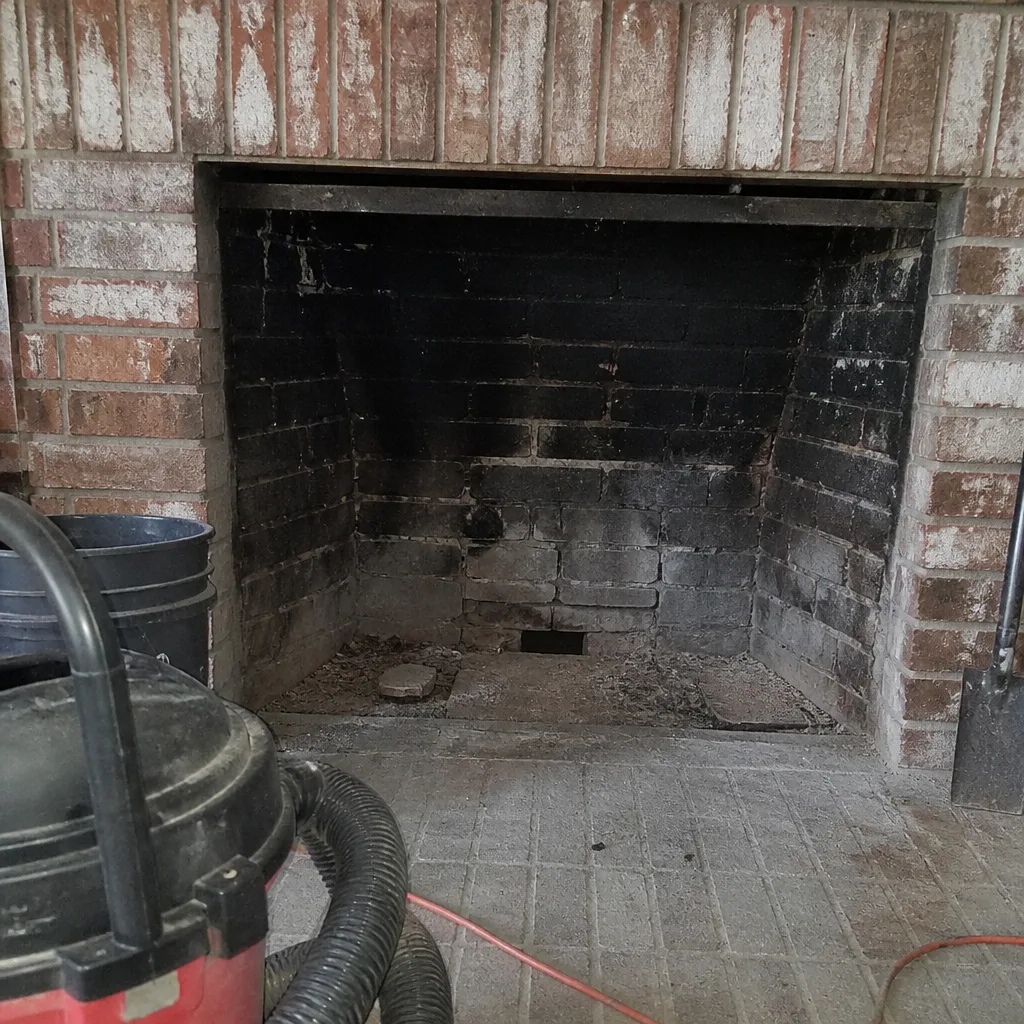 Before
 After
 Before
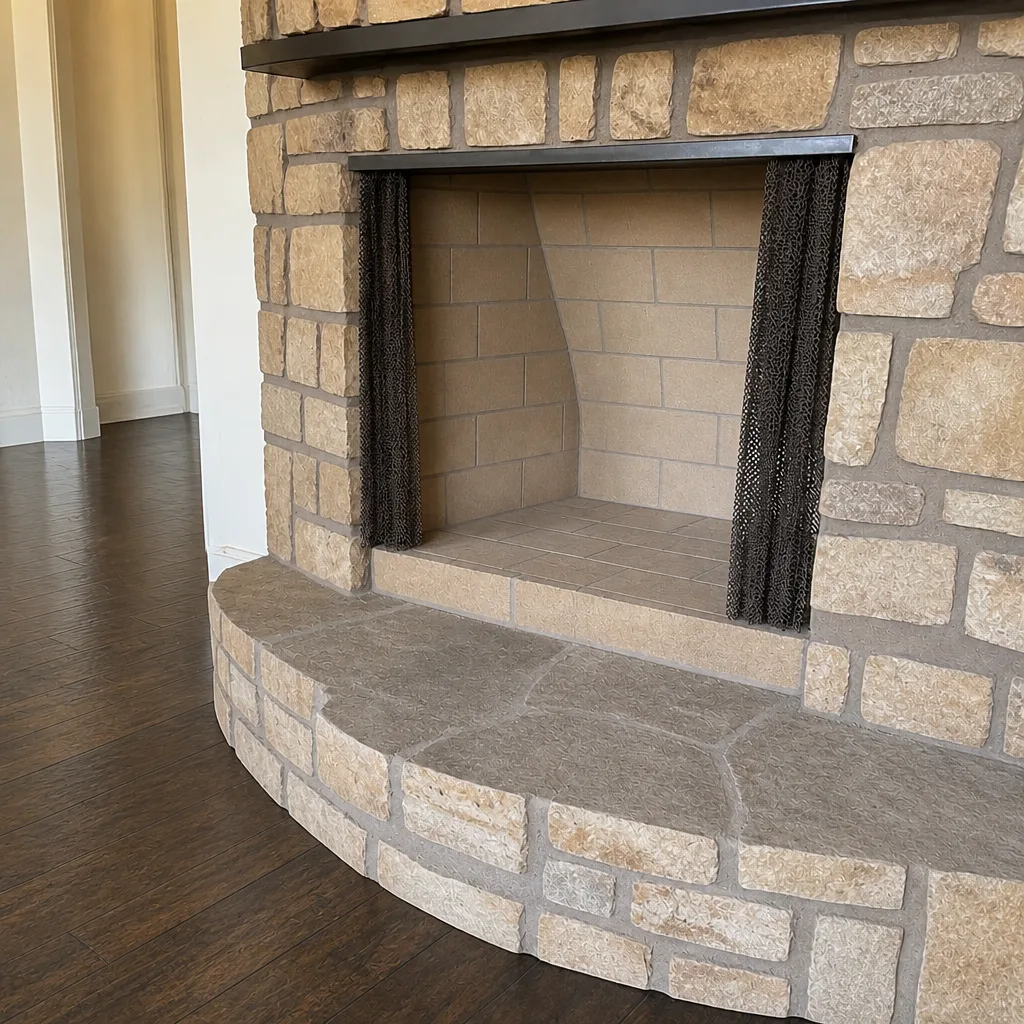 After
When to Call a Professional
Call a professional when you see efflorescence that keeps returning, spalling brick, or stair-step cracks on the exterior. Call when the fireplace’s draw has clearly changed and a cracked window doesn’t fix it. Call when you smell smoke in the house during summer or hear animals in the flue. Call when the firebox shows deep firebrick cracks or when the damper won’t seal. And call if you’ve moved into a home recently and haven’t had a camera inspection done. Mesquite Chimney Sweep offers free estimates in Mesquite. Call (833) 246-4886. We answer 24/7. Fast dispatch from 7am to 7pm, Sunday through Friday.
Frequently Asked Questions
The earliest and most reliable signs are a smoke smell when the fireplace is cold, reduced draft, soot streaking above the firebox opening, and visible buildup when you shine a flashlight up the flue. If any of those show up, it’s worth a sweep and inspection. Call (833) 246-4886 for a free estimate.
In summer, a smoke smell usually means moisture and creosote are off-gassing in a chimney that’s warm outside and cold inside. The cause is typically a dirty flue plus water intrusion, not a draft problem. Fixing it means sweeping the flue and finding the water source.
White crystalline staining is efflorescence, and it means water is moving through the masonry and depositing salts on the surface. It’s a sign of water intrusion, not a cosmetic issue. If it keeps coming back, the source needs to be found and sealed.
Light soot can be brushed by a careful homeowner, but a true chimney cleaning also checks creosote stage, liner condition, and the smoke chamber, which a brush alone won’t tell you. It also examines the flue with a camera. The parts of the work that matter most to safety are the inspection and the diagnosis, and that’s the work a professional is for.
Scratching, fluttering, or chittering sounds from the flue are the clearest sign. So are a musty or ammonia odor, and droppings on the firebox floor. Don’t try to burn the animal out. Get it removed and then cap the flue, since a missing or damaged cap is the most common entry point.
Yes. A home inspection often doesn’t inspect the chimney interior, so a new owner inherits whatever the last owner left without knowing the liner’s condition. A camera inspection gives you a documented starting point. Call (833) 246-4886 for a free estimate.
The Bottom Line
Most chimney problems reveal themselves early. Efflorescence, spalling brick, stair-step cracking, summer smoke smell, draft changes, and animal sounds are all reading-together signals, not random noise, and each one points to a specific cause behind it. The trick isn’t memorizing a list, it’s connecting the symptom to what’s going on in the flue and the masonry. The earlier a sign is read, the smaller the fix usually needs to be. If you spot any of the signs in this guide, or you’re simply not sure what you’re seeing, the next step is a camera inspection from a Mesquite chimney professional. You can read more about our Mesquite service and what a sweep covers.
Contact Us
There’s no fee to call, and nothing is recommended without camera evidence you can see for yourself. Call (833) 246-4886. We answer 24/7. Fast dispatch from 7am to 7pm, Sunday through Friday. One call covers the sweep, the inspection, and the repair, and you’ll know exactly what we found, what it means, and what fixing it involves.
Written by the team at Mesquite Chimney Sweep.