
Last updated November 16, 2026
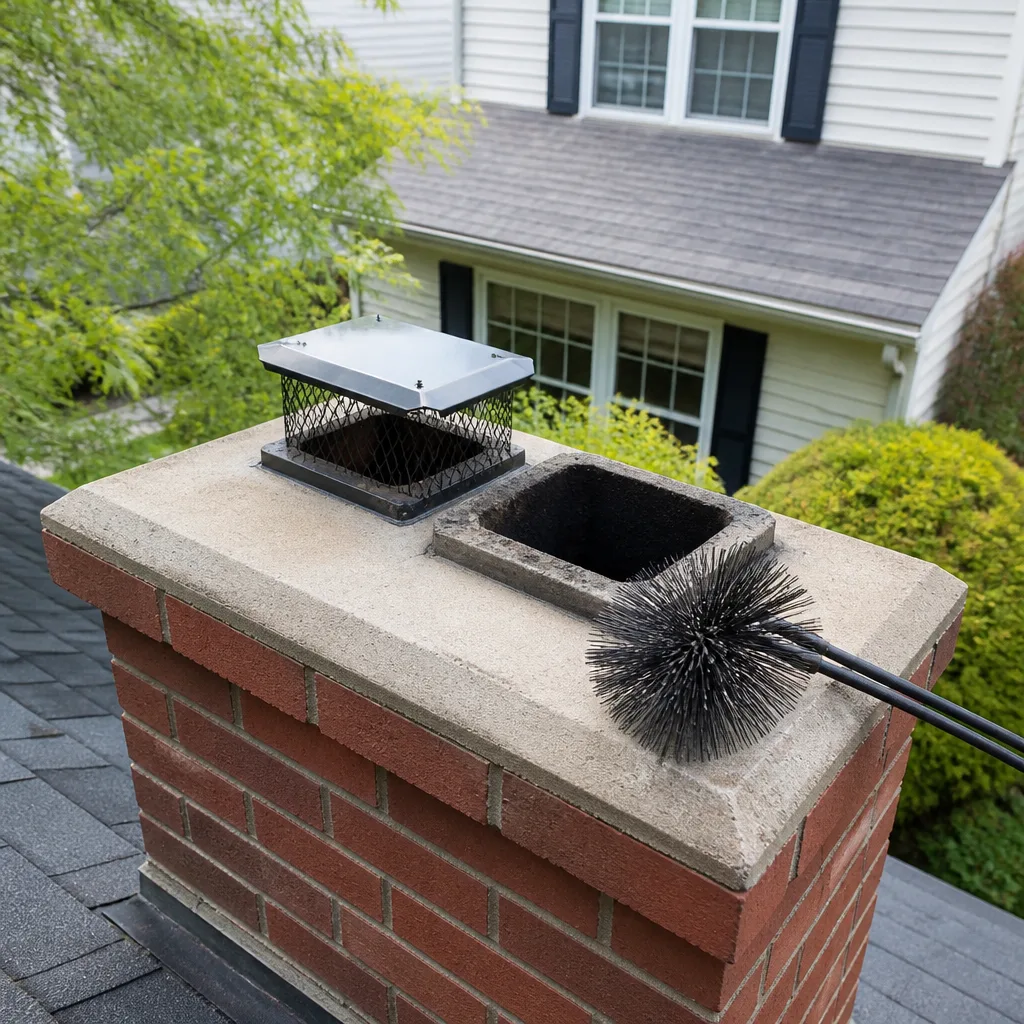 Sweep & inspection
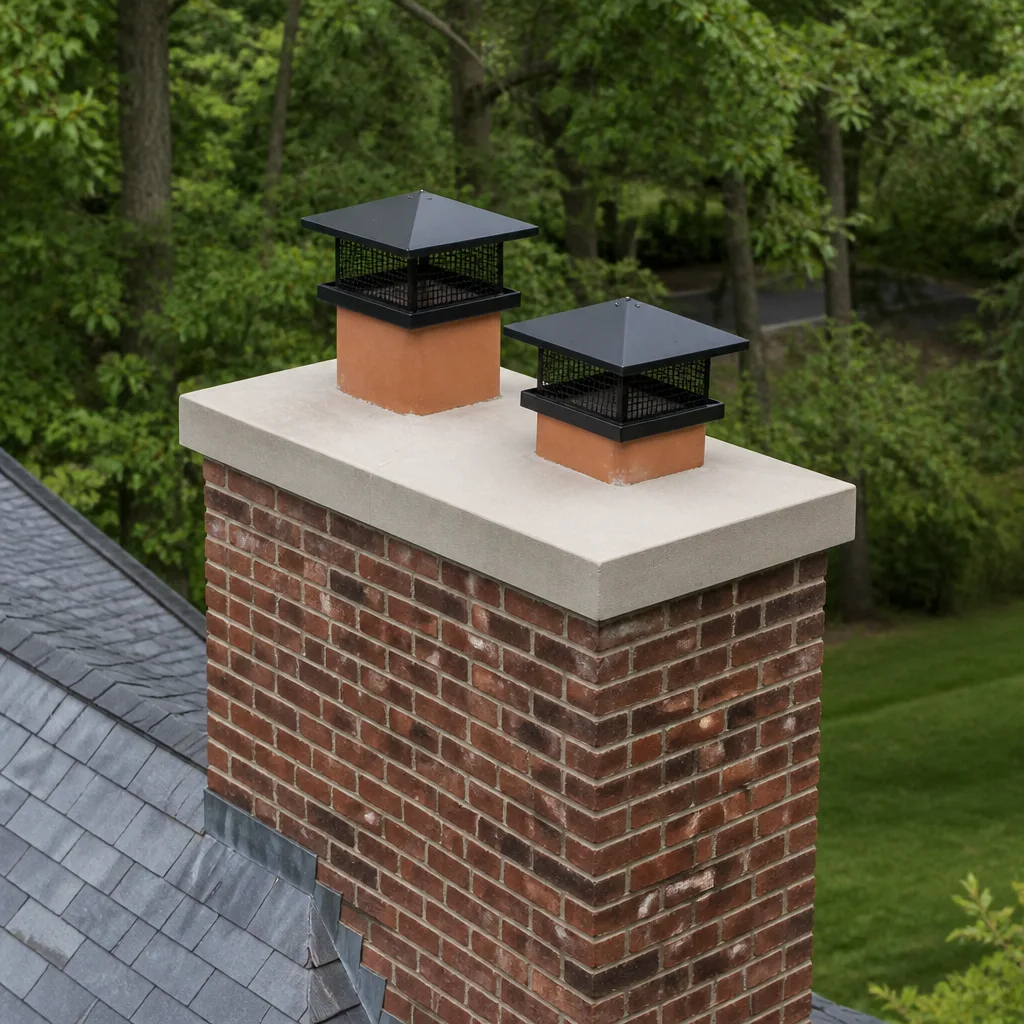 Caps & crowns
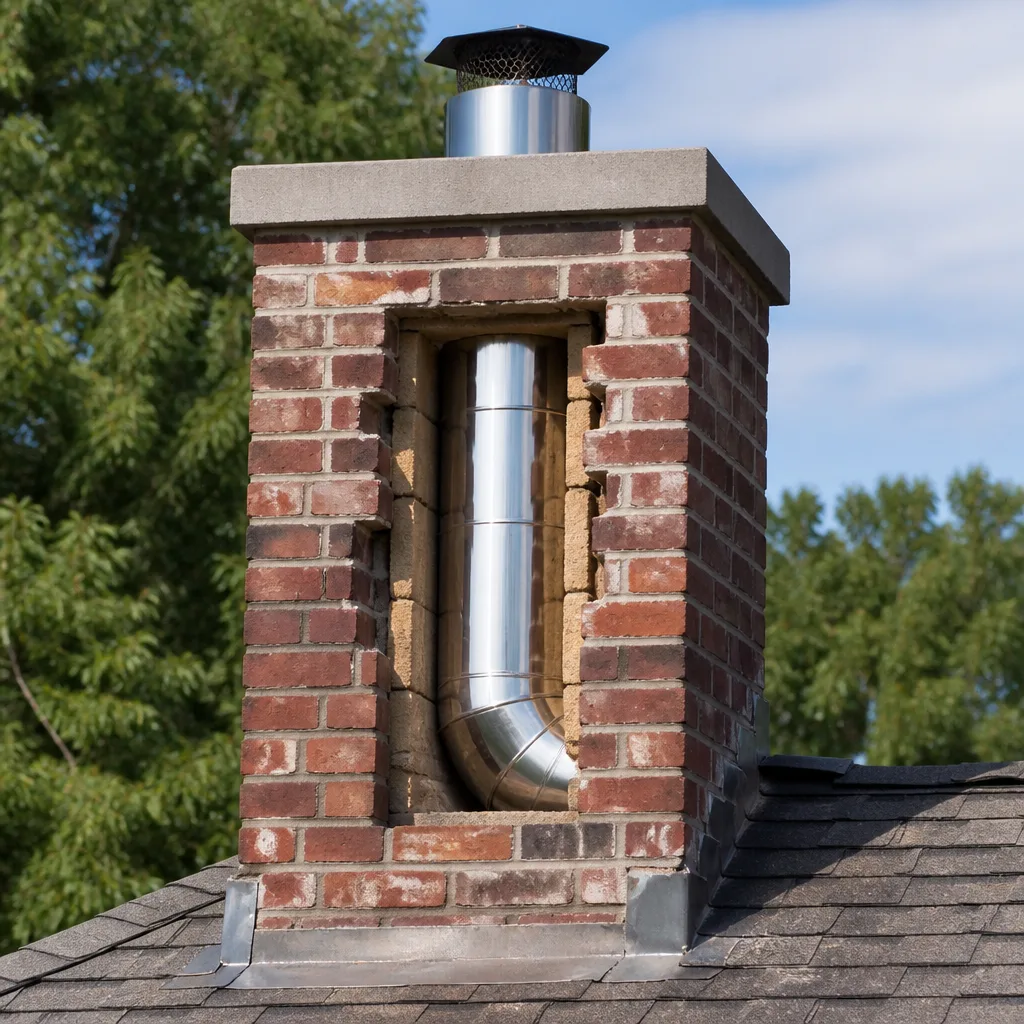 Flue relining
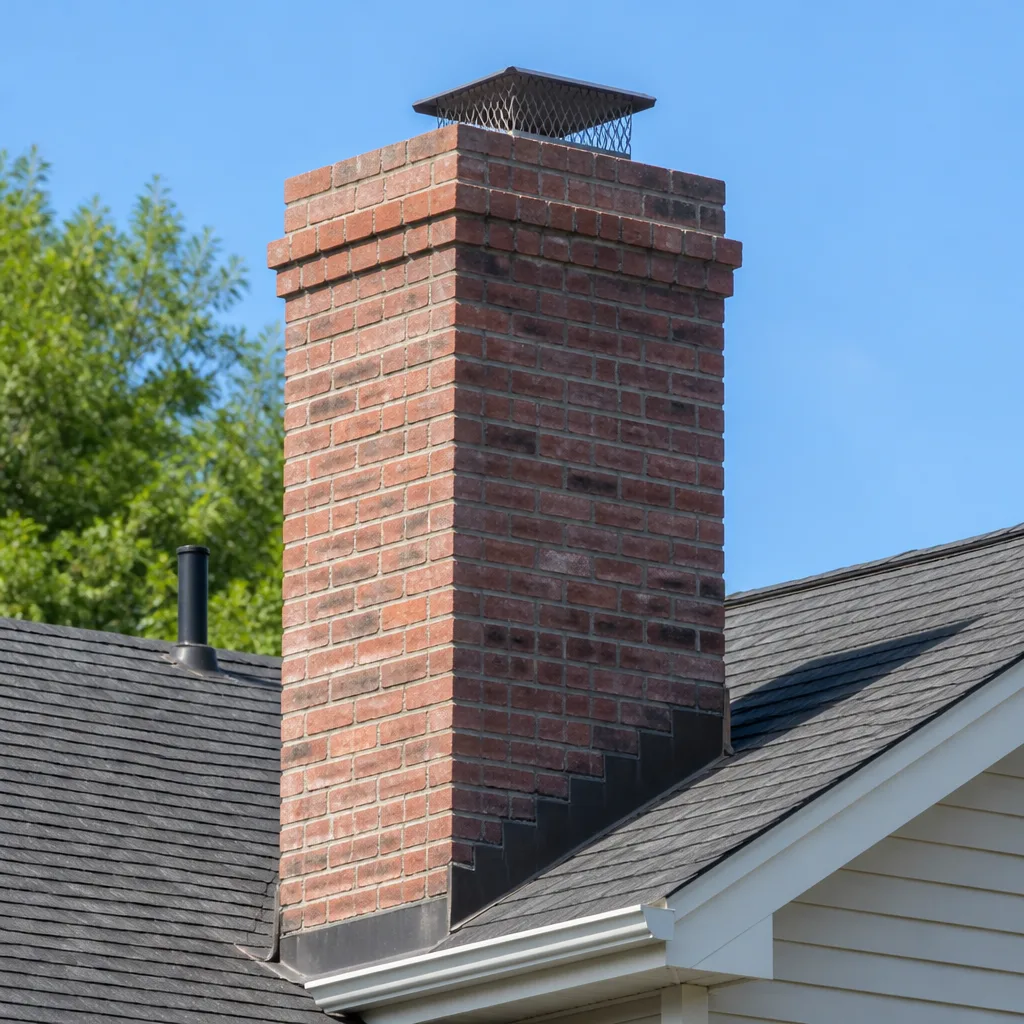 Masonry repair
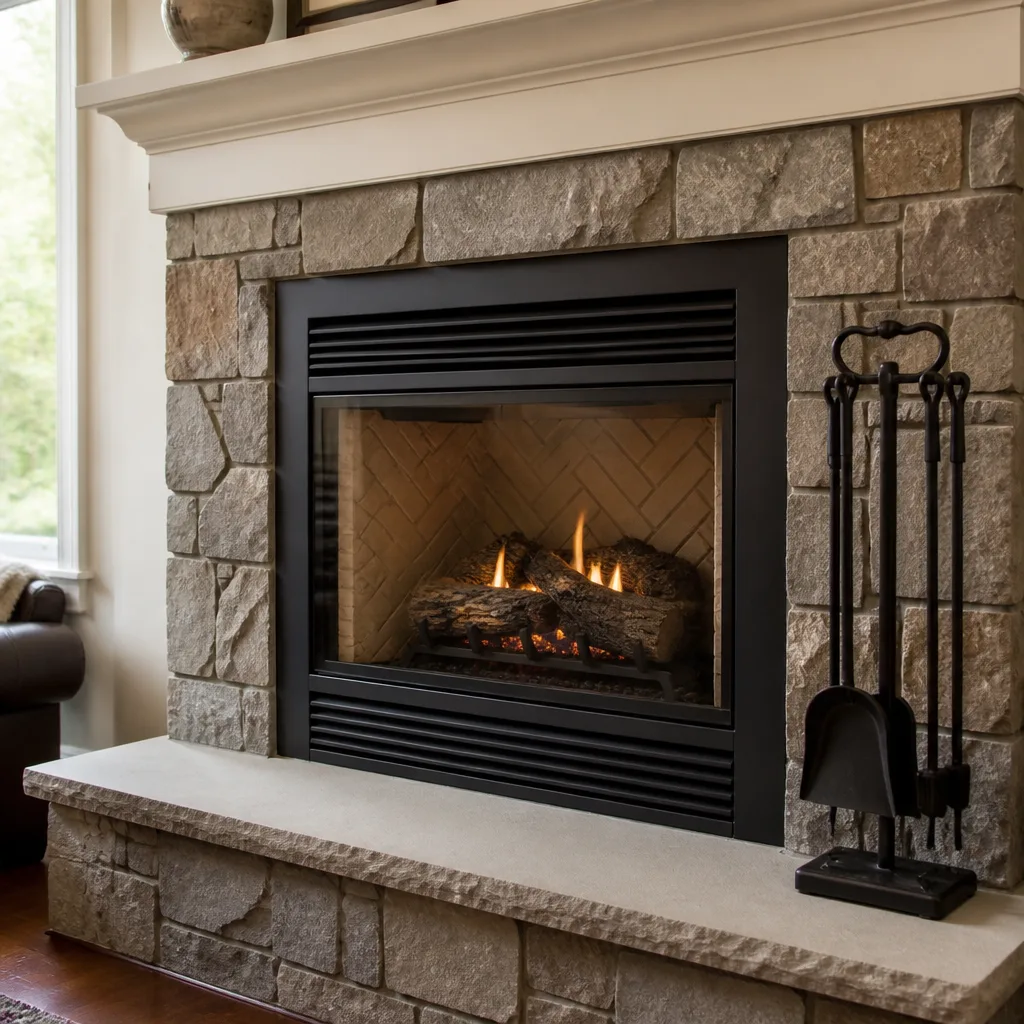 Gas fireplace service
Level 1 sweep and inspection to the NFPA 211 annual standard - flue, crown, cap, and flashing checked and photographed
Chimney sweep logs do not sweep chimneys. They loosen some creosote - which then falls where a brush and vacuum still have to collect it.
Chimney Sweep Maintenance Schedule: What to Do and When
Scheduling your chimney sweep in October is the most popular choice in Mesquite, and it’s also the most crowded. By then the first cool snaps have already pushed neighbors to light fires in systems nobody has looked at since spring. The smarter sequence starts months earlier: a late-summer inspection that catches damage while the weather is still mild, a sweep timed to the front end of North Texas’s real burn season, and a short list of small tasks spread across the year so nothing gets missed. This guide lays out a month-by-month calendar built for Mesquite’s climate and housing, sorts the work by who actually does it, and covers the gas fireplace chores most wood-focused guides skip entirely.
Quick Answer
In Mesquite, schedule a professional chimney inspection in late summer (August is ideal) and a sweep before the burn season begins in November, then repeat annually. Homeowners should do a visual check of the cap, crown and firebox a few times a year, while a professional Level 1 inspection and sweep belong on the calendar once every year, with a Level 2 inspection whenever something changes.
Styles & brands we work with
- Sweep & inspection
- Caps & crowns
- Flue relining
- Masonry repair
- Gas fireplace service
Table of Contents
- The Mesquite Chimney Calendar: Month by Month
- Why August Is the Best Sweep Window in Mesquite
- Who Does What: Homeowner Checks vs. Professional Inspections
- Level 1 vs. Level 2 Inspections: When to Escalate
- Spring Hail and the Cap-and-Crown Check
- The Inter-Season Tasks Everyone Skips
- Gas Fireplace Maintenance on the Same Schedule
- Inside the Burn Season: What to Watch Month to Month
The Mesquite Chimney Calendar: Month by Month
National chimney advice usually assumes a cold, long winter. Mesquite doesn’t have one. Our burn season runs roughly November through March, and the rest of the year is warm enough that the fireplace sits unused for months. That gap is exactly where problems develop quietly. A calendar anchored to our actual season keeps the fireplace ready without leaving it unattended for half the year.
Here’s how a full year breaks down for a typical wood-burning fireplace in Mesquite:
- January: Peak burn month. Keep an eye on draft and smoke spillage, and empty the ash pan before it crowds the grate.
- February: Inspect firebox joints for cracking or loose mortar while the fireplace is in heavy use.
- March: Last fires of the season. Note any change in smell or draft before you stop burning.
- April: Post-season look at the cap and crown after spring storms move through.
- May: Clear creosote flakes and debris from the firebox; check the damper moves freely.
- June: Watch for animal activity around the cap. Birds and squirrels look for nesting spots as the heat sets in.
- July: Book the late-summer inspection so you’re ahead of the fall rush.
- August: The ideal professional inspection and sweep window for Mesquite.
- September: Any repair found in August gets completed before the season.
- October: Lubricate the damper and confirm the firebox is clean and dry.
- November: First fires. Watch the draft closely for the first few burns.
- December: Mid-season check of the cap from the ground and a look at creosote buildup.
The point isn’t to turn chimney care into a hobby. It’s to move the big professional task to the month when it actually catches the most, and to spread a handful of quick homeowner checks across the year so nothing surprises you in January.
Why August Is the Best Sweep Window in Mesquite
Late summer is the smartest time to book a chimney sweep in Mesquite, for three practical reasons that have nothing to do with marketing.
Animals have moved on. Through spring and early summer, birds, squirrels and the occasional wasp colony treat an open flue as prime real estate. By August most of that activity has settled, so a sweep and inspection see the flue itself rather than a nest blocking the view. If something is still living up there, we find it before the first fire, not during it.
Summer moisture damage is fully visible. North Texas summers are hot and humid, and that humidity works on masonry, mortar joints and the crown all season. By late summer any cracking, spalling or soft mortar has had months to show itself. An August inspection catches it while the weather is still mild enough for repairs to cure properly.
You beat the fall backlog. October and November are the busiest months for chimney work in Mesquite, and the schedule fills accordingly. Booking in August means a repair found during inspection can be finished before the season starts, instead of leaving you waiting while the first cold front arrives. The difference between a smooth fall and a scrambling one is often just the month you picked.
If you’ve had a long gap since your last inspection, or you’ve recently bought a home in Mesquite, August is also the calmest month to sort out whatever the last owner left behind. Creosote buildup, a missing cap, a stuck damper: all of it is easier to fix before you need the fireplace than after.
Who Does What: Homeowner Checks vs. Professional Inspections
A big part of why chimney maintenance feels confusing is that nobody tells you which tasks are yours and which belong to a technician. Here’s the split, laid out clearly.
Homeowner visual checks (a few times a year)
- Look at the cap from the ground: is it intact, attached, and free of debris?
- Check the crown (the concrete top of the chimney) for visible cracks or crumbling.
- Open the damper and confirm it moves freely and sits flat when closed.
- Shine a light into the firebox and look for cracked mortar joints or loose bricks.
- Watch the draft on the first few fires of the season; note any smoke that rolls into the room.
- Check for water stains or rust inside the firebox after heavy rain.
Professional tasks (annually, at minimum)
- A full Level 1 inspection of the flue, firebox, damper, cap and accessible exterior.
- A sweep to remove creosote and soot buildup from the flue.
- An assessment of creosote type and thickness, which determines how often you need to sweep.
- A written record of condition so the next inspection has something to compare against.
The homeowner checks are about noticing change. The professional inspection is about measuring it. When you call us for a chimney inspection in Mesquite, we tell you exactly what we found, what it means, and what fixing it involves. If your visual checks turn up something that looks off, that’s the signal to move from the first list to the second.
Level 1 vs. Level 2 Inspections: When to Escalate
Chimney inspections come in tiers, and knowing which one you need saves both time and money. Most Mesquite homeowners need a Level 1 every year. A Level 2 is for when something has changed.
Level 1 inspection
This is the annual check. It covers the readily accessible parts of the chimney and venting: the firebox, damper, flue, and the visible portions of the exterior. It’s appropriate when the appliance and its connections haven’t changed and you’re using the fireplace the same way you always have. Paired with a sweep, this is the core of your yearly maintenance.
Level 2 inspection
A Level 2 goes further and is called for when:
- You’ve just bought the home, or the chimney’s history is unknown.
- You’ve had a chimney fire, even a small one.
- You’ve changed the appliance or fuel type (for example, adding a gas insert).
- You’ve had an earthquake, severe storm or other event that could have shifted the structure.
- A Level 1 turns up something that needs a closer look.
Most Level 2 inspections involve a camera run through the flue to see the interior surface directly. If we find a damaged flue liner, the repair isn’t always a full replacement. For the right kind of flue damage, HeatShield’s ceramic resurfacing system restores the liner from the inside, which is a repair-grade fix rather than a full reline. When a full reline is the right answer, we work with DuraFlex flexible liner systems to match the job. Either way, you get a clear explanation of what’s wrong and a written estimate before any work starts.
Spring Hail and the Cap-and-Crown Check
Spring in Mesquite brings hail, and hail is hard on the top of a chimney. The cap and crown take the hits directly, and damage up there doesn’t announce itself. Water gets in, masonry starts to soften, and by fall you’ve got a problem you can’t see from the living room.
After the spring storm season passes, do a ground-level look at the chimney top. What you’re checking for:
- Cap damage: dents, cracks, or a cap that’s come loose from its mounting.
- Crown cracks: visible fissures in the concrete top, especially ones that run toward the flue.
- Missing spark arrestor or screen: a damaged screen lets birds and debris straight into the flue.
- Loose mortar at the top courses: a sign water has been getting behind the masonry.
If the cap needs replacing, we work with Famco and Olympia Chimney components for caps, venting and the exterior parts of the chimney. A cap that fits properly and a crown that sheds water correctly do more to protect a Mesquite chimney through the summer than almost anything else on this list. Catch them after the spring storms and the fall inspection has much less to find. For anything beyond a simple cap swap, our chimney repair service covers the structural side.
The Inter-Season Tasks Everyone Skips
The monthly calendar lists them, but these tasks deserve their own explanation because they’re the ones that quietly fall through the cracks. None of them take long. All of them prevent expensive problems.
Lubricate the damper before the first fall fire
Through the summer, a damper that hasn’t moved for months can stiffen. A damper that sticks partway open or won’t close completely wastes heat all winter and lets conditioned air escape up the flue when the fireplace is off. A small amount of high-temperature lubricant on the damper mechanism in early fall, before the first fire, keeps it moving smoothly. If it’s already seized, that’s a job for a technician rather than a pry bar.
Inspect firebox joints in February
Mid-season is when the firebox gets the most use, and it’s also when mortar joints are most likely to open up from repeated heating and cooling. A cracked joint lets heat and gases reach places they shouldn’t. February is the right month to look because the fireplace is working hard and any problem is at its most visible. Small cracks can be repointed; larger ones need a proper repair before the season continues.
Check for creosote flakes in the firebox
If you’re seeing flakes of creosote dropping into the firebox, the flue above is shedding buildup. That’s a sign to schedule a sweep sooner rather than later, especially late in the season when creosote has had months to accumulate.
Confirm the cap is still doing its job
Caps fail quietly. A screen tears, a mounting bracket loosens, and suddenly the flue is open to whatever wants in. A quick look from the ground in December and again in June catches most of it.
Gas Fireplace Maintenance on the Same Schedule
Most chimney guides focus entirely on wood, but gas fireplaces and inserts are common in Mesquite homes, and they need attention on the same yearly rhythm. Gas doesn’t produce the creosote a wood fire does, but that doesn’t mean the chimney is maintenance-free.
What a gas fireplace actually needs:
- Annual inspection of the venting: gas appliances vent through the chimney too, and the vent path needs to be clear and correctly connected. A blocked or disconnected vent is a carbon monoxide concern, which is exactly why it belongs on a yearly schedule.
- Check the logs and burner: ceramic logs can crack or shift, and a dirty burner affects how the flame burns.
- Look at the glass and seals: a tight seal keeps combustion products going up the flue rather than into the room.
- Confirm the cap and termination are clear: birds and debris block gas terminations just as readily as wood flues.
If you’ve switched from wood to a gas insert, that change is itself a reason for a Level 2 inspection, since the venting requirements differ. The good news is you can fold gas maintenance into the same annual visit as a wood system: one inspection, one record, both appliances covered. We’ve seen plenty of Mesquite homes where the gas insert got ignored for years because nobody thought of it as a chimney. It is.
Inside the Burn Season: What to Watch Month to Month
Once November arrives, the calendar shifts from prevention to observation. Most of what matters during the burn season is noticing change early.
November, first fires: pay attention to draft. A fireplace that smoked slightly last year but pulls well now is fine. One that suddenly spills smoke is telling you something changed, whether a partial blockage or a damper issue. Watch the first three or four fires closely.
December, mid-season: check the cap from the ground and look at how much creosote is building in the firebox. If you burn frequently, mid-season is a reasonable point to assess whether an extra sweep is warranted. How often you sweep depends on how much you burn and what you burn; a heavy user can build creosote faster than the annual schedule assumes.
January, peak use: this is the month the fireplace earns its keep. Empty the ash pan regularly so airflow to the fire stays healthy, and keep an eye out for smoke backing into the room.
February, joint inspection: as covered above, look at the firebox mortar while the fireplace is hot and working.
March, last fires: before you stop burning for the year, note anything that seemed off during the season and write it down. It’s easy to forget by August, and those notes make the late-summer inspection far more useful.
For homeowners across Mesquite, the pattern is consistent: the homes that sail through the burn season are the ones whose owners noticed the small things in November and December, before they became January problems.
Common Mistakes to Avoid
- Waiting for October. The most popular sweep month in Mesquite is also the one where the schedule is fullest and a discovered repair can’t be finished before the season. Book in August instead.
- Treating the sweep as the whole job. A sweep cleans the flue; an inspection tells you what condition it’s in. Doing one without the other leaves you guessing about the parts you can’t see.
- Skipping the cap and crown after spring hail. These are the chimney’s first line of defense against water, and spring storms are hard on them. A ground-level check in April catches most damage.
- Forgetting the gas insert. Gas fireplaces need annual venting inspection too, and a disconnected or blocked vent is a carbon monoxide risk, not a cosmetic issue. Fold it into the same yearly visit.
- Assuming an annual sweep is enough for heavy use. If you burn often, creosote can build faster than once a year accounts for. Mid-season assessment matters.
- Ignoring the damper until it seizes. A little lubrication in early fall keeps it working. A seized damper found in November is a repair, not a chore.
- Putting off a Level 2 after buying a home. A new-to-you Mesquite house has an unknown chimney history. A Level 2 inspection resolves that before the first fire.
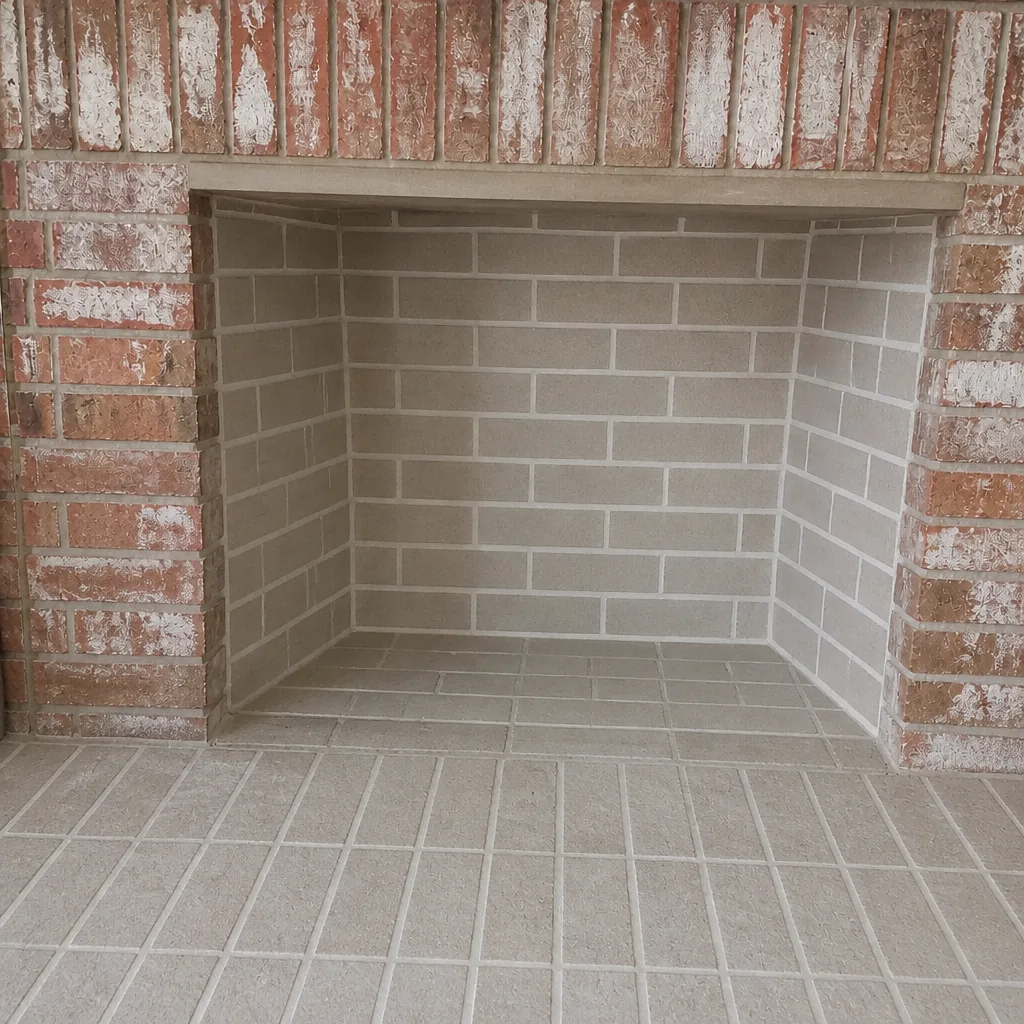
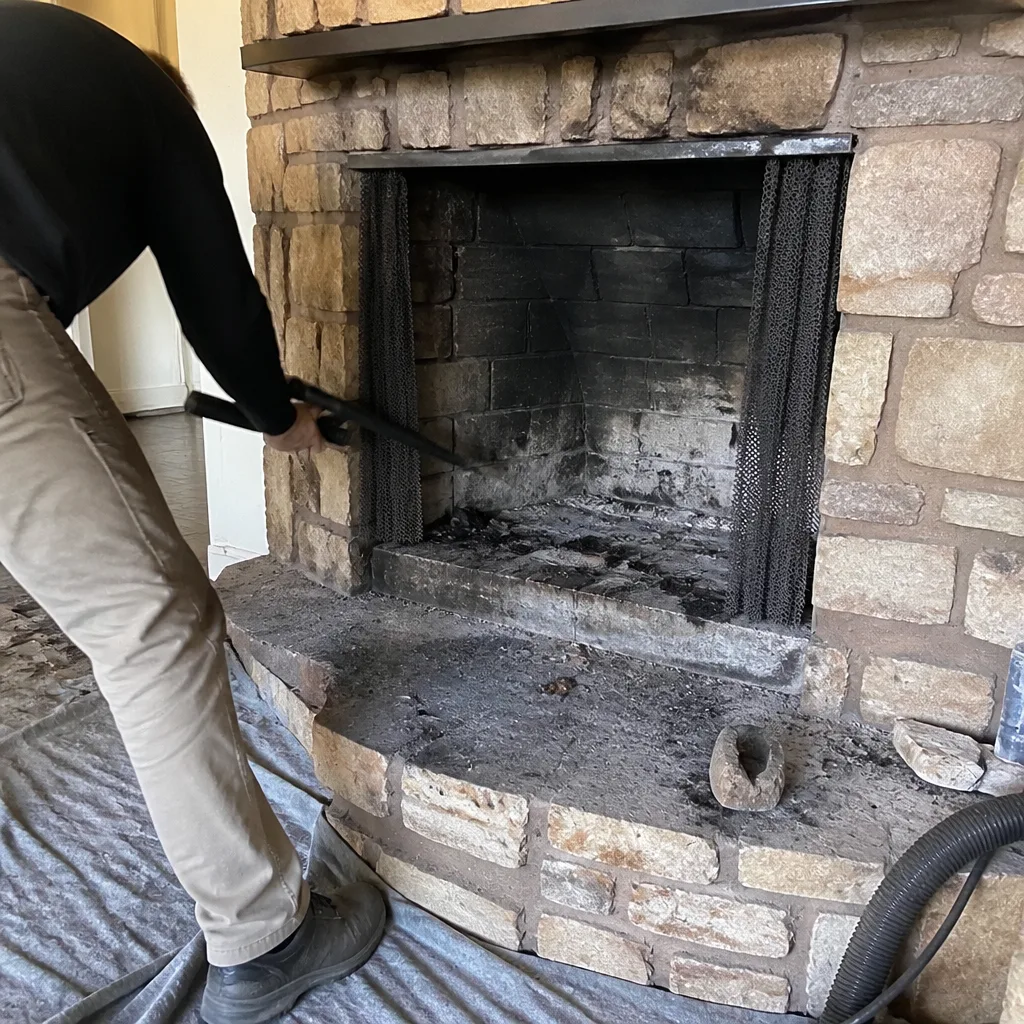
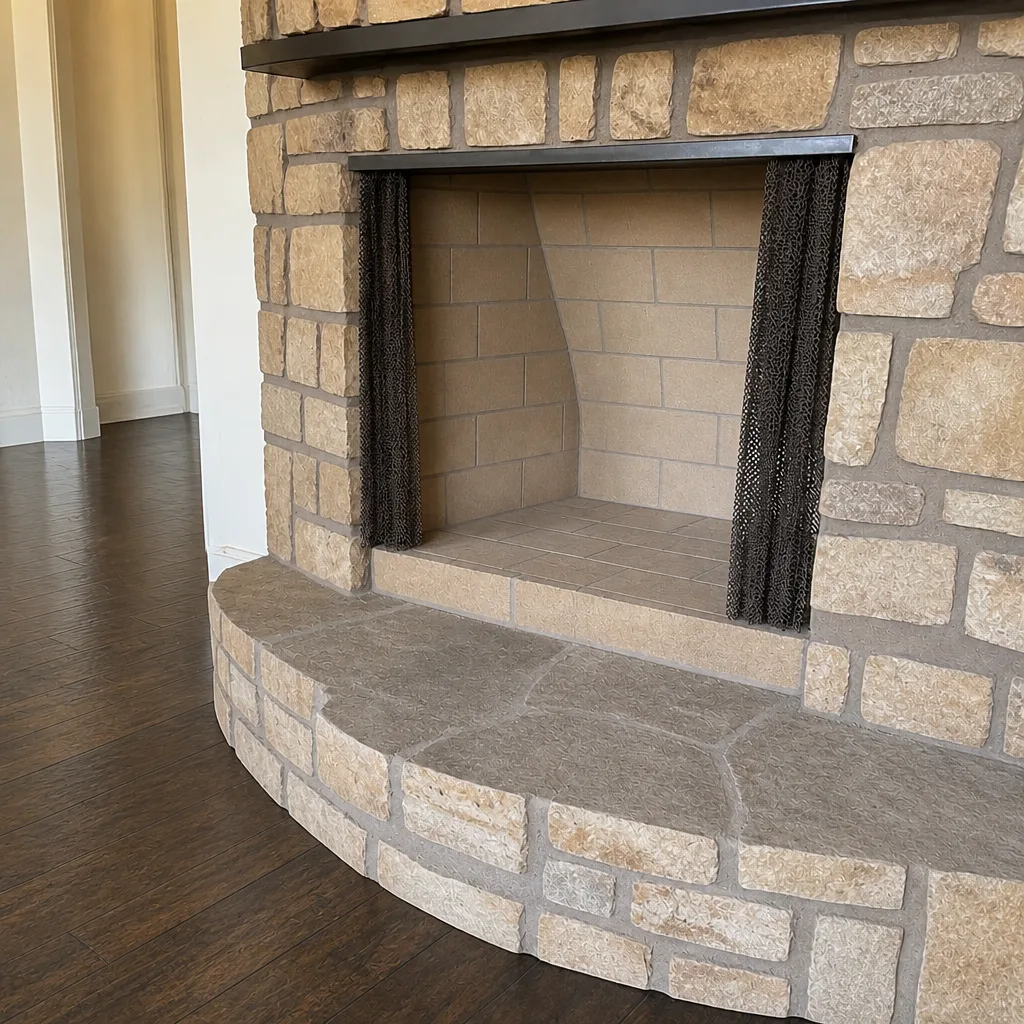
See the difference
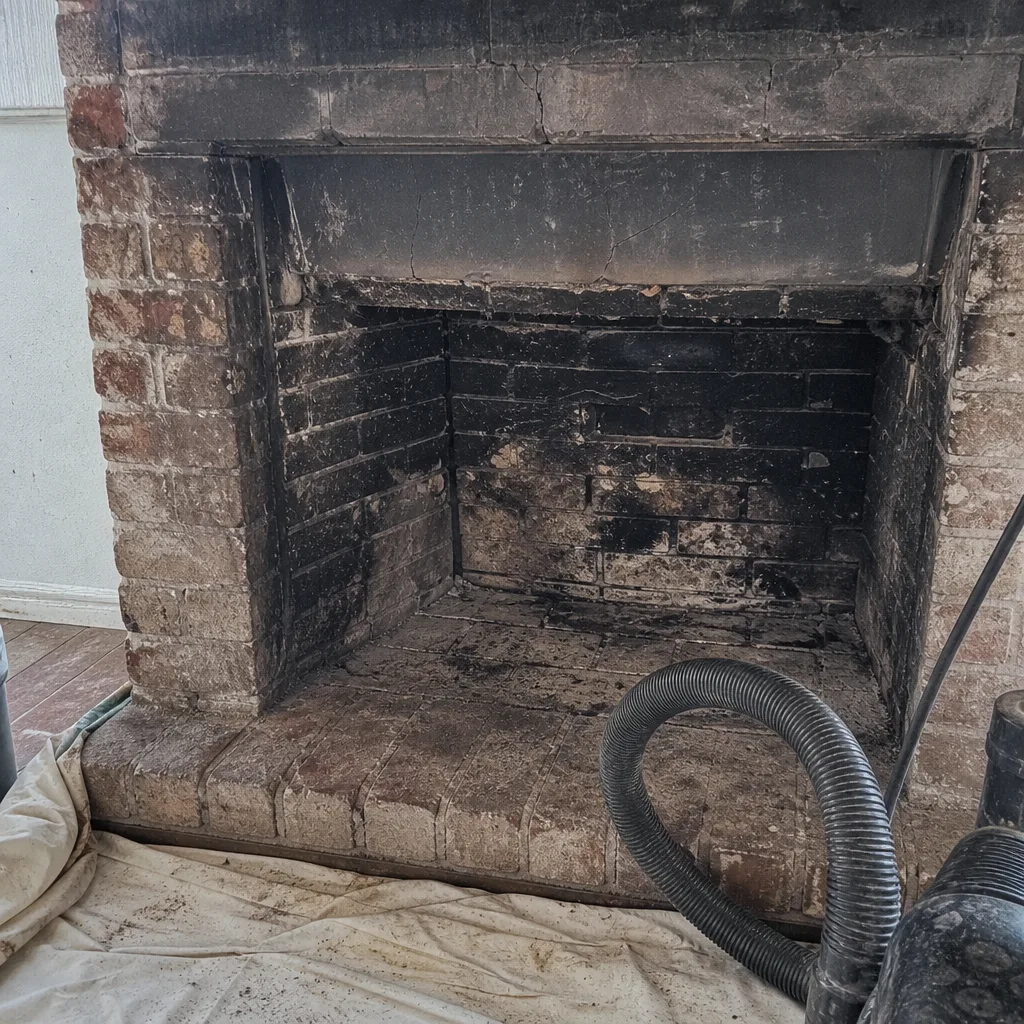 Before
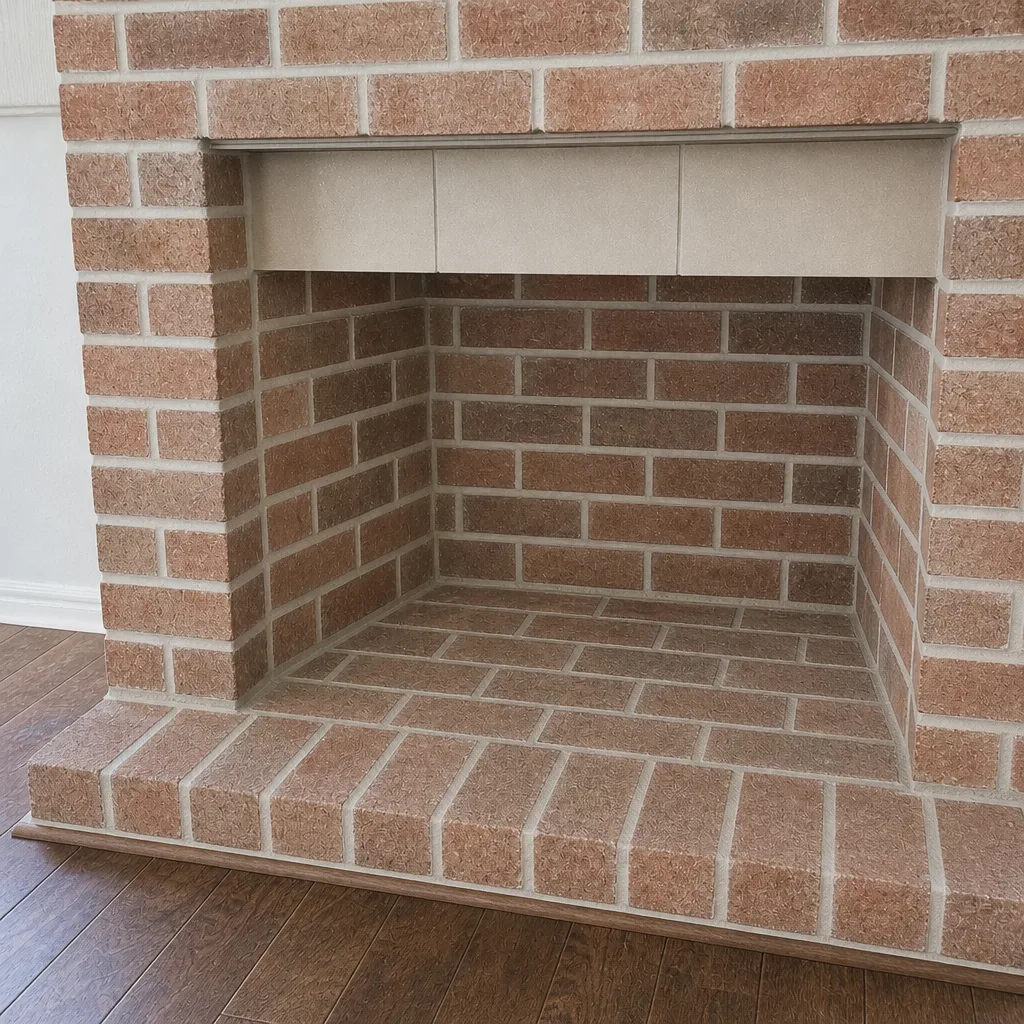 After
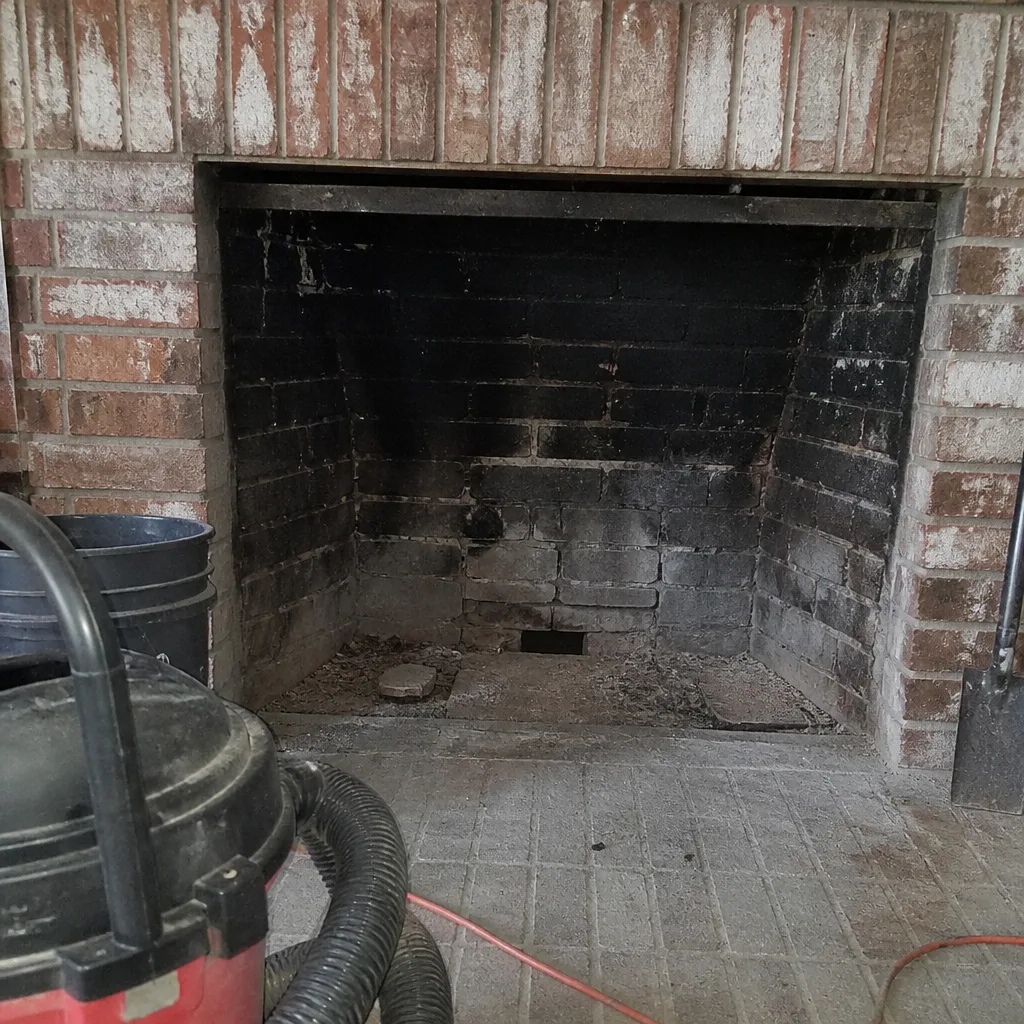 Before
 After
 Before
 After
When to Call a Professional
Some tasks are homeowner checks. Others genuinely need a trained technician, and it’s worth being clear about the line. Call a professional if you’ve just bought a home and don’t know the chimney’s history, if it’s been more than a year since the last inspection, or if you’ve had a chimney fire of any size. Call if you notice smoke spilling into the room, a strong odor, visible cracking in the firebox or crown, or water getting in. Call if your gas insert’s venting has never been checked, or if you’ve changed the appliance or fuel type. And call if a homeowner check turns up something you can’t evaluate safely from the ground.
Mesquite Chimney Sweep offers free estimates in Mesquite. Call (833) 246-4886. We answer 24/7. Fast dispatch from 7am to 7pm, Sunday through Friday.
Frequently Asked Questions
Late summer, ideally August, is the best time to schedule a chimney sweep and inspection in Mesquite. Animals have vacated by then, summer moisture damage is fully visible, and you beat the October and November backlog so any repair can be finished before the burn season. Call (833) 246-4886 for an exact quote; estimates are free.
Once a year is the baseline for most homes, timed to the front of the burn season. If you burn frequently or use the fireplace heavily, creosote can build faster, and a mid-season assessment in December or January tells you whether an extra sweep is warranted. Call (833) 246-4886 to book a sweep and we’ll assess buildup directly.
A Level 1 is the annual check of the readily accessible parts of the chimney and venting, and it’s what most Mesquite homeowners need each year. A Level 2 is more thorough and is called for after a home purchase, a chimney fire, a change in appliance, or a severe storm. Call (833) 246-4886 if you’re unsure which you need.
Yes. A gas fireplace or insert vents through the chimney, and the venting needs an annual inspection just like a wood flue. A blocked or disconnected vent is a carbon monoxide concern, so it belongs on the same yearly schedule. Call (833) 246-4886 to have your gas insert inspected alongside your wood system.
Creosote keeps building, small cracks go unnoticed, and problems that would have been a simple repair turn into larger ones. Skipping doesn’t cause damage on its own, but it removes the early warning that keeps a chimney safe to use. Call (833) 246-4886 to get back on schedule; estimates are free.
Look at the cap and crown from the ground after storms, confirm the damper moves freely, and shine a light into the firebox to check mortar joints. Those visual checks catch change early. Anything that looks wrong beyond that is worth a professional look: call (833) 246-4886.
The Bottom Line
A chimney sweep is the minimum, but the month you choose and the sequence you follow decide whether it protects your home or just checks a box. Build your year around Mesquite’s real burn season: book the inspection in August, complete any repairs in September, lubricate the damper in October, and watch the draft through November and December. Do the quick homeowner checks after spring hail and again mid-winter, and put your gas insert on the same schedule. Keep the professional Level 1 and sweep yearly, and escalate to a Level 2 whenever the home or the chimney changes. That’s the whole calendar, and it takes less effort than it sounds.
At Mesquite Chimney Sweep, we handle the sweep, the inspection, and the repair as one accountable team, with professional-grade parts from brands like HeatShield, Gelco, Olympia Chimney and Famco. One call covers the whole cycle, and every recommendation comes with what we found and why it matters.
Call (833) 246-4886 for a free estimate. We answer 24/7. Fast dispatch from 7am to 7pm, Sunday through Friday.
Written by the team at Mesquite Chimney Sweep.