
Last updated November 16, 2026
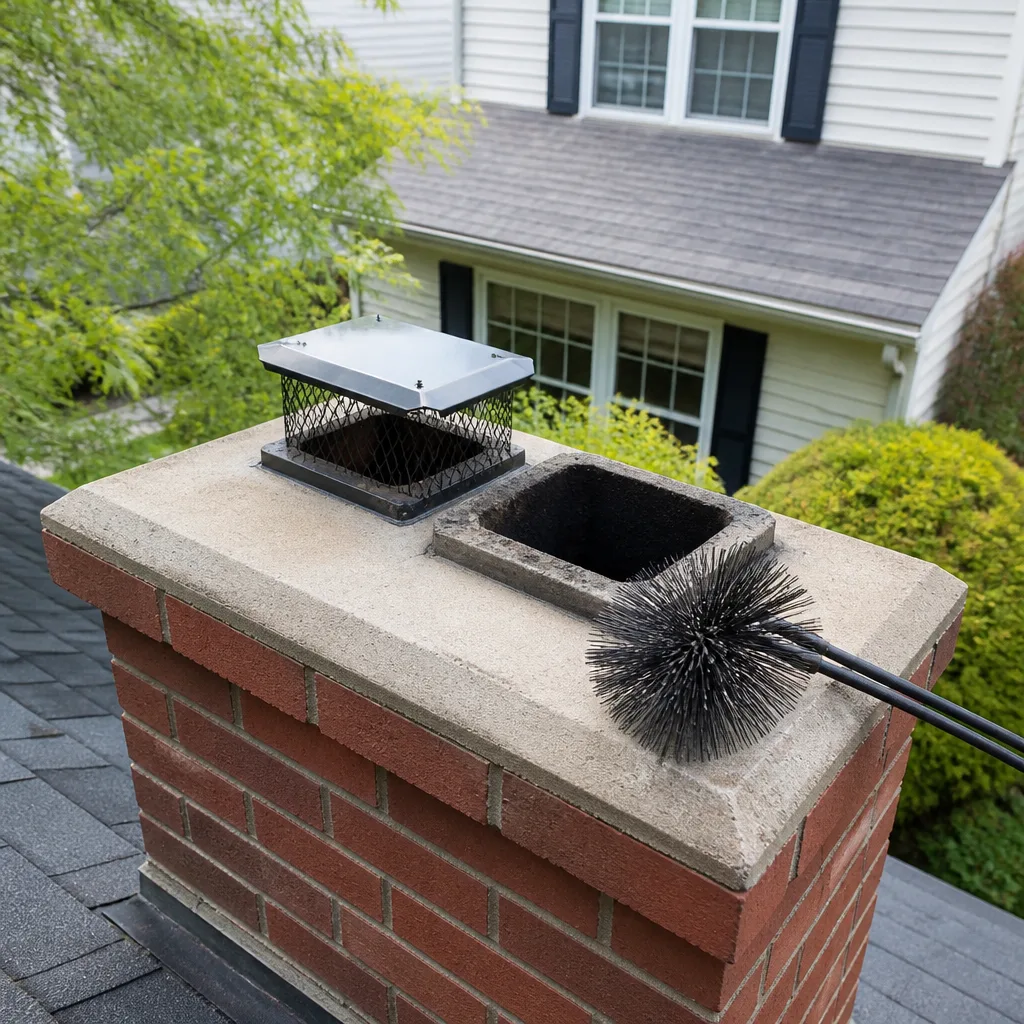 Sweep & inspection
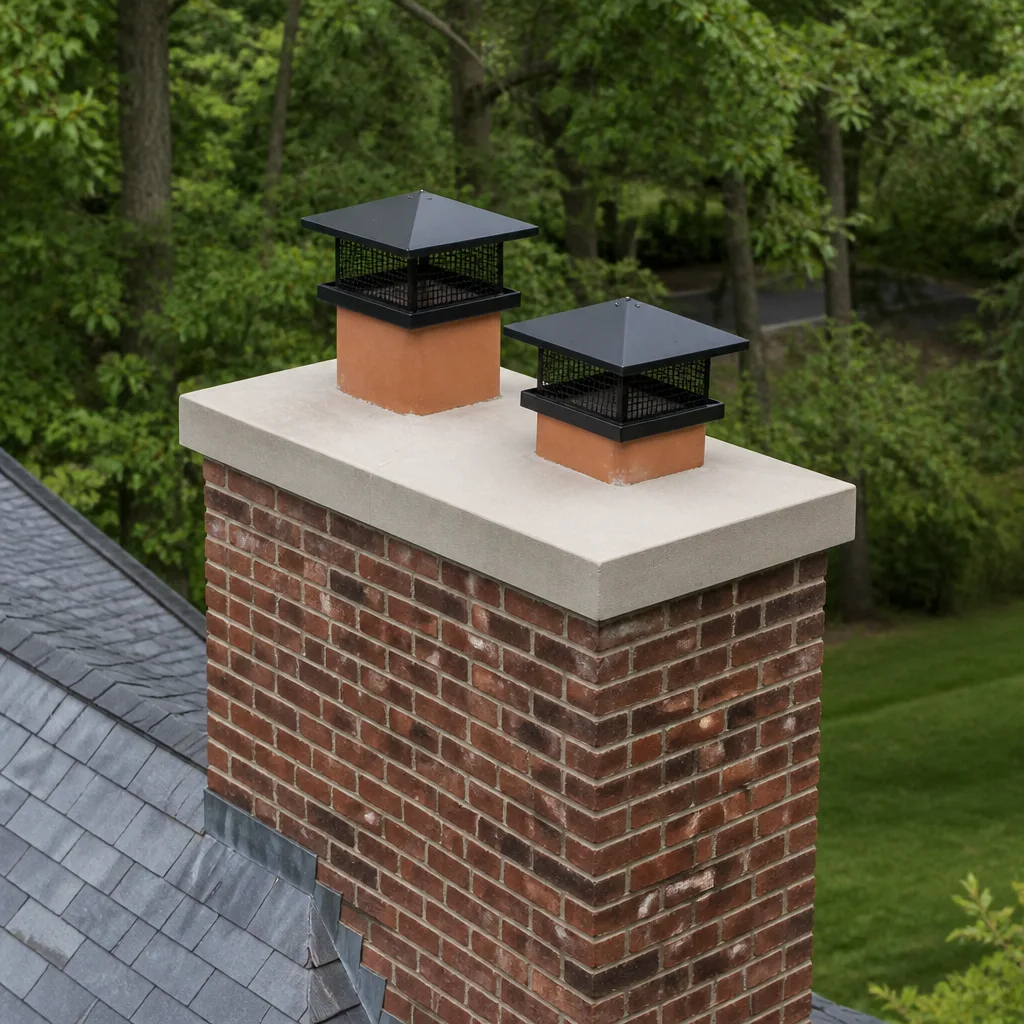 Caps & crowns
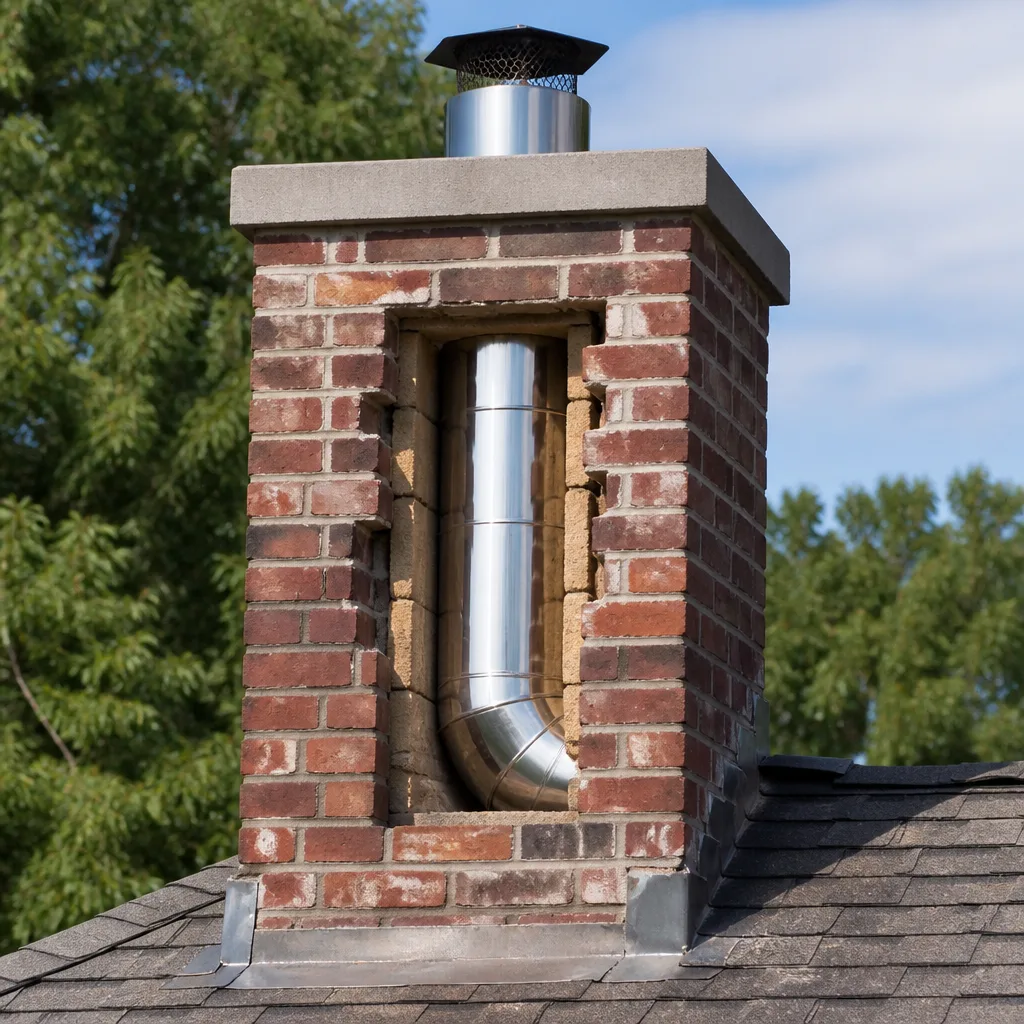 Flue relining
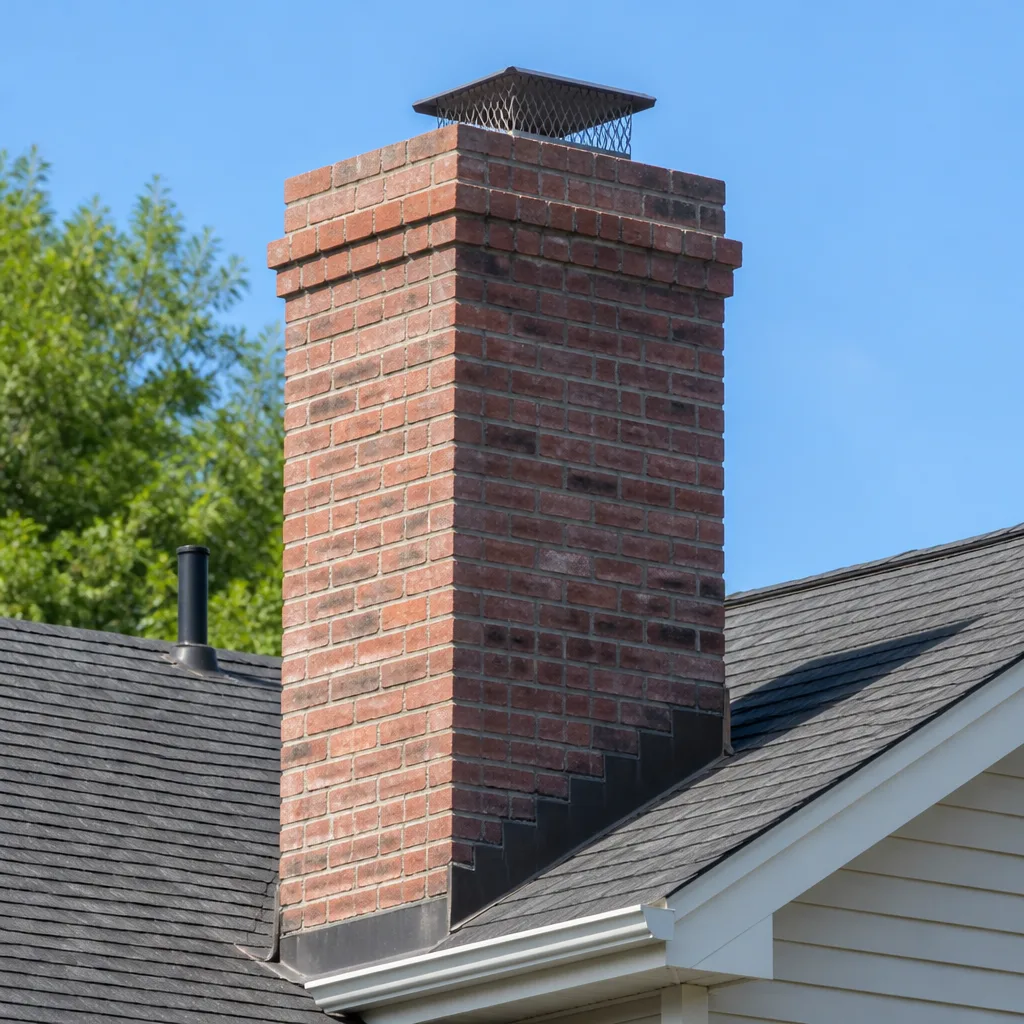 Masonry repair
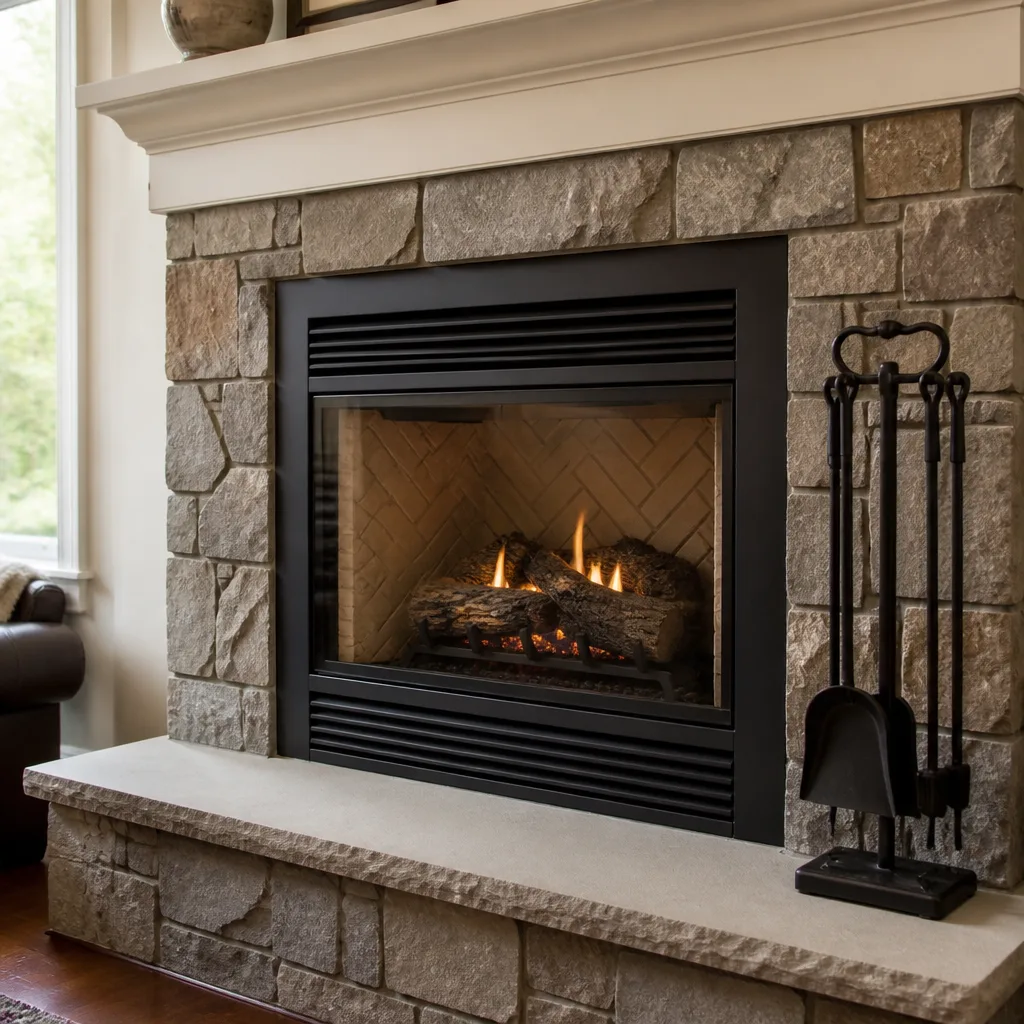 Gas fireplace service
Level 1 sweep and inspection to the NFPA 211 annual standard - flue, crown, cap, and flashing checked and photographed
Chimney sweep logs do not sweep chimneys. They loosen some creosote - which then falls where a brush and vacuum still have to collect it.
Chimney Cleaning Permits, Codes & Inspections in Mesquite, TX: What You Need to Know
Here’s the part that surprises most people: a basic chimney cleaning in Mesquite usually doesn’t require a permit. The liner replacement that cleaning so often uncovers? That’s a different story. Homeowners tend to find out about the gap at the worst possible moment, either during a home sale inspection or after an insurance adjuster starts asking for documentation. The work was done, the money was spent, but there’s no paper trail showing it was ever reviewed by the city. This guide walks through exactly where the line sits between maintenance and permitted work, what the codes actually require in Texas, how the inspection process works when a permit is pulled, and how to check the history on a home you’re buying.
Quick Answer
Routine chimney sweeping and inspection don’t require a City of Mesquite building permit because they’re classified as maintenance, not construction. Structural chimney repairs, relining, and flue resurfacing do typically require a permit, and the work needs to meet the International Residential Code (IRC) Chapter 10 and NFPA 211 standards. Mesquite follows the state-adopted IRC with local amendments, so the permit threshold and inspection sequence follow Texas municipal practice rather than a separate city code.
Styles & brands we work with
- Sweep & inspection
- Caps & crowns
- Flue relining
- Masonry repair
- Gas fireplace service
Table of Contents
- Which chimney services in Mesquite require a permit and which don’t
- NFPA 211 and IRC Chapter 10: how the codes apply in Texas
- What insurance companies want to see for chimney claims
- The permit inspection: city inspector versus CSIA sweep
- How to verify prior chimney work on a home you’re buying
- Chimney work in Mesquite’s older housing stock
- When to call a professional
- Frequently asked questions
Which Chimney Services in Mesquite Require a Permit
The dividing line in Mesquite and most Texas cities comes down to whether the work changes structure or function. Sweeping removes creosote and debris. That’s cleaning. Lining a flue changes the interior geometry and the venting characteristics of an appliance. That’s construction. A building permit is usually required on the construction side.
Here’s how the categories break down for a typical Mesquite home:
- Usually no permit: chimney sweeping, Level 1 visual inspection, cap replacement on an existing crown, damper hardware replacement, and routine maintenance on a firebox that isn’t being rebuilt.
- Usually requires a permit: full relining (including flexible liner installs), flue resurfacing with a cast-in-place ceramic system, firebox reconstruction, masonry repair that affects structural integrity, and any change to the chimney’s height or exterior dimensions.
- Case by case: crown repair, flashing replacement, and chimney chase cover replacement. Whether these cross into permitted territory depends on how much masonry or structural framing is touched.
When we look at a chimney in Mesquite, we don’t quote a permit decision from the driveway. The inspection tells us what’s actually happening inside the flue, and that drives whether a permit is in order. Our chimney repair scope always starts with that determination, because pulling a permit isn’t paperwork for paperwork’s sake. It’s what makes the work recordable and verifiable later.
For the basic cleaning side, no permission slip from the city is needed. A chimney sweep in Mesquite can walk in, clean, inspect, and leave a written report the same visit.
NFPA 211 and IRC Chapter 10: How the Codes Apply in Texas
Texas doesn’t maintain a standalone chimney code. Instead, the state adopts the International Residential Code with amendments, and local municipalities like Mesquite enforce it through their building departments. IRC Chapter 10 covers chimneys and fireplaces, and it references NFPA 211 by incorporation. NFPA 211 is the standard for chimneys, fireplaces, vents, and solid fuel-burning appliances.
In practical terms, that means when a Mesquite permit is pulled for chimney work, the inspector evaluates the installation against IRC Chapter 10 as the primary check, with NFPA 211 as the technical reference underneath it. The parts that come up most often:
- Clearance to combustibles. IRC Chapter 10 sets minimum air space between the chimney and framing or insulation. The most common failure we see is a liner installed too close to wood framing without the required clearance or proper shielding.
- Liner continuity. The liner must run the full length of the flue without breaks, joints that could leak, or terminations short of the crown.
- Termination height. The chimney must extend the required distance above the roof and above any nearby roof surface within a specified radius.
- Appliance connection. The connector pipe from a stove or fireplace insert to the flue has to meet specific standards for slope, support, and clearance.
- Cap and crown. The cap has to keep out water and animals without blocking the draft. The crown has to shed water away from the flue.
Local amendments in the Mesquite area largely follow the standard IRC enforcement model with some administrative adjustments for permitting and inspection scheduling. We always tell homeowners to check with the City of Mesquite building department for anything on the edge, but for the everyday cases, IRC plus NFPA 211 is the framework the inspector will use.
Understanding these requirements is different from knowing which product meets them. That’s where the material choice matters. Systems from Olympia Chimney and DuraFlex are engineered to specific UL listings and clearance tables, and the manufacturer’s installation instructions become part of the code compliance picture. We name the brands we use because materials matter as much as labor. A permitted job with the wrong liner is still the wrong job.
What Insurance Companies Want to See for Chimney Claims
Chimney fire claims from an insurance perspective often turn on one question: was the chimney maintained and was any prior work done to code? If the answer is unclear because the work was never permitted or documented, the claim gets harder to settle. Sometimes it gets denied.
Insurers typically look for two things when a chimney-related claim comes through:
- Maintenance records. A current inspection and sweep report showing the chimney was in serviceable condition. Many policies don’t require annual sweeping, but the adjuster will ask.
- Documentation for prior work. If a liner was replaced, a firebox was rebuilt, or a stove was installed, the adjuster wants to see the permit history and the closed-out inspection record. A permitted job has a paper trail. An unpermitted one doesn’t.
The insurance angle is one reason we push for permits on the repair side. Mesquite homeowners who go through the city process get a permit number and a final inspection record they can pull years later. That’s a durable piece of evidence. If a claim comes up, they can hand over the file, and the adjuster can verify the work against the code version that was in effect at the time.
One caveat to understand: permits don’t automatically protect you from a denial. A permitted chimney can still fail if it’s not maintained. The permit record documents that the work met the requirements at installation. Ongoing sweeping and inspection documents that it stayed that way. Both matter, and they serve different purposes on a claim.
If you’ve had prior chimney work and aren’t sure whether it was permitted, we can help by inspecting what’s actually there and identifying whether the installation matches what an inspector would have approved.
The Permit Inspection: City Inspector Versus CSIA Sweep
When a chimney repair permit is pulled in Mesquite, the homeowner ends up with two distinct inspections, sometimes three if the work is substantial. Each one checks different things. Understanding the split is useful because it explains why a clean bill of health from a sweep and a clean bill of health from the city are two separate passes.
Here’s how the pieces typically fit together:
- Rough-in inspection. The city inspector checks the structural work before it’s closed in. Clearances to combustibles, liner attachments, and framing are visible at this stage. This is the inspection an unpermitted job never gets, and it’s why unpermitted liner work is so often problematic when it’s finally opened up.
- Final inspection. After the work is complete, the city inspector verifies the finished installation against the permit and the applicable code edition. Termination height, cap installation, and completeness of the repair are checked.
- CSIA-style chimney inspection. A certified chimney sweep inspects the appliance end: the flue surface, the firebox, the damper, the smoke chamber, the connector pipe, and the draft performance. The severity of any creosote buildup, the condition of the flue liner from the inside, and signs of previous fire are all part of this inspection.
Those are two very different jobs. The city inspector focuses on the installation being legally and structurally correct. The sweep focuses on whether the chimney is safe to burn in and whether any maintenance is overdue. You can pass one and fail the other, or in the reverse, and neither result is a commentary on the other.
Our own inspections follow the three-level framework (Level 1, Level 2 with camera, Level 3 if a hidden space needs to be opened). The Level 2 includes a video camera scan of the interior flue, and we deliver a written report with photos of what we found. For homeowners navigating a permit process, that report often provides the documentation the city inspector doesn’t collect but the insurance carrier will want later.
We cover the full chimney service cycle in-house, so a permitted repair doesn’t have to be handed off to a separate inspection vendor. One call covers the sweep, the inspection, and the repair. That continuity matters when a permit is involved, because the documentation stays in one place.
How to Verify Prior Chimney Work on a Home You’re Buying
This is the scenario that trips up the most Mesquite buyers: the seller’s disclosure says the chimney was relined, but there’s no permit record. It’s not evidence the work was bad. It is a gap that needs to be closed before closing.
Here’s the sequence we recommend:
- Pull the permit history for the address. The City of Mesquite building department maintains permit records for any permitted work done on the property. Ask for the chimney permits specifically, and get the permit number and the final inspection date for each.
- Check the closeout status. A pulled permit that was never closed out is sometimes worse than a permit that was never pulled. It suggests the work may not have been completed, or was completed without a final inspection. Either result deserves a closer look.
- Request the inspection report from the last sweep. If the seller has a current chimney inspection, ask for the written report. If there isn’t one, this becomes a condition of the sale or a request to be made before closing.
- Have the chimney inspected anyway. Even with a permit on file, a fresh inspection on a home you’re buying closes the gap between what was permitted and what’s actually there today. The camera scan is what reveals whether the liner from a permitted job is still sitting where it should be.
- Document what you find. Keep the permit records, the inspection report, and the sweep report together in your home file. They’ll come up again, either at the next sale or after a claim.
If the seller says the work was done by someone “who knows chimneys” without a permit, that’s a real risk to price into the transaction. Unpermitted liner work in Mesquite homes we’ve opened up sometimes shows clearance failures, improperly joined sections, or missing components that a city inspector would have flagged at rough-in. The fix isn’t always expensive, but it’s not something to discover after the deed is transferred.
Chimney Work in Mesquite’s Older Housing Stock
Mesquite’s residential neighborhoods run the range from mid-century ranches to newer builds on the eastern edge of the city. Chimney permits come up more often in the older areas because that’s where masonry chimneys are more common and where the original work is more likely to be approaching the end of its service life.
Around neighborhoods like Casa View Heights, Mesquite Park, and the areas near downtown Mesquite, the chimneys we see typically date from the original build. That means they were constructed under code editions that predate some of the current IRC Chapter 10 requirements, particularly around clearances. When a repair or reline happens on one of these chimneys, the permitted work has to meet today’s code even if the original chimney was built to older standards. That’s not a reason to avoid the work, but it’s a reason to budget for the possibility that the liner upgrade involves clearances that need to be addressed too.
Newer construction in the eastern parts of Mesquite tends to have more factory-built fireplaces and prefabricated chimney systems. Those have their own manufacturer installation requirements, and the permit, when one is required, is usually easier to clear because the chimney system is documented. The trade-off is that factory-built systems have their own maintenance rhythm and shouldn’t be treated as low-maintenance just because they’re newer.
Mesquite’s mild winters mean the chimney isn’t in heavy daily use for months at a time, but that doesn’t mean creosote buildup is slow to happen. The pattern here is often one or two burns a week through the cool season, which is enough to build creosote gradually. Homeowners who assume the light use means the chimney doesn’t need a sweep until something goes wrong tend to find out otherwise.
See the difference
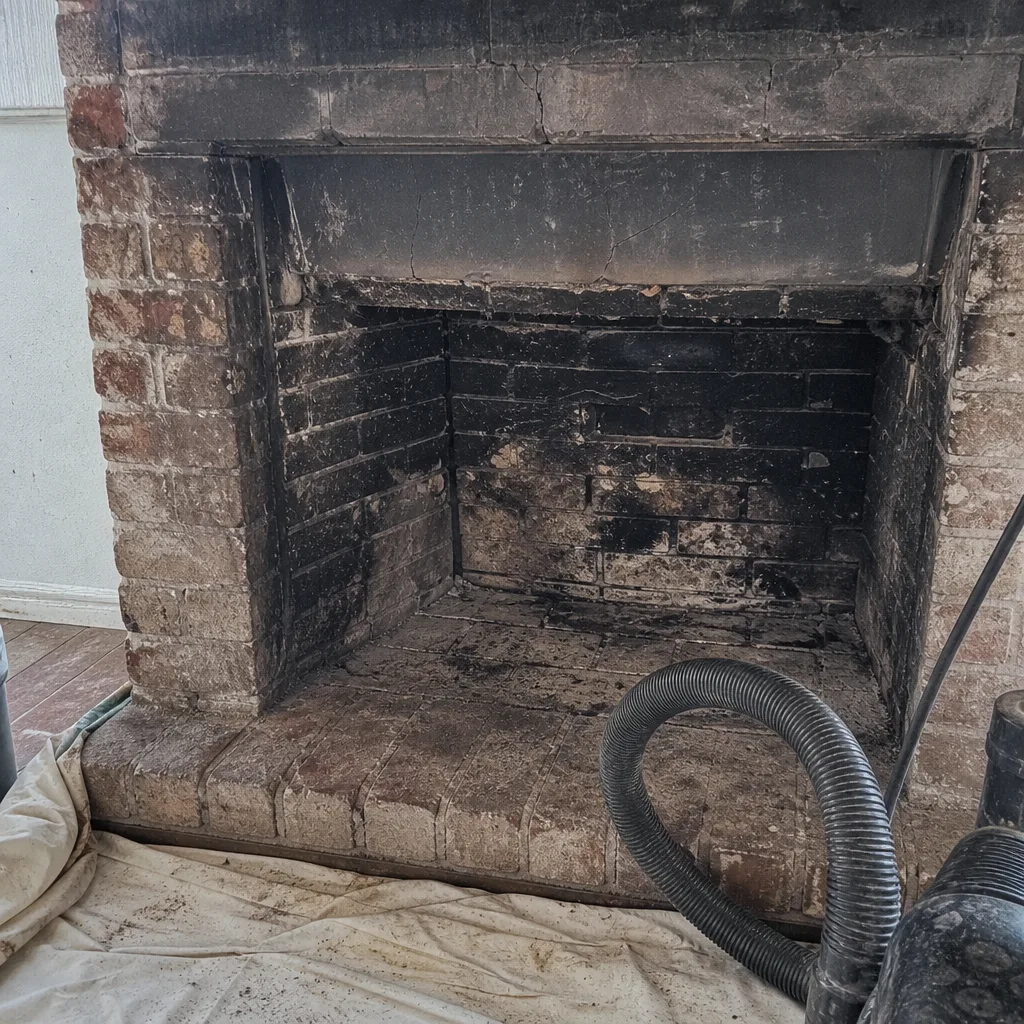 Before
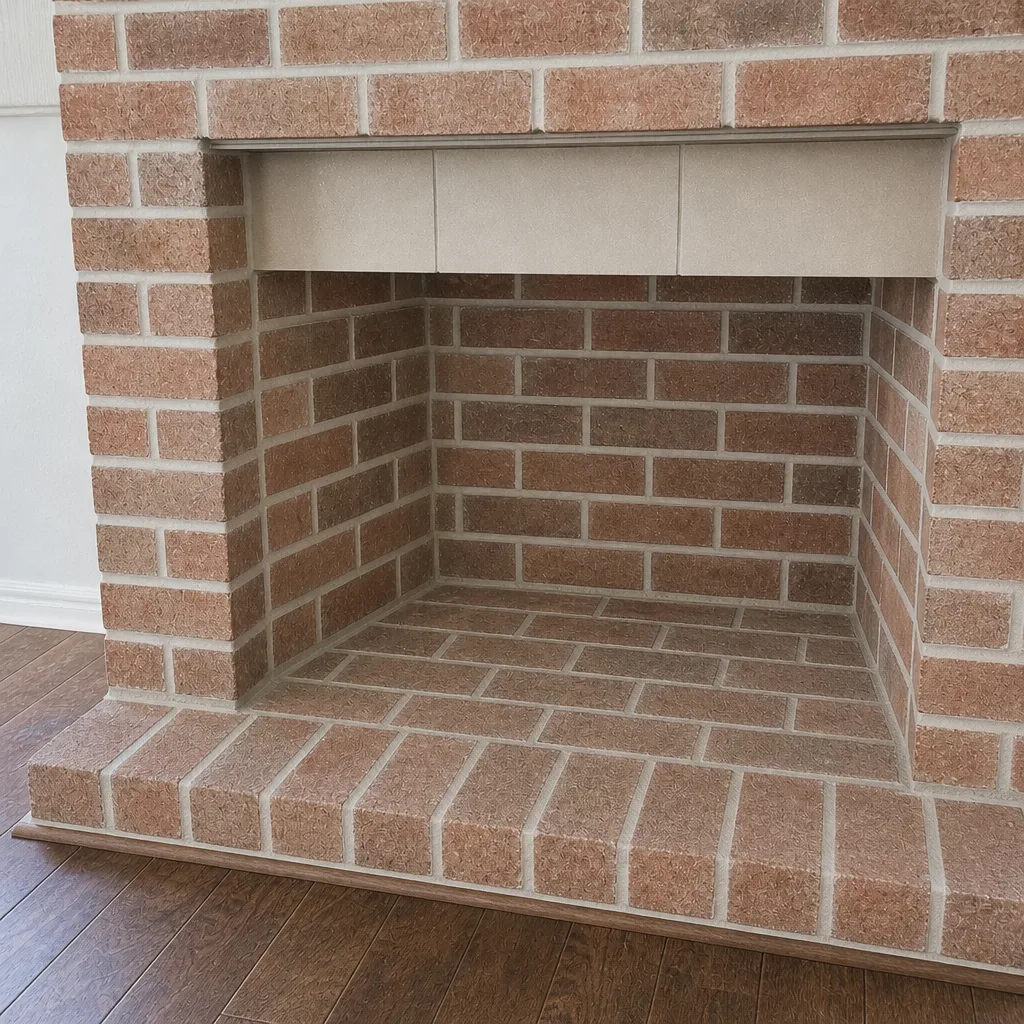 After
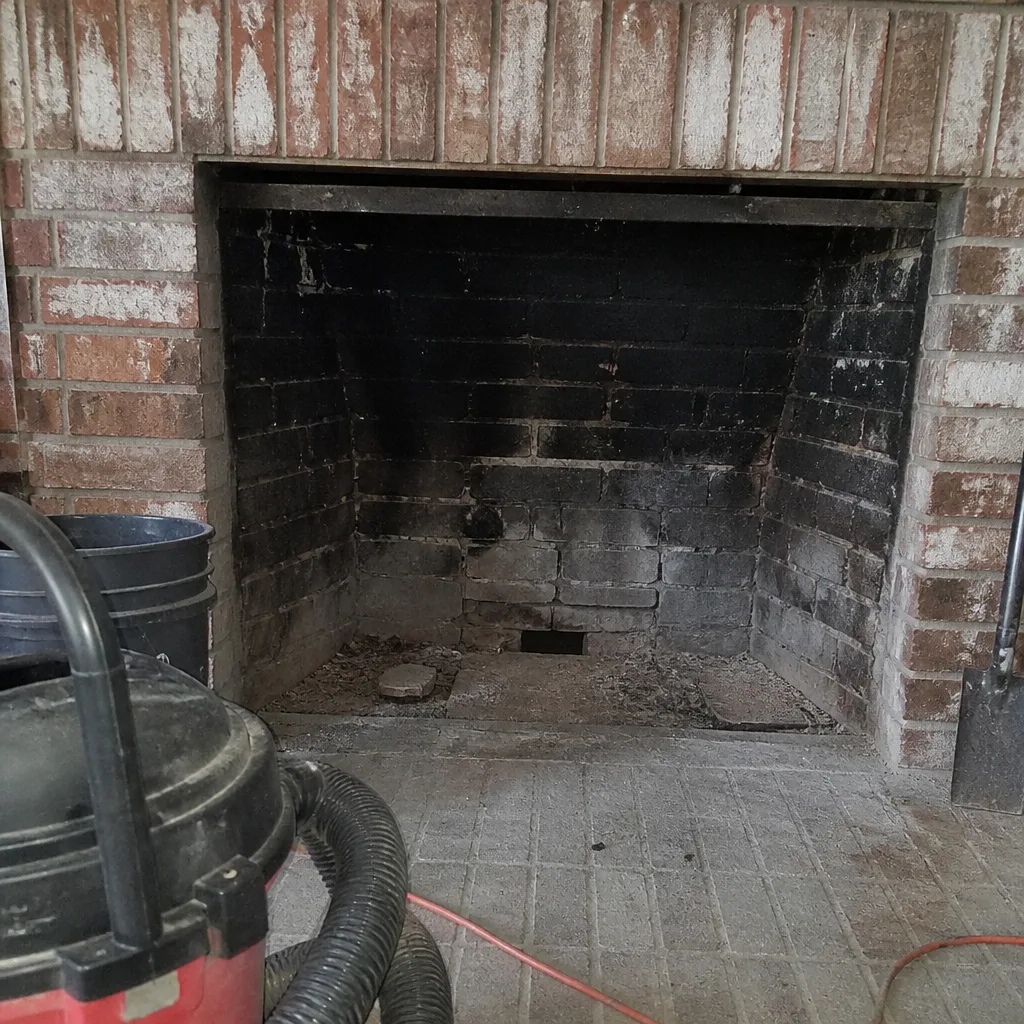 Before
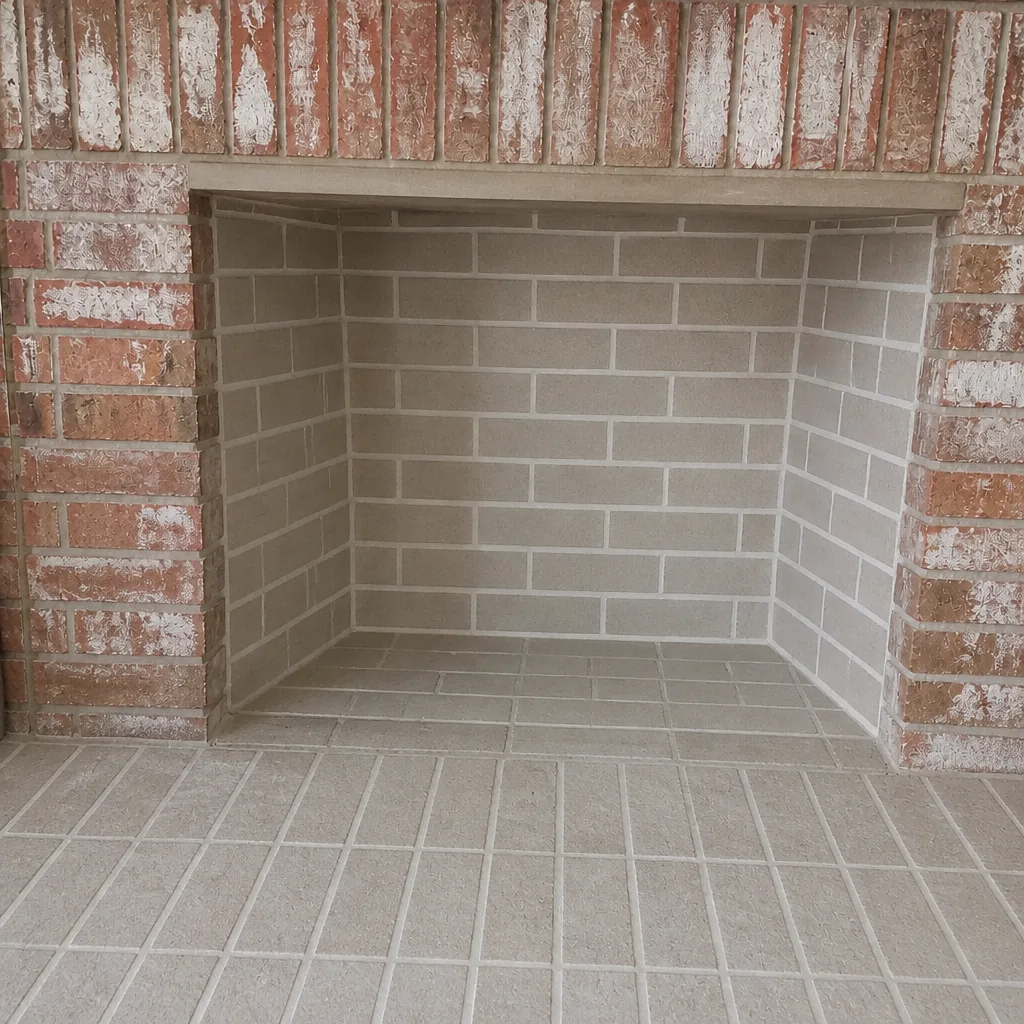 After
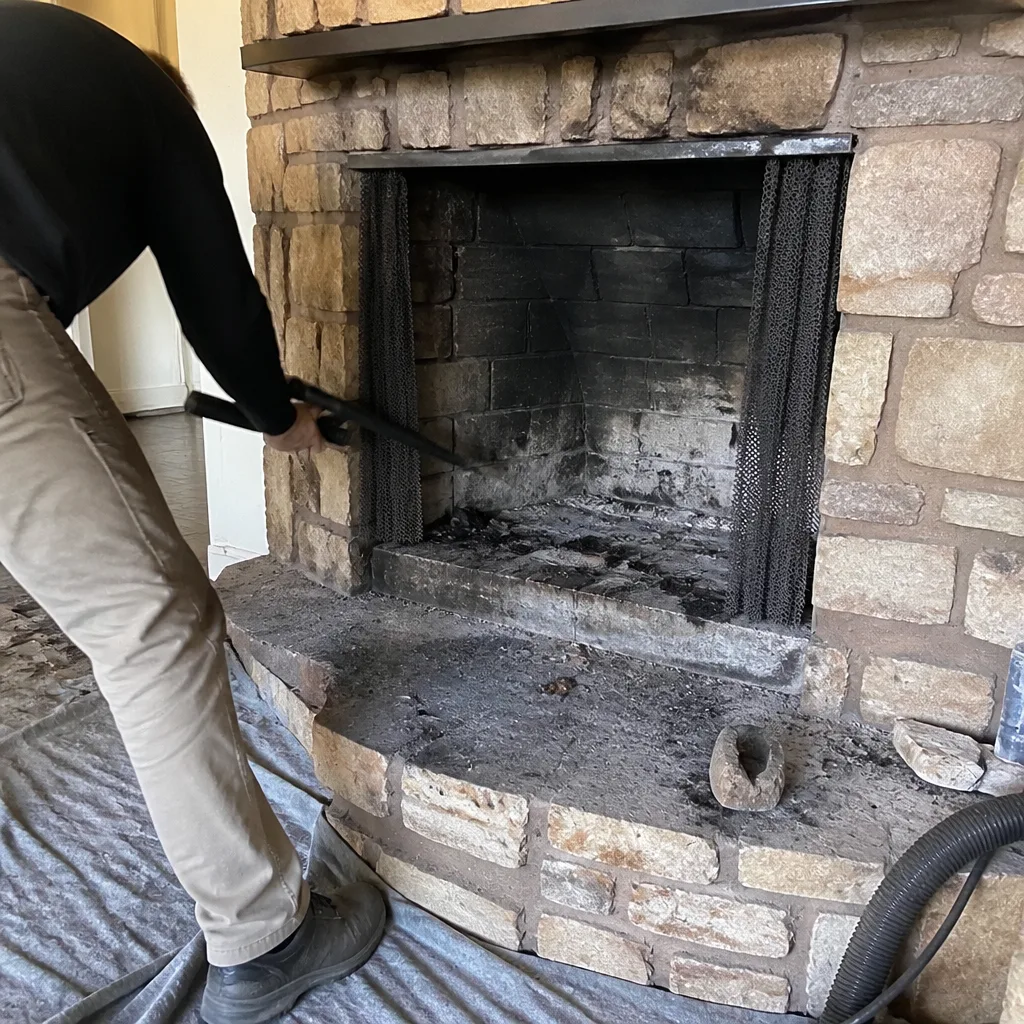 Before
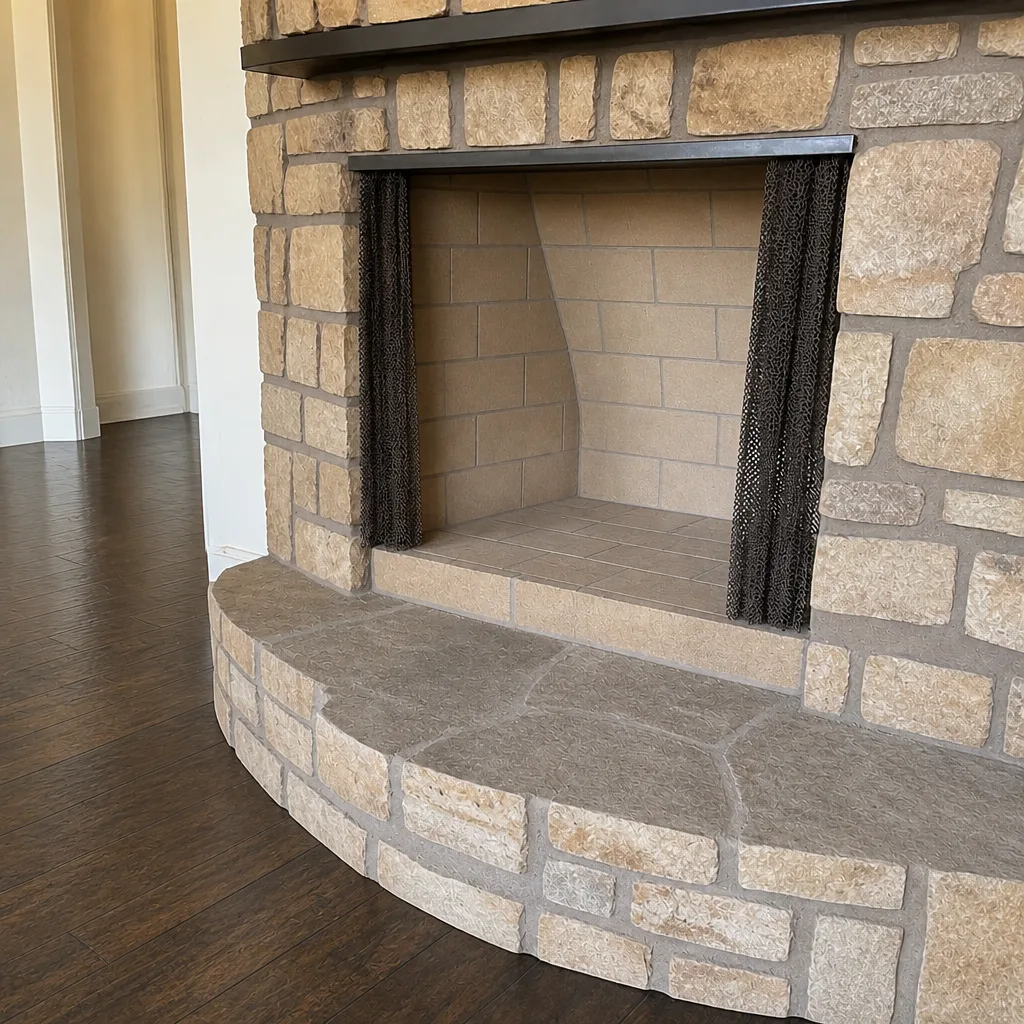 After
Common Mistakes to Avoid
- Assuming “the sweep said it was fine” covers the permit question. A clean inspection and a permit are different things. If a liner was installed during a sweep visit without a permit, the sweep’s stamp of approval doesn’t create a permit record. Always ask whether the work was permitted and by whom.
- Skipping the permit to save a bit of time. A liner replacement without a permit saves a few weeks but leaves the homeowner without documentation for insurance or resale. We’ve seen unpermitted work treated as “needs to be redone” by buyers, which can cost far more than the permit process would have.
- Ignoring the manufacturer’s installation instructions. Even a well-built liner can fail an inspection if it wasn’t installed to the manufacturer’s requirements. Gelco and Olympia Chimney systems have specific installation requirements, and the city inspector will look for compliance with those.
- Assuming new construction means no maintenance needed. Factory-built fireplaces in newer Mesquite homes still need sweeping and inspection, and their liners still need to be checked for damage. Age of the home is not a substitute for a level 1 or Level 2 inspection.
- Not closing out the permit. A permit that’s pulled but never inspected and closed out doesn’t provide the coverage homeowners think it does. Ask for the final inspection sign-off, and if it’s missing, follow up.
- Hiring a company that doesn’t discuss permits at all. If a repair quote never mentions permits, ask directly. A chimney contractor who can’t answer the permit question is signaling how they operate.
- Waiting until the chimney is actively failing. Sweeping and inspection are cheap relative to the cost of a rebuild. The point of the inspection is to catch the small things before they become permit-worthy structural repairs.
When to Call a Professional
Call us when a chimney repair crosses into permitted territory and you want an honest read on what’s actually required. Call us when you’re buying a Mesquite home with a chimney and want the prior work verified. Call us when you’ve had a chimney fire, however small, and need the flue checked before you burn again. Call us when draft issues, odors, or visible damage have you wondering whether you’re looking at a cleaning or a rebuild. Call us when you’ve never had the chimney inspected and don’t know where you stand.
Mesquite Chimney Sweep offers free estimates in Mesquite. Our technicians have up to 12 years of experience, and we work with HeatShield for cast-in-place flue restoration, DuraFlex for flexible liner installs, and systems from Gelco, Olympia Chimney, Famco, and Copperfield for the rest of the chimney assembly. We tell you exactly what we found, what it means, and what fixing it involves – and if the work needs a permit, we’ll tell you that plainly rather than skipping it. Call (833) 246-4886. We answer 24/7. Fast dispatch from 7am to 7pm, Sunday through Friday.
Frequently Asked Questions
No. Routine chimney sweeping is classified as maintenance, not construction, and doesn’t require a City of Mesquite building permit. Liner replacement, structural masonry repair, and flue resurfacing do usually require a permit. Call (833) 246-4886 for an exact quote – estimates are free.
A standard sweep is typically in the range of a routine maintenance visit, priced per job based on what we find and whether a camera inspection is included. The written estimate sets the final price before any work starts, and there’s no obligation until you approve it. Call (833) 246-4886 for an exact quote – estimates are free.
Yes, in most cases. A liner replacement changes the interior venting characteristics of the chimney, which is why Mesquite treats it as permitted construction. The permit protects you at resale and after an insurance claim, and the city inspection checks clearances and installation compliance that a cleaning visit won’t catch. Call (833) 246-4886 to discuss whether your specific repair requires a permit.
NFPA 211 recommends annual inspection, with sweeping as needed based on use and the type of fuel burned. A homeowner burning a few fires a week through the cool season often needs a sweep every one to two years, while heavier use calls for annual sweeping. An inspection tells you exactly where your chimney stands. Call (833) 246-4886 to book an inspection.
The buyer’s inspector will likely flag it, and the sale can stall while the work is either permitted retroactively or redone. Even if the work is fine, the missing documentation turns the chimney into a negotiation point. Getting it permitted before listing avoids that. Call (833) 246-4886 if you need a Mesquite chimney evaluated for a resale.
Yes. The City of Mesquite building department maintains permit records for the property, and you can request the chimney permits and the final inspection sign-off for each. If the work wasn’t permitted or the permit was never closed out, that’s a signal to have the chimney inspected before closing. Call (833) 246-4886 if you’d like a pre-purchase inspection scheduled.
The Bottom Line
Chimney cleaning in Mesquite doesn’t need a permit. Chimney repair and relining usually do. That single distinction is what separates a well-documented chimney from one that becomes a problem at closing or after a claim. The codes that apply are IRC Chapter 10 with NFPA 211 underneath, enforced by the city building department through the permit process. When a permit is pulled, the city inspector checks the installation and the sweep checks the appliance and flue. Both matter. If you’re buying a home with a chimney, pull the permit history before you sign. If you’re repairing one, permit it and keep the paperwork. The cost of doing it right is far less than the cost of discovering you didn’t.
Call (833) 246-4886 for a free estimate. We answer 24/7. Fast dispatch from 7am to 7pm, Sunday through Friday.
Written by the team at Mesquite Chimney Sweep.