
Last updated November 16, 2026
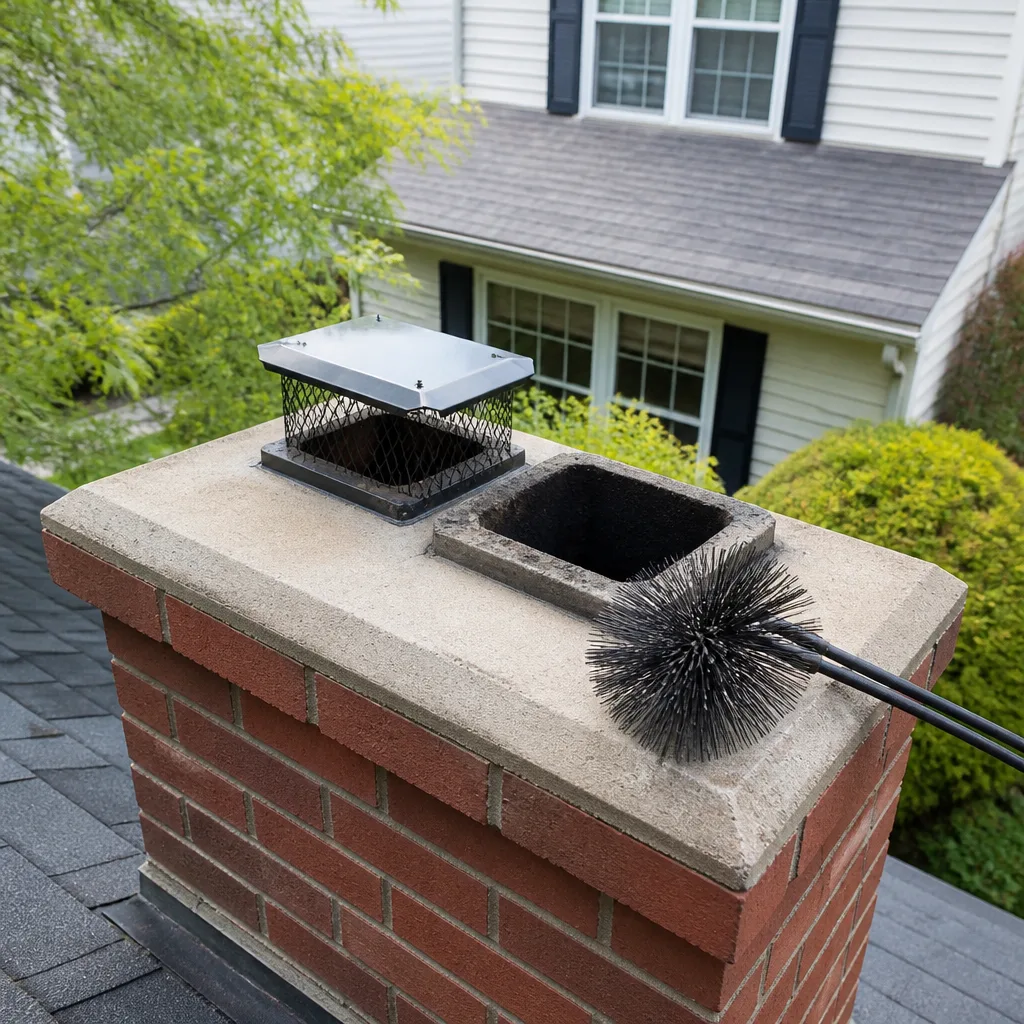 Sweep & inspection
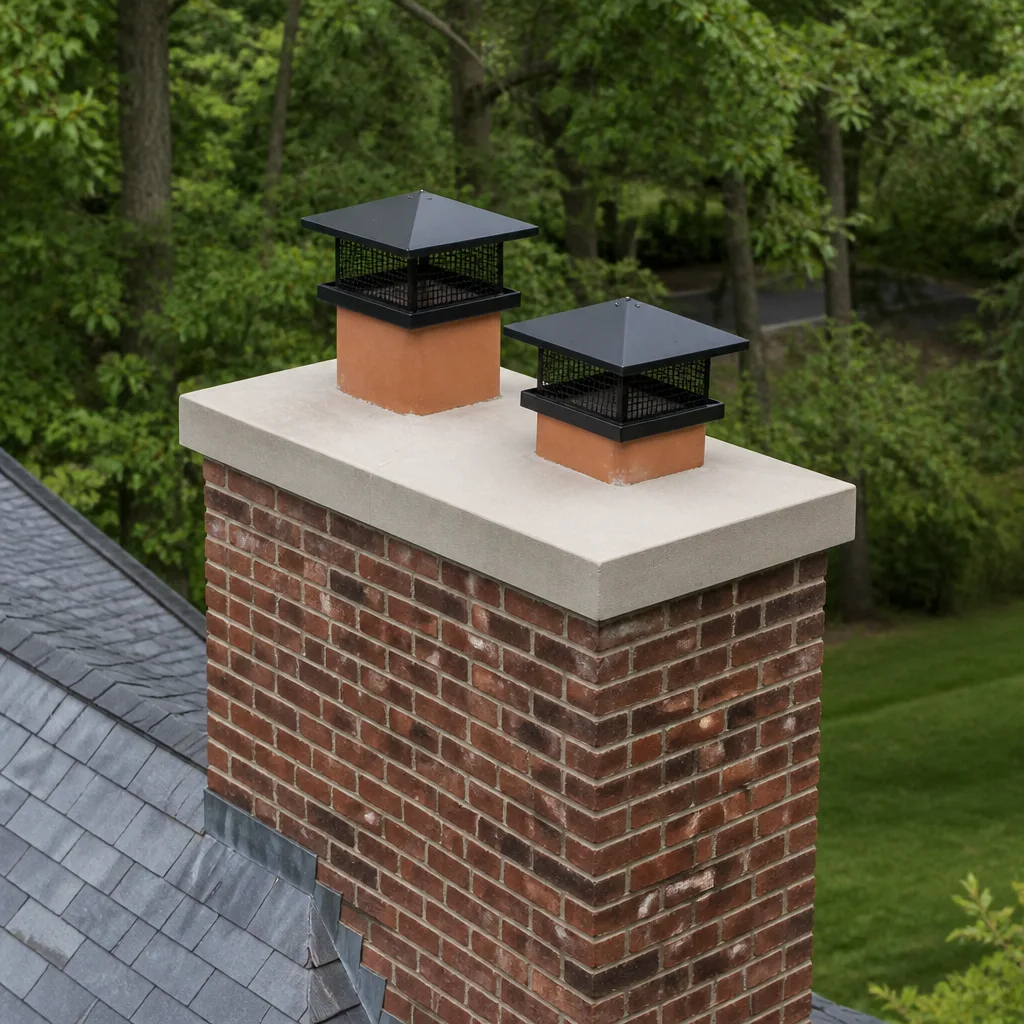 Caps & crowns
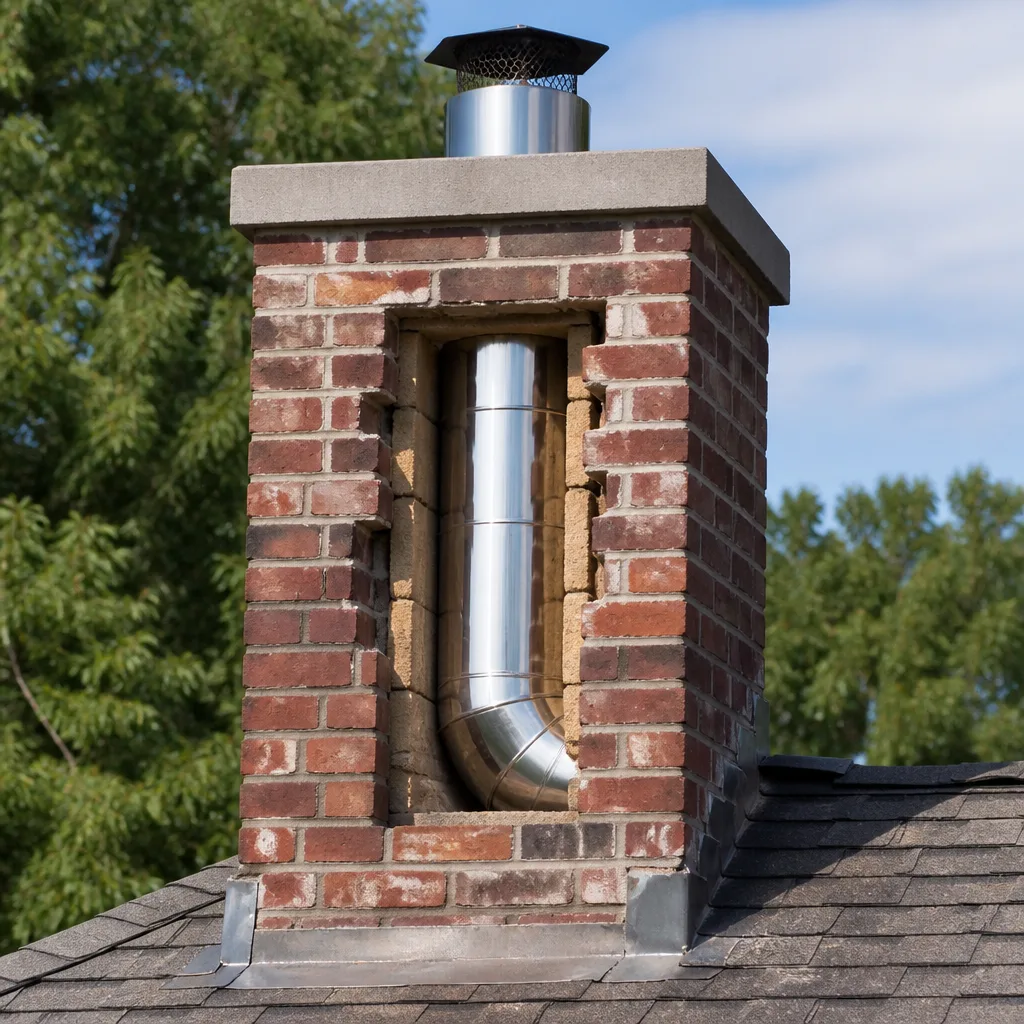 Flue relining
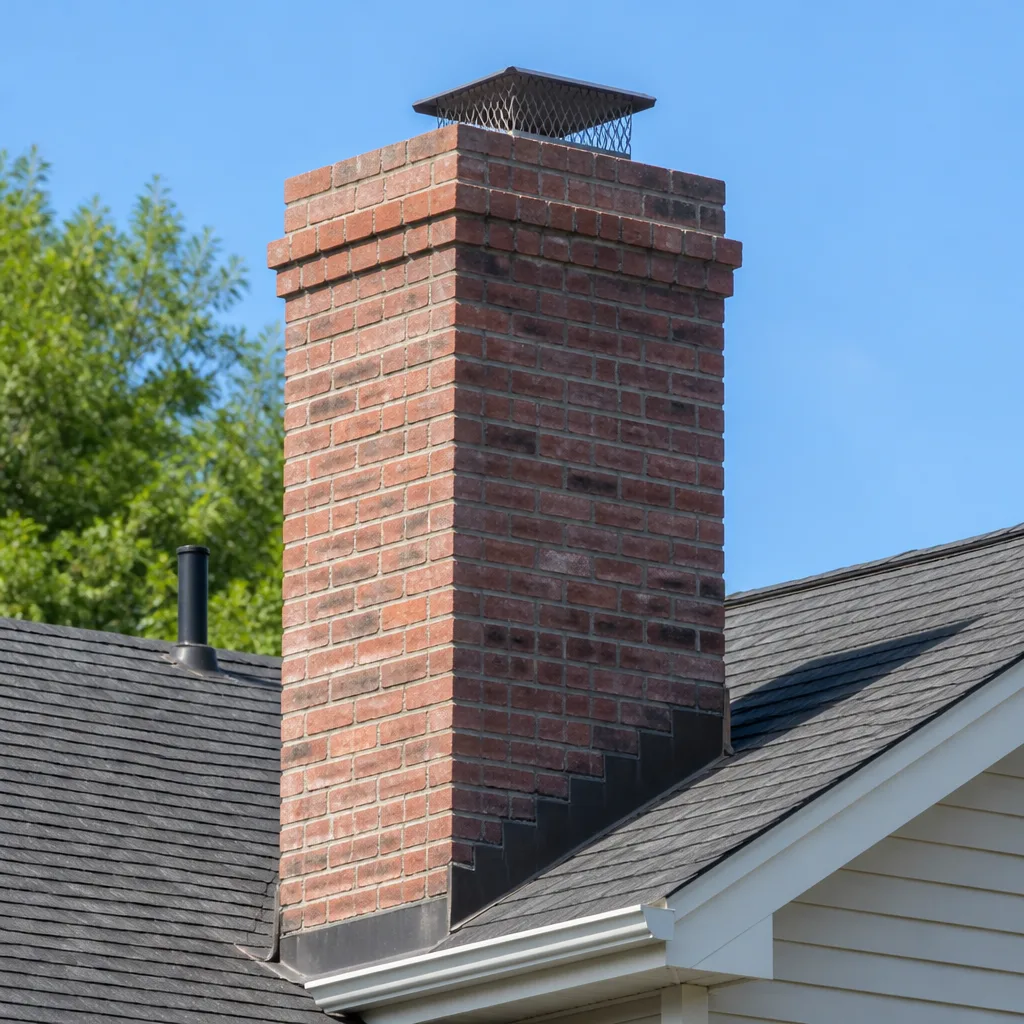 Masonry repair
 Gas fireplace service
Level 1 sweep and inspection to the NFPA 211 annual standard - flue, crown, cap, and flashing checked and photographed
Chimney sweep logs do not sweep chimneys. They loosen some creosote - which then falls where a brush and vacuum still have to collect it.
Chimney Cleaning Emergency Preparedness Guide for Mesquite Homes
Most homeowners think of a chimney fire as something loud and obvious, a wall of flame shooting from the top of the house. That’s the version people picture. In practice, the fire that does the most damage is often the quiet one, a low rumble you mistake for wind, a smell you blame on the neighbor’s grill, a faint pop you shrug off while the creosote inside the flue is burning at a temperature high enough to crack the clay tile into pieces. The fire department arrives and the flames get put out, but the structural damage is already done, and that’s what sets up the next fire to be the dangerous one. This guide is about the first two minutes: what to listen for, what to do in order, what not to do, and what has to happen before you ever light that fireplace again. If you burn wood in Mesquite, the time to read this is now, not mid-crisis.
Quick Answer
If you suspect a chimney fire, get everyone out of the house, call 911, and do not use water on a hot flue or attempt to fight a fire inside the chimney yourself. Once the fire department clears the scene, the chimney must not be used again until a Level 2 inspection confirms the flue, liner, and surrounding framing are intact, and any repair work that gets done should be documented for your insurance claim before it starts.
Styles & brands we work with
- Sweep & inspection
- Caps & crowns
- Flue relining
- Masonry repair
- Gas fireplace service
Table of Contents
- How do you tell if you’re having a chimney fire?
- What should you do in the first two minutes?
- Why a Level 2 inspection is required after a fire
- Carbon monoxide risks after chimney damage
- What to document for your insurance claim
- Which repairs require permits before work begins
- How to reduce creosote buildup before it becomes a fire
- What Mesquite homeowners should know about chimney risk
How do you tell if you’re having a chimney fire?
A chimney fire is not always visible from the outside, and the signs that matter most are the ones you hear and smell from inside the house. Learn them now so you recognize them under pressure. A hot, roaring fire burning in a flue that wasn’t that hot five minutes ago is the classic warning.
What to watch for from inside the home:
- Sound: A deep, low roar or rumbling in the chimney, often described as sounding like a freight train or a distant jet. It’s louder and more continuous than the normal crackle of a fireplace.
- Sound (secondary): A rapid popping or tapping from inside the flue, like someone knocking on a pipe. This is often the sound of the clay tile liner cracking as it heats.
- Smell: A sharp, acrid, chemical smoke smell that’s different from the normal wood smoke you’re used to. It can smell like burning tar or hot metal.
- Visible smoke: Puffs of black or dark gray smoke coming out of the top of the chimney, or smoke coming back into the room despite the damper being open. Smoke backing into the room is a serious warning the draft has failed.
- Visible heat: The metal of the fireplace surround or the wall above the firebox getting hot to the touch, or discoloration appearing on the wall or the chimney exterior. Painted surfaces can look scorched.
- From outside (if you can safely look up): Flames or sparks visible at the chimney crown, dense smoke, or a sound like a low-flying aircraft coming from the top of the chimney.
Not every chimney fire presents all of these. Sometimes you hear the rumble and nothing else. Treat any combination of these signs as an active fire until a professional tells you otherwise.
What should you do in the first two minutes?
The first two minutes are the only ones where your decisions actually change the outcome. In a chimney fire, the fire is inside the flue, not on the hearth, so the single most important shift in thinking is this: your job is not to put it out. Your job is to protect the people in the house and get the fire department on the way while you do it.
Follow these steps in this order:
- Move everyone outside. Get everyone out of the house and away from the chimney. Don’t stop to grab belongings. Don’t wait to confirm the fire is “real.”
- Call 911. Tell the dispatcher you believe you’re having a chimney fire. They’ll know what that means.
- Shut the damper if you can reach it safely, and close the glass doors or screen. This cuts off the air supply to the fire and limits the amount of smoke that can come back into the room. Only do this if it’s safe to approach the fireplace.
- Open the fireplace doors only if smoke is filling the room. If the room is filling with smoke and the damper is stuck, opening the doors increases oxygen to the fire but may be necessary to get everyone out. Get out first, then decide.
- Do not put water on it. Pouring water on a fire inside a hot flue can cause a violent steam expansion that cracks the liner and sends scalding steam and smoke back into the room. A chimney fire is not a campfire and doesn’t respond like one.
- Do not climb on the roof. People get seriously injured or killed trying to reach the chimney to drop something down it. Don’t.
- After the fire department arrives and clears the scene, do not relight the fireplace. That’s the most important line in this guide. See the next section.
Have this order in your head before you need it. If your family has never walked through it, walk through it tonight. It takes three minutes and it’s the difference between reacting and freezing.
Why a Level 2 inspection is required after a fire
A Level 2 inspection is the standard inspection after any chimney fire, and it is not the same thing as a routine sweep. A sweep clears creosote. A Level 2 inspection goes inside the flue with a camera and looks at the parts of the chimney you can’t see from the firebox or the roof. It’s the only way to know whether the chimney you’re about to use again is actually sound.
What a Level 2 inspection after a fire looks for:
- Cracked, spalled, or displaced flue tiles. The intense heat of a chimney fire is enough to fracture clay tile liners. A crack that lets heat or embers reach the wood framing behind the chimney is the setup for a structure fire.
- Warped or separated metal liners. If the home has a stainless liner, the joints and seams can open under heat. A camera run inside the flue tells you whether the liner is still continuous.
- Damaged or missing chimney caps, crowns, and spark screens. These are the parts that keep water, animals, and sparks out. A fire can crack the crown or blow off the cap.
- Creosote left behind. A fire burns off some of the creosote but not all of it, and what stays can be glazed and harder to remove than before.
- Damage to the firebox, damper, and smoke chamber. These components take the initial heat of every fire and are often the first to fail after a chimney fire.
- Clearance to combustibles. The inspection confirms the chimney still has the clearance it’s supposed to have from framing and insulation.
If the inspection finds damage, the next step is usually chimney repair rather than simply sweeping and moving on. We bring a camera on every inspection so you can see what we see, and we tell you exactly what the damage means before we quote anything. Some fixes can wait. Some cannot. You’ll know which is which.
Carbon monoxide risks after chimney damage
Carbon monoxide is the risk that gets underestimated after a chimney fire because CO produces no smoke, no smell, and no sound. It’s a silent hazard, and a damaged chimney is one of the ways a home ends up with CO inside it. If the flue is compromised, the venting that normally carries combustion gases up and out of the house can fail, and those gases will go somewhere. Often that “somewhere” is back into the living space.
Where CO detectors belong in a home with a fireplace or wood stove:
- On every level of the home, including near bedrooms. CO follows the air, and a detector on one floor doesn’t protect the other.
- In the room or area near the fireplace or wood-burning appliance, so a backdraft is caught early.
- In the basement or lowest level if there’s a wood stove or furnace flue down there, since CO is roughly the same density as air and can accumulate at low points depending on the path.
- Not directly above the fireplace or in the firebox area where heat and dust can damage or set off the detector unnecessarily. Place it in the room, mounted per the manufacturer’s instructions.
Test your detectors once a month while you’re burning wood. If a CO alarm goes off and you can’t explain it – no car running in the garage, no faulty gas appliance – treat it as a chimney or venting problem and get everyone outside and call 911. Do not assume it was a false alarm and go back to sleep in the same house without an explanation.
What to document for your insurance claim
Insurance claims after a chimney fire go smoothly or badly depending on what documentation exists when the claim is opened. The adjuster will want proof of the fire event, proof of the damage, and proof of what it takes to make it safe. Get all three in hand before any repairs start.
Document these items right away:
- The fire department report. The responding department generates an incident report. Get a copy. This is usually the single most useful document in a chimney fire claim.
- Photos of everything before anything is cleaned up or repaired. Interior and exterior. The firebox, the wall around the fireplace, the attic if you can safely see it, the chimney exterior, the roof around the crown. Take more than you think you need.
- The Level 2 inspection report with photos. This is where the camera footage and written findings from the inspection come in. An adjuster who can see cracked tiles inside a flue understands the repair scope. One who reads “chimney damaged” doesn’t.
- Written estimates for the repair work. Get the estimate in writing before work begins. The price is set per job by the written estimate, and that document is what the adjuster reviews.
- Any inventory of items damaged by smoke or water. Furniture, textiles, artwork, electronics. Smoke damage adds up and is often overlooked in the first week.
- Proof that the work was completed and by whom. Keep the final invoice, photos of the finished repair, and any inspection documentation provided afterward.
If your insurer wants to send its own inspector, let them. Our report and their report should agree on the scope of damage; if there’s a discrepancy, the camera footage settles it quickly because it’s not a matter of opinion, it’s a video of the inside of your flue.
Which repairs require permits before work begins
Not every chimney repair requires a permit, but the ones that do are the ones where getting the permit wrong is expensive. As a general rule, a straightforward sweep or minor cap replacement usually doesn’t need one, while structural repair, full relining, or changes to the chimney’s shape or height often do. Most cities in the Dallas County area have their own permitting rules and their own definitions of what counts as structural work, so the safest approach is to call your city’s building department and ask specifically about the repair you’re planning. We can help you identify what category the work falls into before you make that call.
Repairs that commonly trigger a permit requirement:
- Replacing the full flue liner with a new stainless system
- Rebuilding or altering the chimney chase above the roofline
- Structural repairs to the firebox or the masonry surrounding it
- Adding a new wood-burning appliance or changing the flue configuration
- Any work that affects the clearance to combustible materials in the framing
If you’re not sure, ask before work starts. A permit pulled up front costs less than the headache of unpermitted structural work being discovered later, either by an inspector or by a future buyer’s inspection during a sale.
How to reduce creosote buildup before it becomes a fire
Creosote is the fuel in a chimney fire, and the reason prevention is mostly about creosote control rather than avoiding fires altogether. The less creosote in the flue, the less there is to burn, and the milder any fire that does start will be. This is the real reason we sweep, and it’s why a sweep booked before the season starts is worth more than one booked the week the first cold front rolls in.
Ways to keep creosote in check:
- Burn seasoned wood only. Wood that hasn’t dried enough produces more smoke and more creosote. If it hisses when it burns, it’s too wet.
- Don’t burn trash, cardboard, or pine branches on a regular basis. These generate more creosote and hotter, spikier fires than seasoned hardwood.
- Don’t smolder fires overnight. A fire that’s choked down to burn slowly produces a lot of creosote. Load the firebox, let it burn hot and clean, and let it die down naturally.
- Keep an eye on the firebox and the glass doors. Heavy soot on the glass after one or two fires is a sign the wood or the draft needs attention.
- Book a sweep on a schedule, not on a symptom. How often depends on how much you burn. A home that burns wood regularly will need annual attention. A home that lights a fire a few times a season may stretch longer. Ask for a camera inspection every sweep so you’re not guessing.
If you notice draft problems through the season – smoke curling back into the room, a fire that struggles to get going, or a musty smell coming from the fireplace in warm weather – schedule a chimney sweep and inspection rather than waiting for the next annual visit. Those symptoms are usually pointing at something.
What Mesquite homeowners should know about chimney risk
Mesquite homes have a specific set of chimney risks that come from the local housing stock and the local habit of burning wood in the cooler months. Much of the housing here is older, and older chimney systems often have clay tile liners approaching the end of their service life. When a clay tile liner ages, it can spall and crack, and once there’s a crack, any chimney fire has a path to the framing behind the chimney. That’s the specific risk in an older Mesquite home, and it’s why we recommend a camera inspection at the same time as the sweep.
A few things we see repeatedly in Mesquite:
- Fireplaces that get used heavily in the cooler months and then sit idle through the long East Texas summer, letting creosote harden and glaze.
- Older chimneys with clay tile liners that have cracked but are still being used because the homeowner hasn’t seen the inside of the flue.
- Caps and crowns that have lost pieces to weather over the years, letting water in and causing rust and deterioration inside the flue.
- Whole-house fireplace inserts or wood stoves installed by a previous owner, where the documentation of the installation is missing or unclear.
The milder winters here mean the “burn season” is shorter, but that doesn’t make the fires less hot or the creosote less flammable. If you’re in a Mesquite home with a fireplace you use regularly, treat the annual inspection as part of owning the house rather than an optional upgrade. If you’ve just bought the house and don’t know when the chimney was last inspected, that’s the first appointment to make.
We’ve been through enough Mesquite chimney inspections to know what an older liner looks like when it’s a year away from a problem. That’s the point we’d rather find it at. Every inspection we do comes with a camera run, so you see the same footage we do and you make the call with real information.
Common Mistakes to Avoid
- Assuming a quiet fire wasn’t a chimney fire. Many chimney fires are small and self-extinguishing, and leave damage behind that the homeowner never knows about until the next fire. If you saw or heard anything unusual, schedule a Level 2 inspection rather than assuming it was nothing.
- Relighting the fireplace the same week. The firebox looks fine, the wall looks fine, and the damage is inside the flue where it isn’t visible. Get the inspection first, then decide.
- Pulling out the garden hose. Water on a hot chimney fire can cause a steam explosion and liners to crack. It’s the wrong tool. Let the fire department handle it.
- Calling the chimney “fixed” after the visible fire is out. Putting the fire out and finding the damage are two different jobs. One is done by the fire department. The other is done by an inspector with a camera.
- Repairing before the insurance claim is filed. Getting the job done quickly is tempting, but a repair done before the adjuster photographs the damage can complicate the claim. Document first, repair second.
- Hiring a chimney sweep who can’t inspect the flue. A sweep clears creosote. If all you get is a brush and a look from the top, you don’t know what’s inside the flue. A camera inspection is what tells you the real condition.
- Skipping the CO detector check. A chimney fire can compromise the venting that keeps combustion gases out of the living space. Testing the detectors in the house after a fire is not optional.
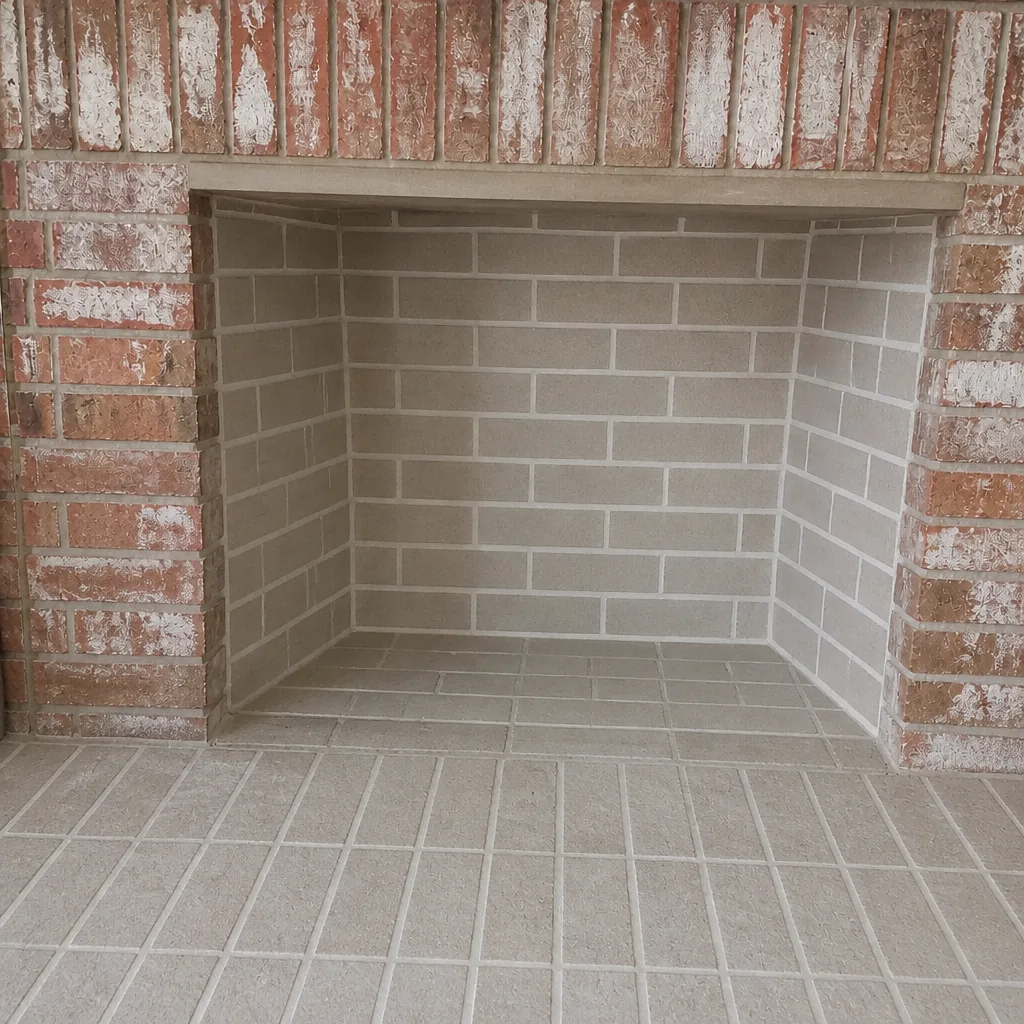
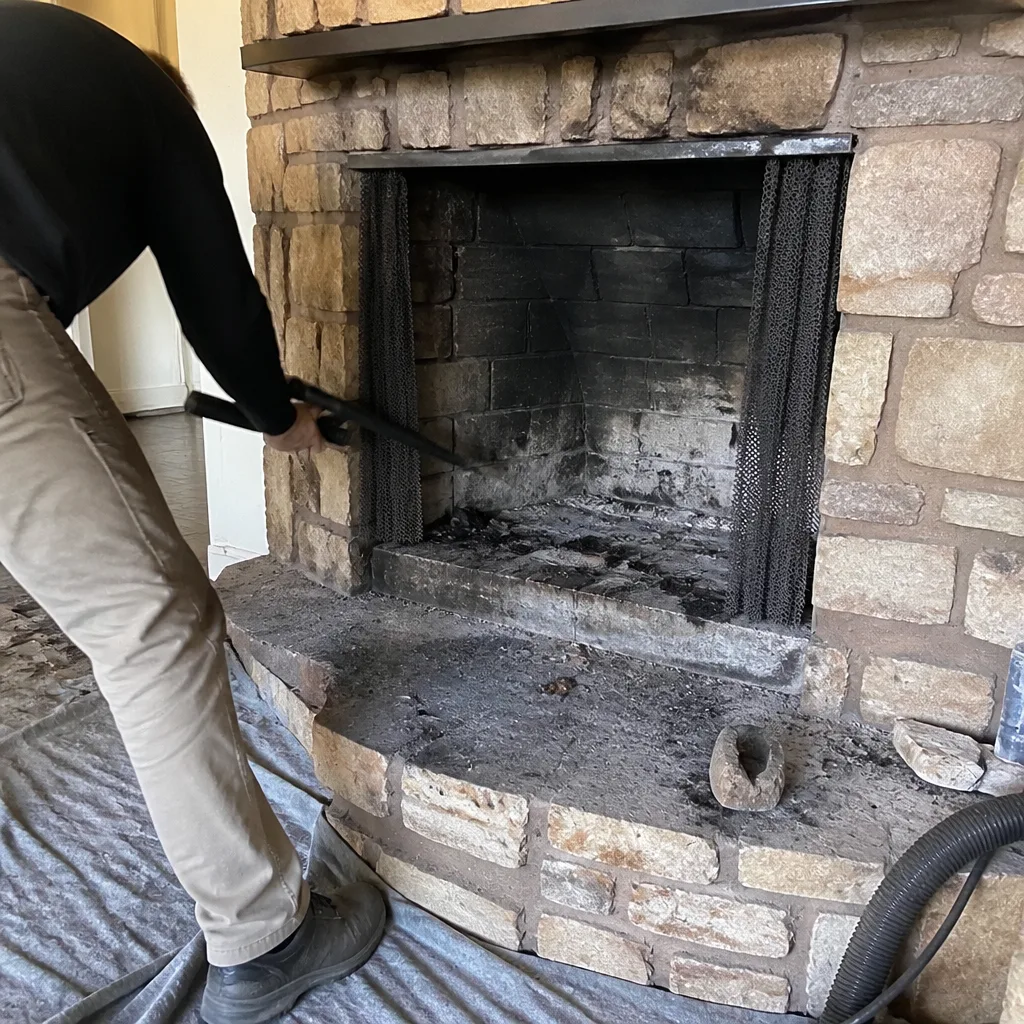
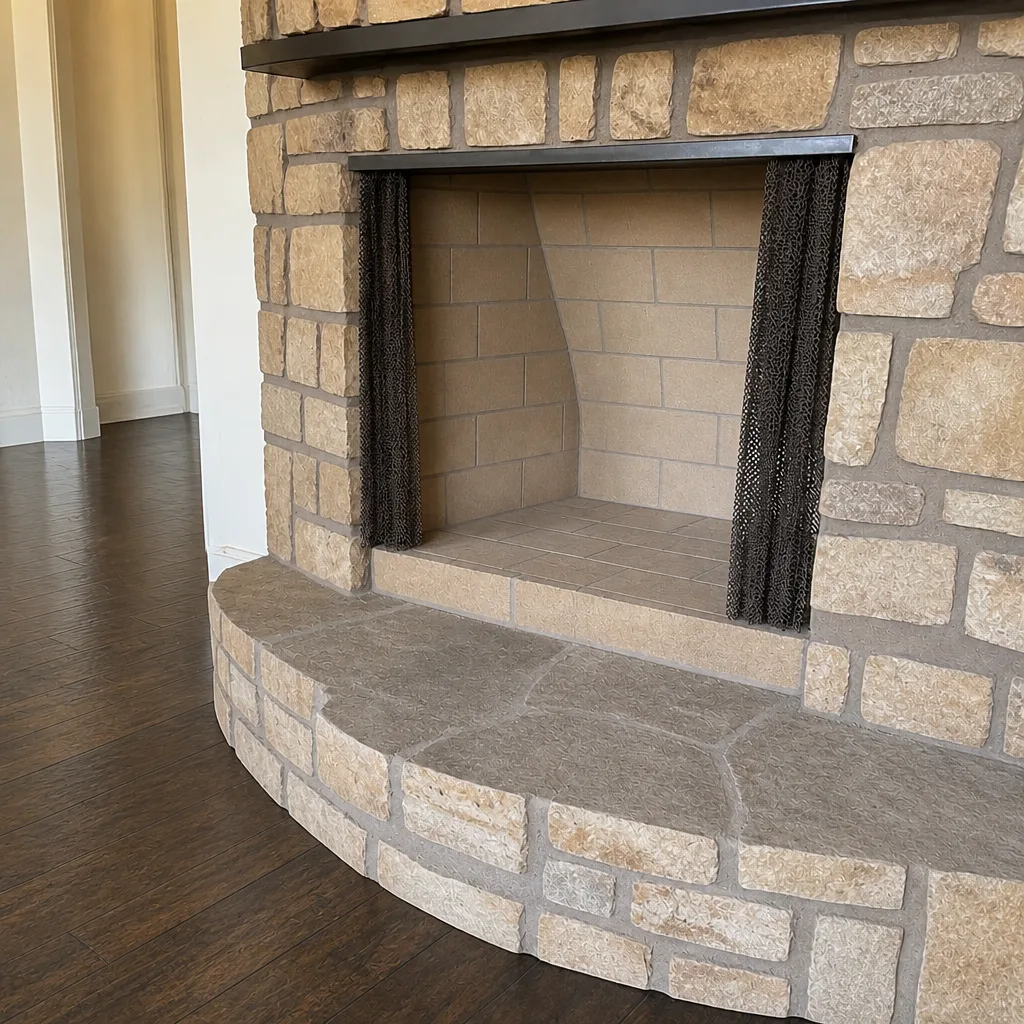
See the difference
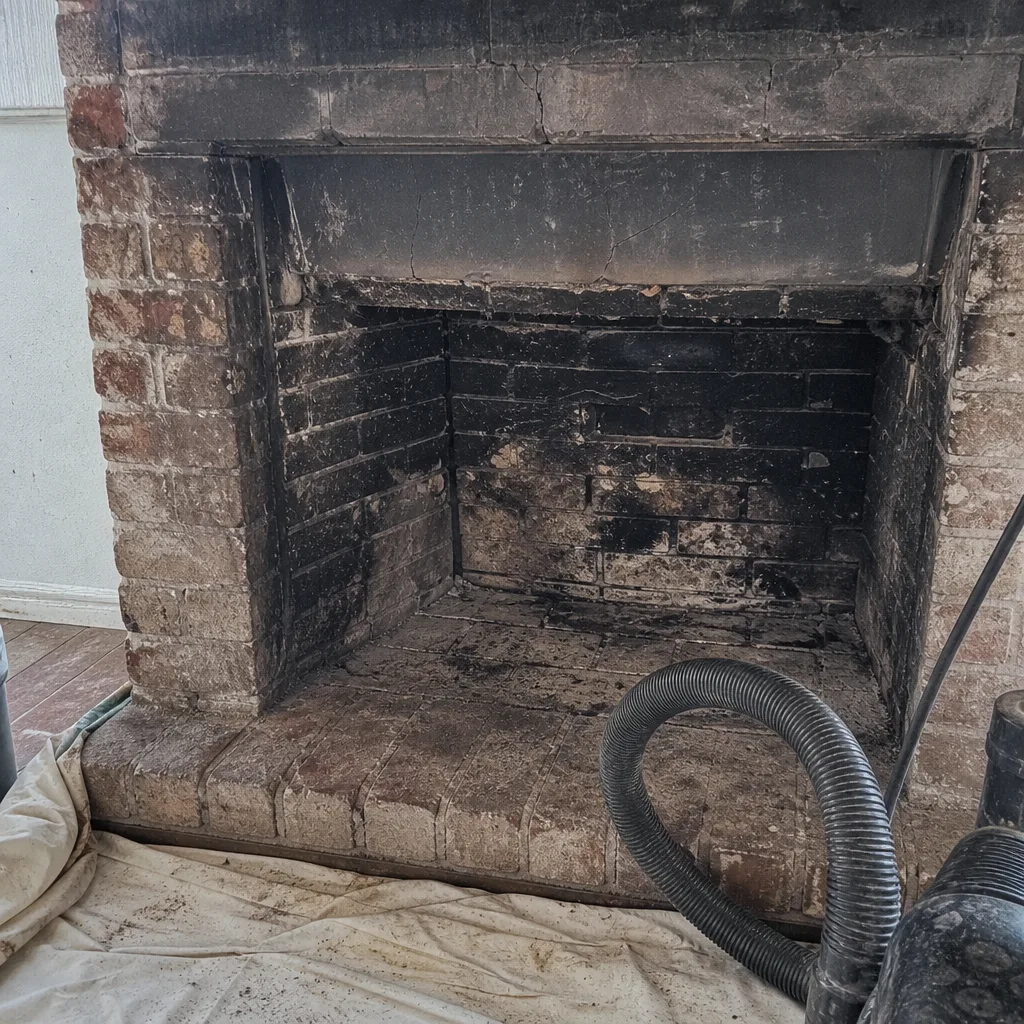 Before
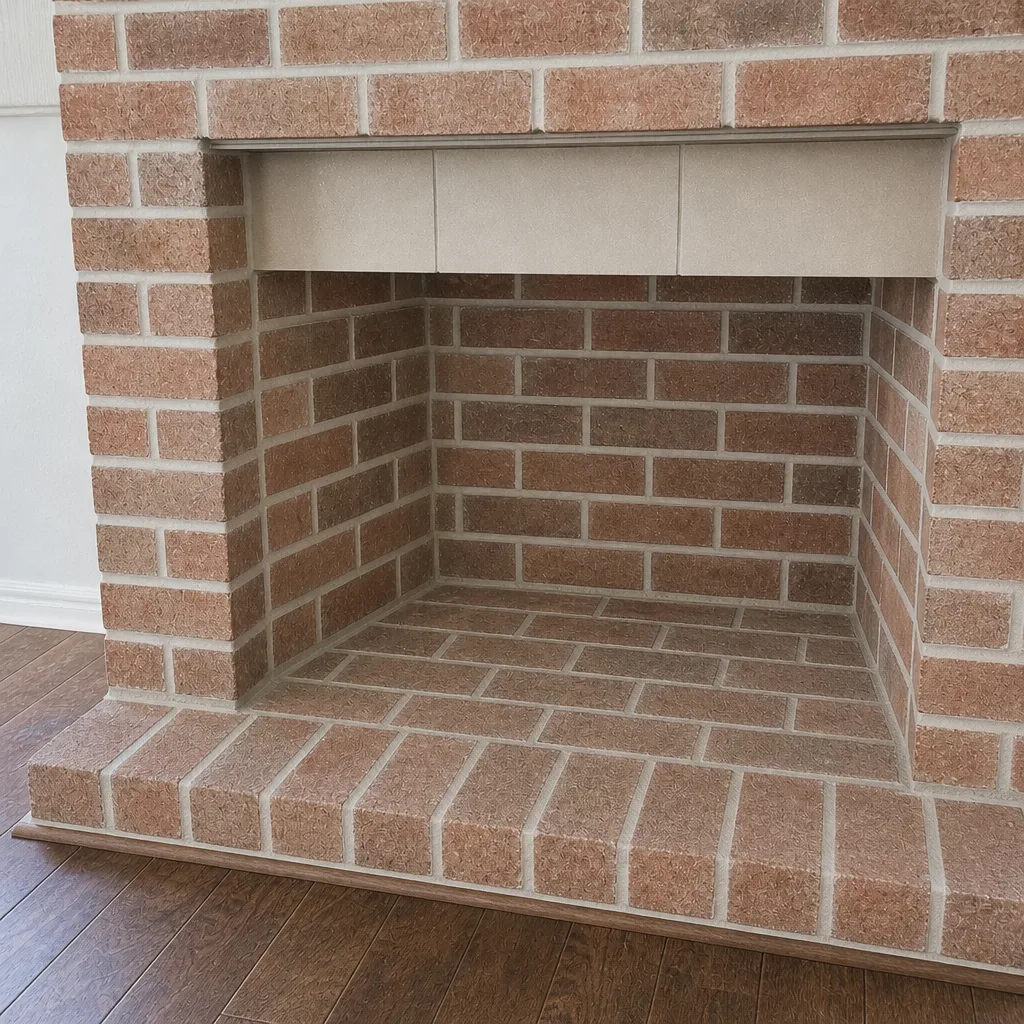 After
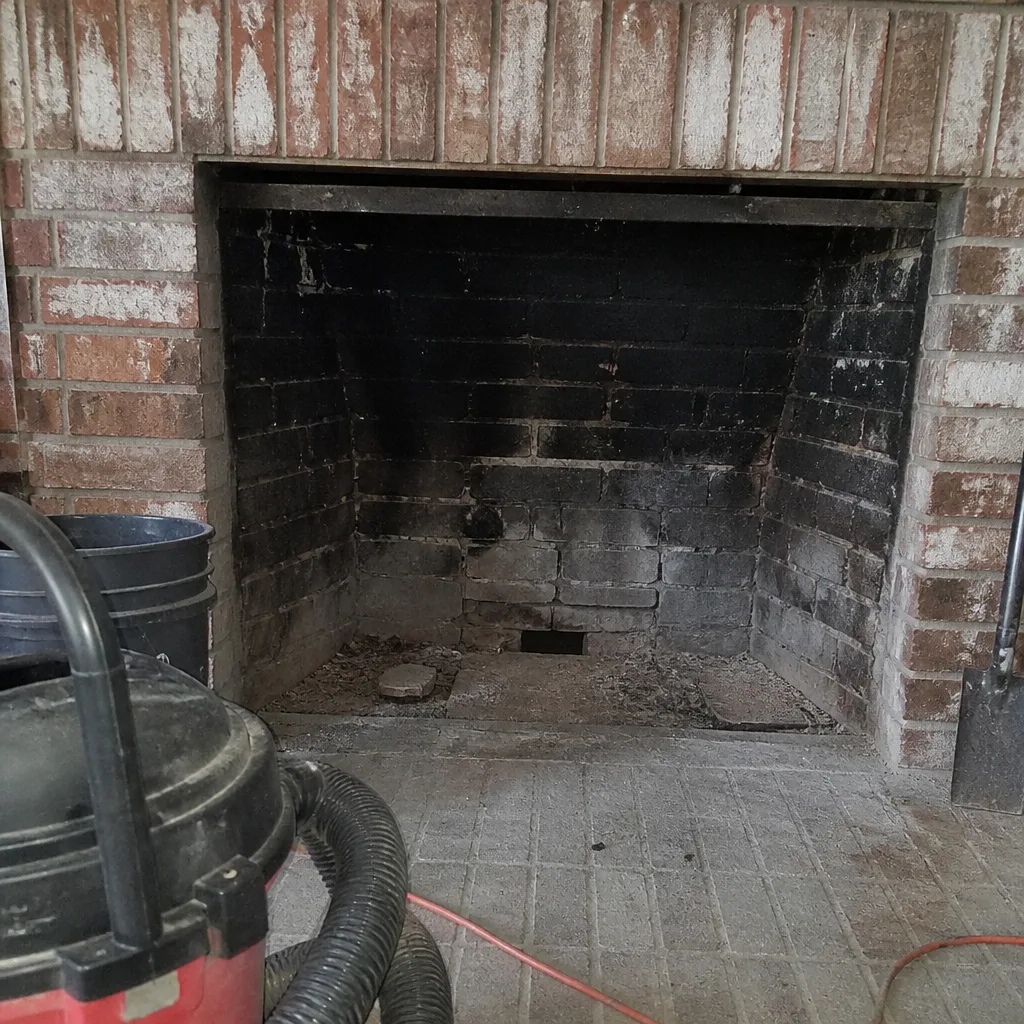 Before
 After
 Before
 After
When to Call a Professional
Call a professional after any suspected chimney fire, full stop. That’s the non-negotiable one, and the Level 2 inspection that follows is the only way to know whether the chimney is safe to use again. Call a professional if you notice draft issues, smoke coming back into the room, a persistent odor from the fireplace, or visible damage to the cap, crown, or masonry. Call before the season starts if you haven’t had a sweep or inspection in a year or more, or if you’ve just bought the house and don’t have documentation of the last inspection. If a CO detector has gone off and you can’t explain it, get everyone outside and call 911 before you call anyone else. Mesquite Chimney Sweep offers free estimates in Mesquite – call (833) 246-4886. We answer 24/7, and fast dispatch runs from 7am to 7pm, Sunday through Friday.
One call covers the sweep, the inspection, and the repair. You won’t be handed off between vendors halfway through. That’s a different way of doing this work than a generalist handyman with a brush, and it matters most when the situation is a chimney fire and not a routine cleaning.
Frequently Asked Questions
No, not until a Level 2 inspection confirms the flue, liner, and clearances are intact. A chimney fire can crack the liner or damage the framing behind the chimney in ways you cannot see from the firebox, and using the fireplace again after that damage is how the second fire becomes the deadly one. Call (833) 246-4886 to schedule the inspection. Estimates are free.
Common signs of a chimney fire include a low rumbling or roaring sound from the flue, a rapid popping sound, an acrid chemical smell, puffs of dark smoke from the top of the chimney, or visible heat damage on the wall above the firebox. A hot fire that stays inside the firebox without those symptoms is likely just a hot fire. If anything felt unusual, an inspection is the safest way to know. Call (833) 246-4886 for a free estimate.
It depends on the repair. Minor work like a cap replacement usually does not require a permit, while structural repairs, full relining, or changes to the chimney chase commonly do. Call your city’s building department and describe the specific work; they’ll tell you whether a permit applies. We can help you identify which category the repair falls into before you make the call.
Photograph the firebox, the wall around the fireplace, the chimney exterior, the roofline around the crown, and any visible damage anywhere in the room, before anything is cleaned up or repaired. Also get a copy of the fire department report, and keep the Level 2 inspection report with its camera footage, since the adjuster will need to see the inside of the flue to authorize the repair scope. Call (833) 246-4886 for help organizing the inspection report.
Once a year is the usual recommendation for a home that burns wood regularly, and a camera inspection should be part of every visit. A home that only lights a fire occasionally can stretch the interval, but a sweep-and-inspect should still be booked before the burn season starts. Call (833) 246-4886 to schedule one for your Mesquite home.
Place CO detectors on every level of the home and in the room or area near the fireplace, following the manufacturer’s installation instructions. Test them once a month while you’re burning wood, since a chimney fire can damage the venting that keeps combustion gases out of your living space. If a detector goes off and you can’t find the source, get everyone outside and call 911.
The Bottom Line
A chimney fire is a response problem first and a prevention problem second. The homeowners who fare best in Mesquite are the ones who recognize the signs – the low rumble, the chemical smell, the popping from the flue – and who know the steps: get everyone out, call 911, don’t use water, don’t climb on the roof, don’t relight the fireplace until a Level 2 inspection confirms it’s safe. Prevention still matters. Seasoned wood, a hot burn rather than a smoldering one, and an annual sweep with a camera inside the flue keep the creosote from building up to the point where a small ignition becomes a structural event. The one thing to remember from all of this: what runs behind the wall after a fire is invisible until someone puts a camera inside the flue. That’s the work we do. If you’re in Mesquite and you’re not sure when your chimney was last inspected, call Mesquite Chimney Sweep and we’ll book the sweep and inspection together.
Contact Us
Call (833) 246-4886 for a free estimate. We answer 24/7. Fast dispatch from 7am to 7pm, Sunday through Friday. Whether you’ve had a suspected chimney fire, noticed draft issues, or just want a camera inspection before the season starts, one call covers the sweep, the inspection, and the repair. We name the brands we use – DuraFlex, HeatShield, Gelco, Olympia Chimney, Famco, and Copperfield – because materials matter as much as labor. Professional-grade parts, not big-box substitutes, and one accountable team from inspection through repair completion.
Written by the team at Mesquite Chimney Sweep.