
Last updated November 16, 2026
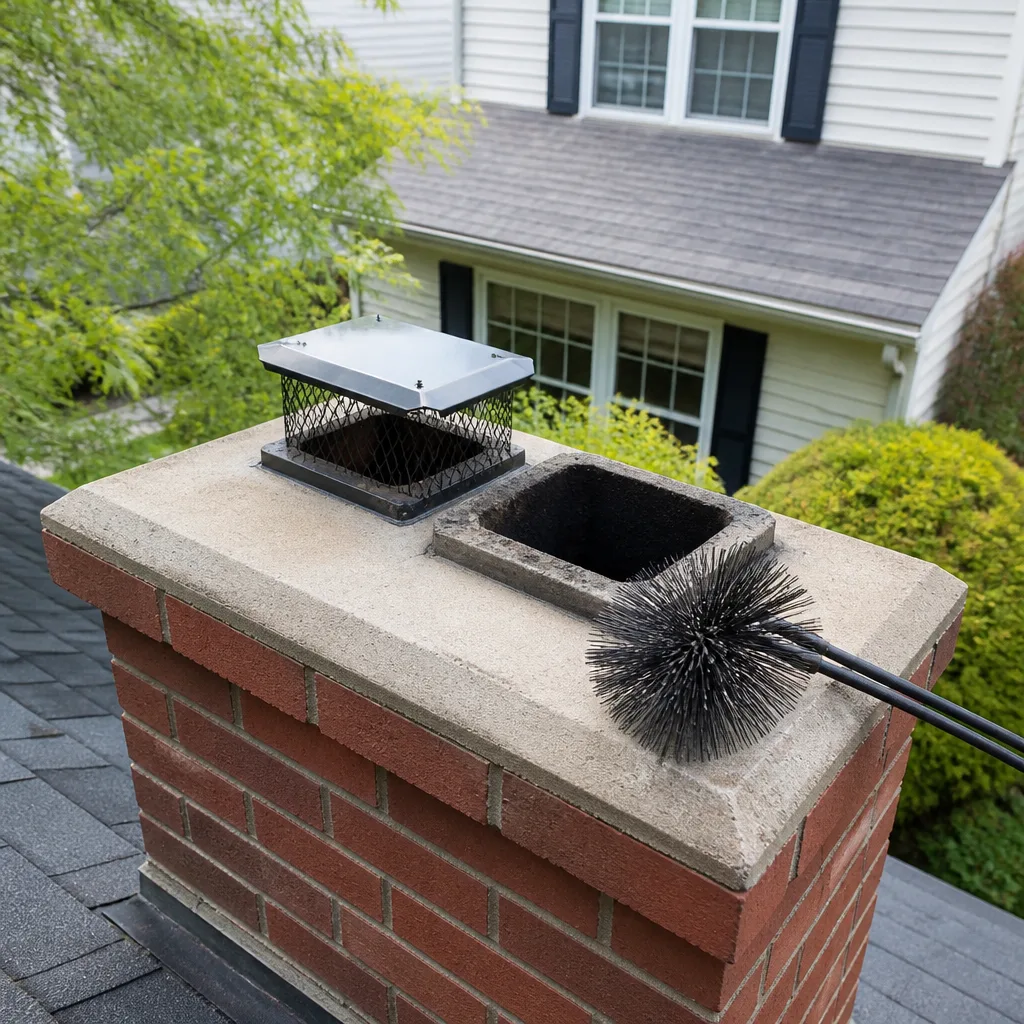 Sweep & inspection
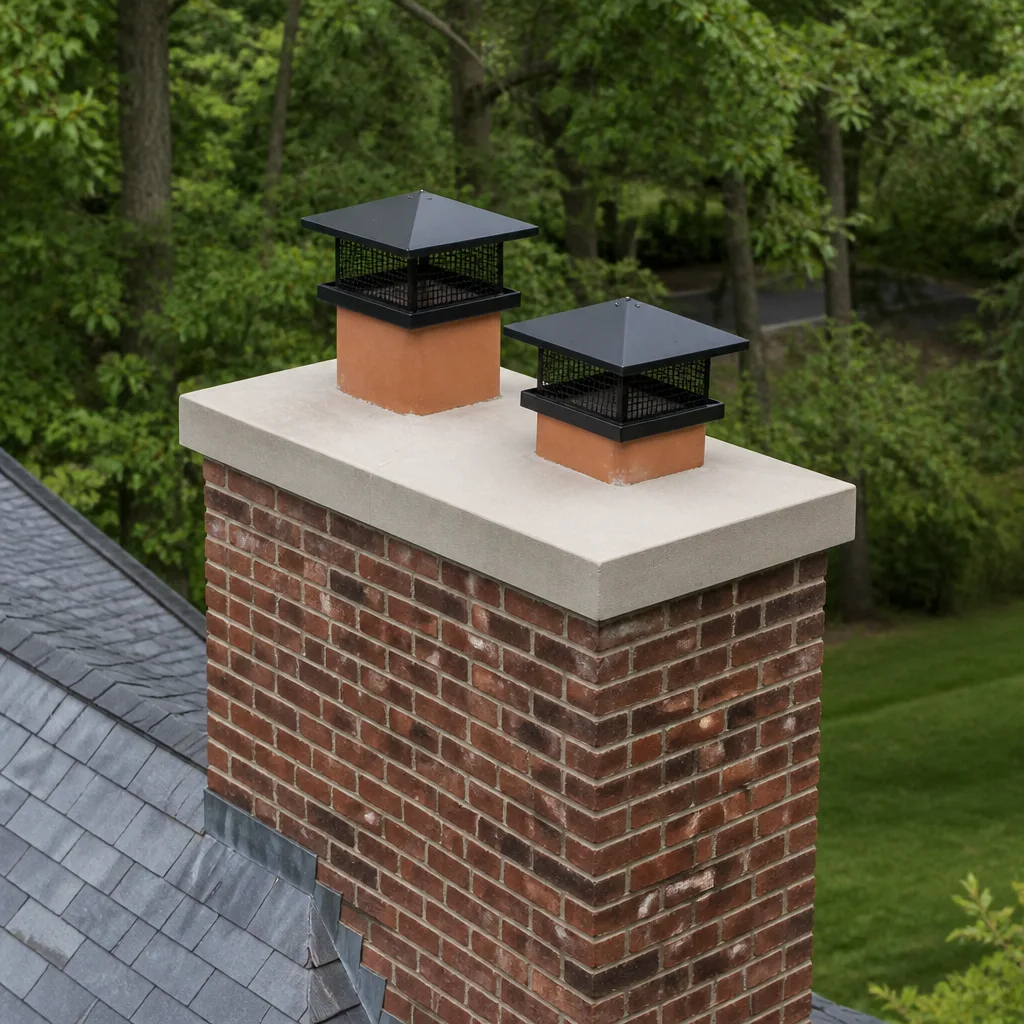 Caps & crowns
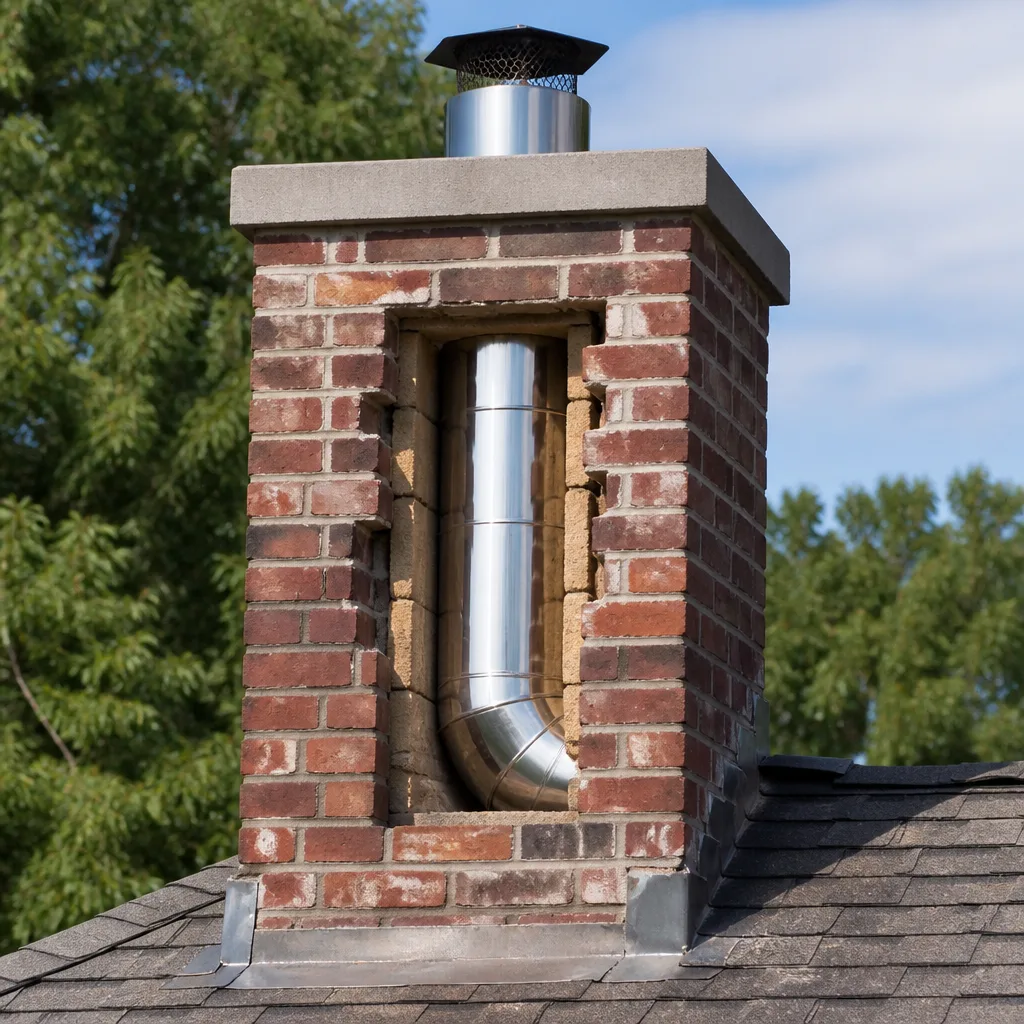 Flue relining
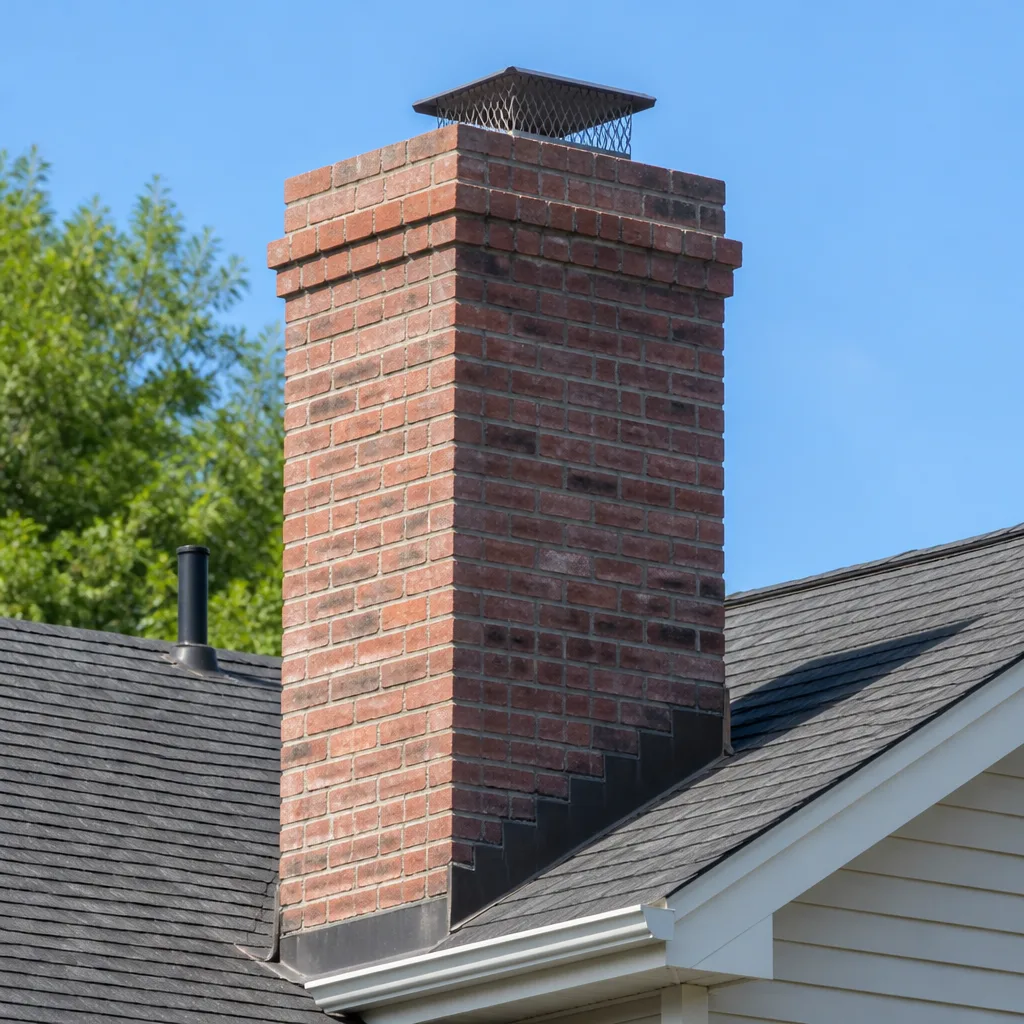 Masonry repair
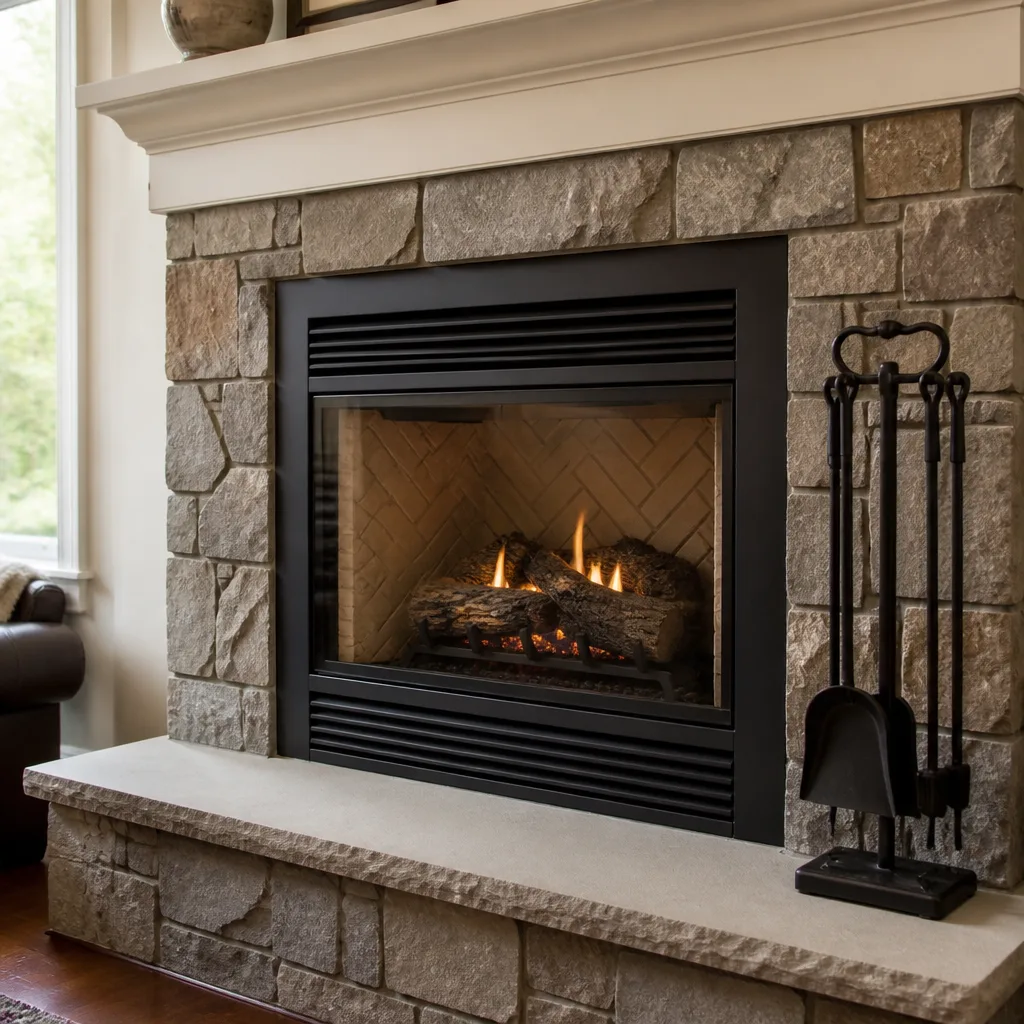 Gas fireplace service
Level 1 sweep and inspection to the NFPA 211 annual standard - flue, crown, cap, and flashing checked and photographed
Chimney sweep logs do not sweep chimneys. They loosen some creosote - which then falls where a brush and vacuum still have to collect it.
Seasonal Chimney Cleaning Care for Mesquite: Year-Round Homeowner’s Guide
A chimney that sits unused from March through October in Mesquite isn’t resting – it’s accumulating moisture, wildlife, and storm damage while no one’s paying attention. Most homeowners treat chimney maintenance as a single annual task, something to knock out right before the first fire of the season. That approach misses the fact that a North Texas chimney faces four distinctly different risk categories over the course of a year, and each one demands its own attention. Summer heat bakes mortar and sealants. Fall storms drive water into cracks. Winter burning loads the flue with creosote. Spring is when damage is cheapest to fix. This guide walks you through all four seasons in Mesquite so your chimney is ready when you need it, not after.
Quick Answer
Chimney care in Mesquite runs on a four-season cycle, not a single annual sweep: inspect and repair in spring after burning ends, protect against heat and storm damage through summer, get a pre-season sweep and camera inspection before the first fire in fall, and watch for mid-season warning signs through winter. Because Mesquite’s burning season is short – roughly four months – most chimney problems start during the long dormant period, not during winter use. A documented sweep and inspection once a year, timed to your own burning habits, plus a quick visual check after any major storm, covers the essentials.
Styles & brands we work with
- Sweep & inspection
- Caps & crowns
- Flue relining
- Masonry repair
- Gas fireplace service
Table of Contents
- Why Mesquite Chimneys Age Differently
- Spring: Post-Season Documentation and the Cheapest Time to Repair
- Summer: What 100°F+ Heat Does to Crowns, Mortar, and Sealants
- Storm Season: What to Inspect After Major Weather in Mesquite
- Fall: The Pre-Season Checks That Should Happen Before the First Fire
- Winter: Mid-Season Warning Signs That Burning Conditions Have Changed
- How to Build a Year-Round Chimney Calendar
- Does the Season You Sweep Actually Matter?
Why Mesquite Chimneys Age Differently
Chimneys in colder parts of the country get constant winter use and constant attention, because a chimney that fails in January is immediately obvious. Mesquite doesn’t work that way. Fireplace season here compresses into roughly four months of real burning, and the other eight months pass without anyone thinking much about the flue. That long dormancy is exactly when most of the slow damage happens.
Three forces do the work while the chimney is idle. First, heat: North Texas summers push exterior masonry and the crown through repeated daily swings between brutal afternoon highs and cooler nights, and that expansion and contraction opens hairline cracks in mortar joints and at the crown edge. Second, water: when those cracks let rain in, the moisture has nowhere to go, and refreezing isn’t a factor in a mild winter but saturation and slow deterioration still are. Third, animals: an uncapped or poorly capped flue is an open invitation to birds, squirrels, and raccoons looking for shelter, and nesting material left in a flue is a fire hazard come fall.
Because those three forces work quietly, the practical rule in Mesquite is to check the chimney when you aren’t using it. A chimney that looks fine from the living room in July can have a cracked crown, a loose cap, and a nest two feet down the flue.
This is the core reason we treat seasonal care as a year-round cycle rather than one fall appointment. When you book Mesquite Chimney Sweep for a sweep, the inspection that comes with it documents what the dormant months did, so the next season starts from a known condition instead of a guess.
Spring: Post-Season Documentation and the Cheapest Time to Repair
Spring is the most underused window in chimney care, and it’s the one that saves the most money over time. The logic is simple: damage found in April can be repaired on your schedule, while the same damage found in October forces a rushed decision right before you want to light a fire. Repairs deferred from spring to fall also sit through a full summer of heat and a full storm season, which is how a small crown crack becomes a rebuild.
Here’s what a proper post-season closeout looks like:
- Sweep the flue after the last fire of the season. Creosote left sitting through a humid summer absorbs moisture and turns corrosive against the liner. Cleaning it out in spring, not fall, removes that exposure.
- Get a documented inspection with photos. A camera inspection of the flue interior plus a look at the firebox, damper, crown, cap, and flashing gives you a baseline you can compare year to year.
- Note and schedule any repairs now. Crown cracks, spalling mortar, a loose cap, or deteriorated flashing are all cheaper to fix before they worsen through summer heat and rain.
- Check the cap and spark arrestor. Spring is when birds and squirrels start nesting. A sound cap with intact mesh keeps them out of the flue all summer.
For families who’ve recently bought a home in Mesquite, spring is also the right time for a first-ever inspection, because you have no history with the chimney and no idea when it was last serviced. Getting that documented baseline early pays off for every season after. When the inspection turns up something structural – cracked mortar joints, a damaged crown, a failing flue liner – that’s chimney repair territory, and it’s much better handled in mild spring weather than in a scramble before winter.
Spring repairs also let us match the fix to the problem properly. Small flue cracks can often be resurfaced with the HeatShield ceramic system rather than relined entirely, while a flue with widespread deterioration may call for a full DuraFlex liner. You can’t make that call without seeing the flue on camera, which is why the spring inspection matters more than the repair itself.
Summer: What 100°F+ Heat Does to Crowns, Mortar, and Sealants
Summer is when a Mesquite chimney takes the most invisible punishment. A masonry chimney is essentially a tall column of stone, brick, and mortar sitting in full sun, and North Texas regularly pushes past 100°F. The crown – the concrete cap on top that sheds water away from the flue – is the most exposed and most vulnerable part of the whole assembly.
Here’s what the heat actually does:
- Crown cracking: The crown expands in afternoon heat and contracts overnight, day after day. Hairline cracks open at the edges and around the flue opening, and once water can get in, the crack widens each season.
- Mortar joint deterioration: Mortar is softer than brick and fails first. Sun-facing joints can crumble and recede, leaving brick edges exposed and the stack less stable.
- Sealant failure: Any caulk or sealant around flashing, the cap, or counter-flashing degrades faster in sustained heat. Once it fails, water gets behind it and the leak shows up indoors weeks later, far from the actual source.
- Pest entry: Summer is peak season for birds and squirrels. A missing or damaged cap means animals in the flue, and nesting material is a fire hazard the moment you light a fire.
The practical summer routine in Mesquite is a visual check from the ground every few weeks: look for cracked or missing crown material, a leaning or missing cap, crumbling mortar between bricks, and any staining on the exterior masonry that suggests water is getting in. You don’t need to climb up – a pair of binoculars from the yard tells you most of what you need to know about whether to call.
One more summer risk specific to this climate: a chimney that sits unused all summer with a cracked crown will take on water during a heavy rain, and that water pools against the damper and firebox. That’s the source of the musty smell some Mesquite homeowners notice when they first open the damper in October. The smell isn’t the problem – the water intrusion that caused it is.
Storm Season: What to Inspect After Major Weather in Mesquite
Mesquite’s storm season lands in spring and early summer, which means the heaviest rain and wind arrive exactly when the chimney is most exposed and least watched. Wind-driven rain finds every gap in the flashing, the cap, and the crown. Hail can crack a concrete crown or dent a metal cap. Fallen branches can dislodge a cap or damage flashing without leaving any sign from inside the house.
After any significant storm, work through this short checklist:
- Look at the cap from the ground. Is it still sitting level? Any dents, missing pieces, or gaps in the mesh?
- Check the flashing where the chimney meets the roof. Look for lifted edges, missing fasteners, or staining that suggests water is tracking in.
- Scan the crown and upper masonry with binoculars. New cracks or displaced bricks after a storm are worth a professional look.
- Look for water stains indoors. Staining on the ceiling near the chimney, or on the firebox walls, means water is already getting in.
- Check the firebox and damper for debris. Wind can drive leaves and grit past a damaged cap.
- Look down the flue with a flashlight. Any daylight visible where there shouldn’t be, or debris blocking the flue, means call before you burn.
Damaged flashing and crown issues are common post-storm findings in Mesquite, and they’re the kind of thing that gets worse through the rest of the year if left alone. Famco and Olympia Chimney components – caps, venting, exterior parts – are the kinds of parts we work with when a storm takes out a cap or flashing detail, and matching the replacement to what’s actually on the chimney matters for a proper seal.
The important point about storm damage is that the expensive version of it is almost always the version nobody checked for. A cap knocked loose in May and left off until October means a full summer of rain and animals in the flue.
Fall: The Pre-Season Checks That Should Happen Before the First Fire
Fall gets all the attention in chimney care, and rightly so – it’s the last point before the burning season when you can still fix a problem without disrupting your winter. But the checks that matter most are the ones done before the first fire, not the ones prompted by a problem after it.
Here’s the pre-season routine:
- Book a professional sweep and inspection before you need the fireplace. That means a flue cleaning plus a camera inspection that documents the flue interior, firebox, damper, crown, cap, and flashing – not just a brush down the chimney.
- Confirm the cap is in place and intact. Clear out any summer nest material before you light the first fire.
- Test the damper. It should open and close smoothly and seal reasonably well when closed.
- Check for the summer’s heat and storm damage – crown cracks, mortar loss, flashing gaps – while there’s still time to schedule a repair.
- Test smoke draw with a small piece of paper before committing to a full fire, especially if the chimney hasn’t been used since last season.
One thing that’s easy to miss in Mesquite: fall is also when the draft can surprise you. A chimney that pulled fine in January can smoke into the room in October, sometimes because of a partial flue blockage from summer debris, sometimes because of a change in the house. If smoke rolls out when you first test the fire, stop and get the flue inspected. It usually means something is restricting the flue, and burning through it risks a chimney fire.
This is the point in the year when a single professional visit is worth the most, because it catches everything at once. Rather than guessing at the state of the flue, a chimney sweep in fall gives you a clean flue and a written picture of the chimney’s condition going into the season, so you know whether you’re good to burn or need repair first.
Winter: Mid-Season Warning Signs That Burning Conditions Have Changed
Once burning season begins in Mesquite, the chimney is under load every time there’s a fire, and conditions can change over the course of a few months. Creosote builds up in the flue, sometimes faster than expected depending on what you burn and how hot the fire runs. A cap can work loose. Draft can shift. The point of mid-season awareness isn’t to schedule another inspection – one a year is normally enough for a regularly used chimney – it’s to notice when something has changed enough to call.
Watch for these warning signs mid-season:
- Smoke rolling into the room on a fire that used to draw well.
- A strong, sharp, or acrid smell even when there’s no fire burning.
- Reduced draft – the fire is sluggish, smolders, or struggles to catch.
- Visible soot or creosote flakes falling into the firebox or landing on the hearth.
- A crackling or rumbling sound during a fire that’s louder than usual (this can indicate a chimney fire – stop burning and call).
- Water stains or new dampness around the firebox or on the ceiling near the chimney.
- Discoloration or heat marks on the exterior of the chimney or where it meets the roof.
Any of these is a reason to stop burning and get the chimney looked at, not to keep going and hope it clears. A blocked or heavily creosoted flue is a real fire and carbon monoxide risk, and that’s the one situation where waiting for spring is the wrong call. Rapid creosote buildup in particular is worth acting on mid-season – if the flue is loading up faster than a year would explain, something about the burning conditions or the flue itself has changed.
Gas appliance users have their own winter signal: a persistent smell, a pilot that won’t stay lit, or soot on the appliance’s exterior all point to a venting problem worth checking. The venting is part of the chimney system, and it’s what we look at.
How to Build a Year-Round Chimney Calendar
The single most useful thing a Mesquite homeowner can do for their chimney is decide once a year when each seasonal task happens, so the whole cycle runs on its own. Here’s a workable calendar for a home with regular wood-burning or gas use:
- Early spring (after the last fire): Sweep the flue, get a documented camera inspection, and schedule any repairs the inspection turns up. This is the cheapest time to fix things.
- Late spring: Complete repairs before summer heat and rain arrive. Confirm the cap and flashing are sound going into storm season.
- Summer: Ground-level visual checks every few weeks. After any major storm, run the post-storm checklist.
- Early fall (before the first fire): One professional sweep and inspection for the season. Clear debris, test the damper, test draw.
- Winter: Burn with awareness. Watch for the mid-season warning signs and call if any appear.
Homes that use the fireplace only a few times a year can stretch the timing, but the same structure applies. Homes with heavy use – burning most nights through the season – may need more than one sweep a year, and a professional can tell you after the fall inspection whether your flue needs a mid-season cleaning. Homes transitioning between wood and gas also need a professional look, because the venting requirements differ.
If you’re new to a Mesquite home and have no idea what the previous owners did, the right first step is an inspection, not a sweep. An inspection tells you what condition the chimney is in and what it actually needs. This is where the Mesquite season comes in handy – a first inspection timed for spring or fall gives you time to act on findings without pressure.
Does the Season You Sweep Actually Matter?
Yes – and more than most homeowners realize. The timing of a sweep affects both how clean the flue stays through the dormant months and when you find out about damage. Sweeping in spring, after the burning season, removes creosote before it sits through a humid, hot summer. Sweeping in fall, before the first fire, ensures a clean flue and catches anything the dormant months did. Ideally you want the flue clean going into the off-season and the chimney inspected going into the burning season.
For most Mesquite homes that means one professional visit in spring or early fall, and a quick ground-level visual check after storms. The right time depends on your burning habits and the chimney’s condition. What matters is that the sweep and the inspection happen at a point in the year when you can act on what they find – and that’s not in late October with the first cold front two days out.
One practical note on timing: because most Mesquite homeowners think about the fireplace in fall, that’s when schedules fill. Booking a sweep and inspection in spring or early summer means a more relaxed appointment and more room to schedule any repair without pressure. That’s not a sales point; it’s just how seasonal demand in this trade works.
Common Mistakes to Avoid
- Treating the annual sweep as the whole job. A sweep cleans the flue; it doesn’t tell you the crown is cracked or the flashing is loose. An inspection documents the whole chimney, and it’s what catches the problems a sweep can’t see.
- Waiting until the first cold front to book. Mesquite’s fall rush means appointments are tight when you most need one. Booking in spring or early summer gives you room to fix what’s found.
- Ignoring the chimney through the dormant months. The long off-season is when heat, rain, and wildlife do most of their damage. A quick visual check after storms catches most of it early.
- Skipping the cap. An uncapped flue in Mesquite means animals, rain, and debris in the flue through the summer. A sound cap is one of the cheapest protections there is.
- Burning through a mid-season problem. Smoke rolling into the room, a sharp smell, or a roaring fire that sounds different are all reasons to stop burning and get the flue looked at, not to burn one more night.
- Buying a cap or flashing repair off the shelf. Big-box substitutes don’t match the chimney’s actual dimensions or venting needs. Professional-grade parts – the kind of thing Olympia Chimney and Famco make – fit right and last.
- Assuming a gas appliance is maintenance-free. Gas venting is still chimney work. A pilot that won’t stay lit or soot on the appliance exterior is a venting problem worth a professional look.
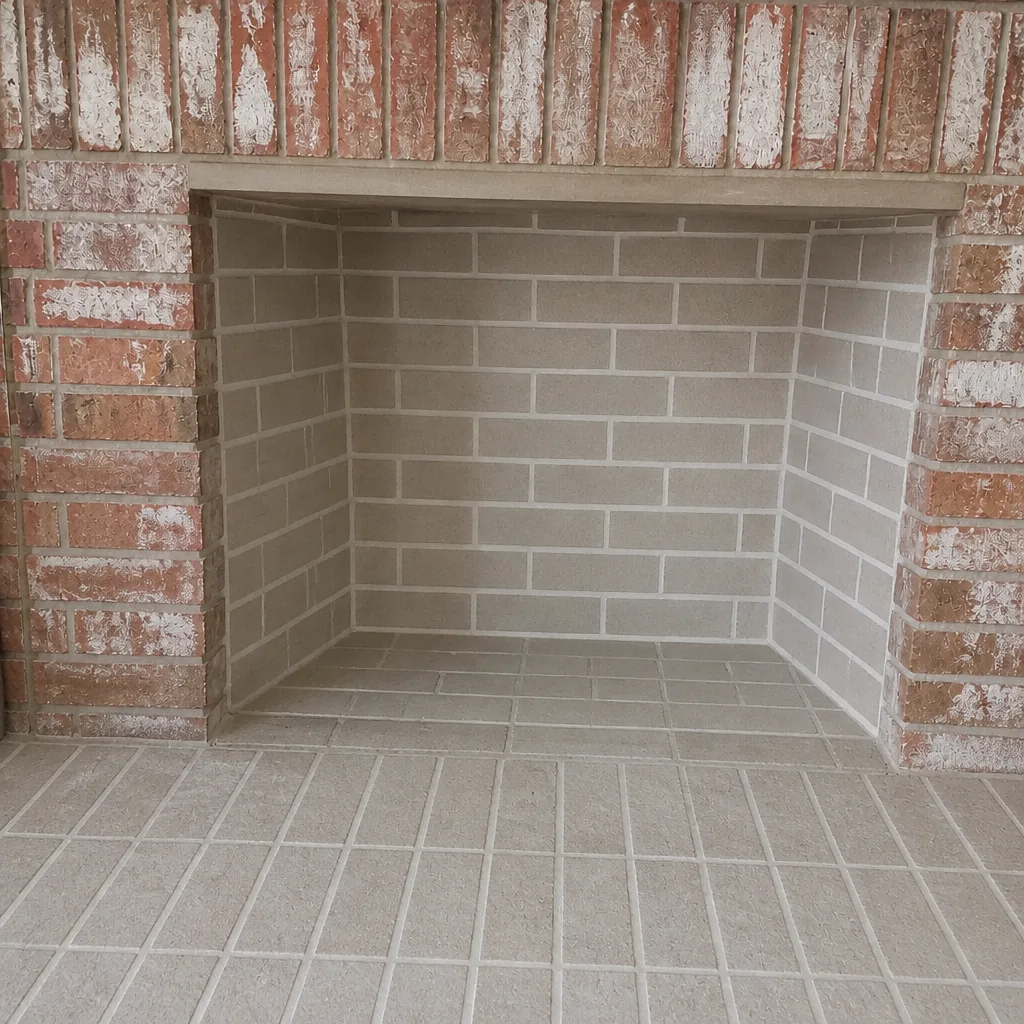
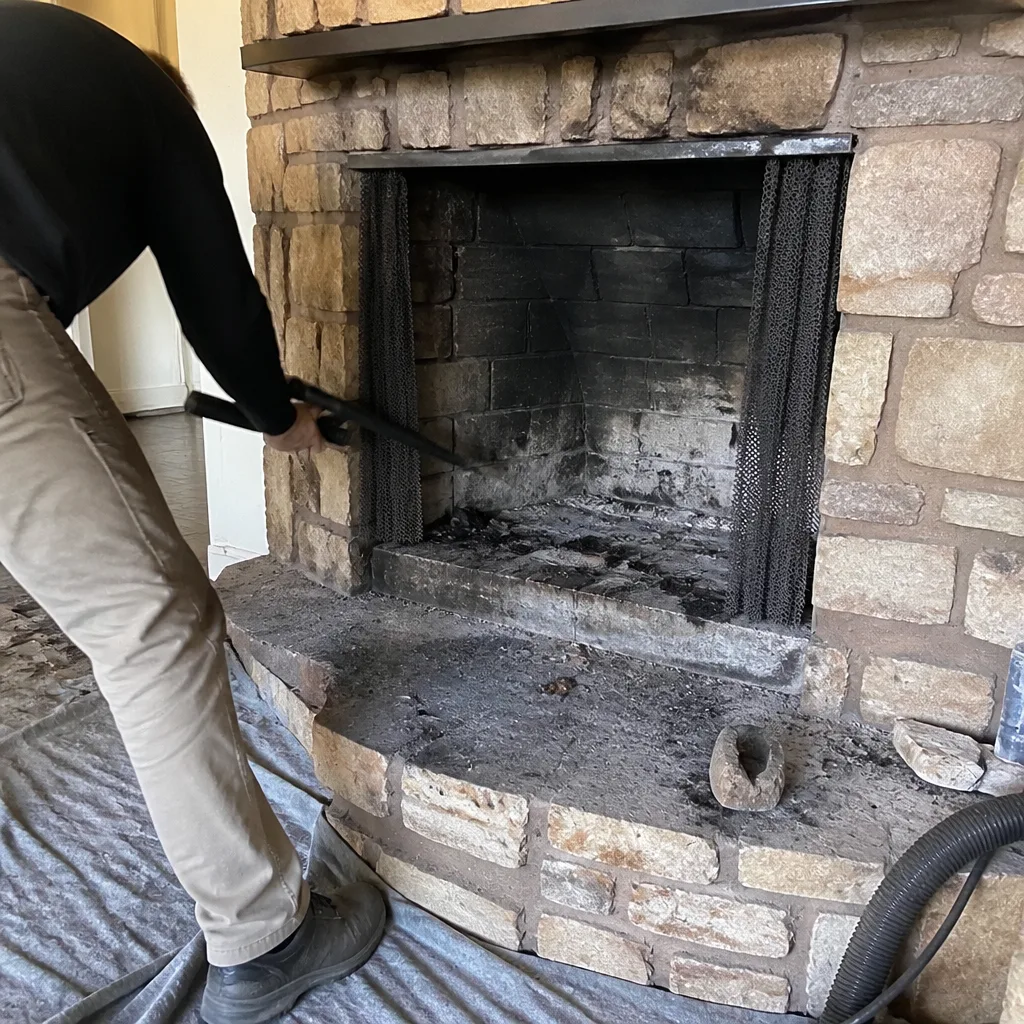
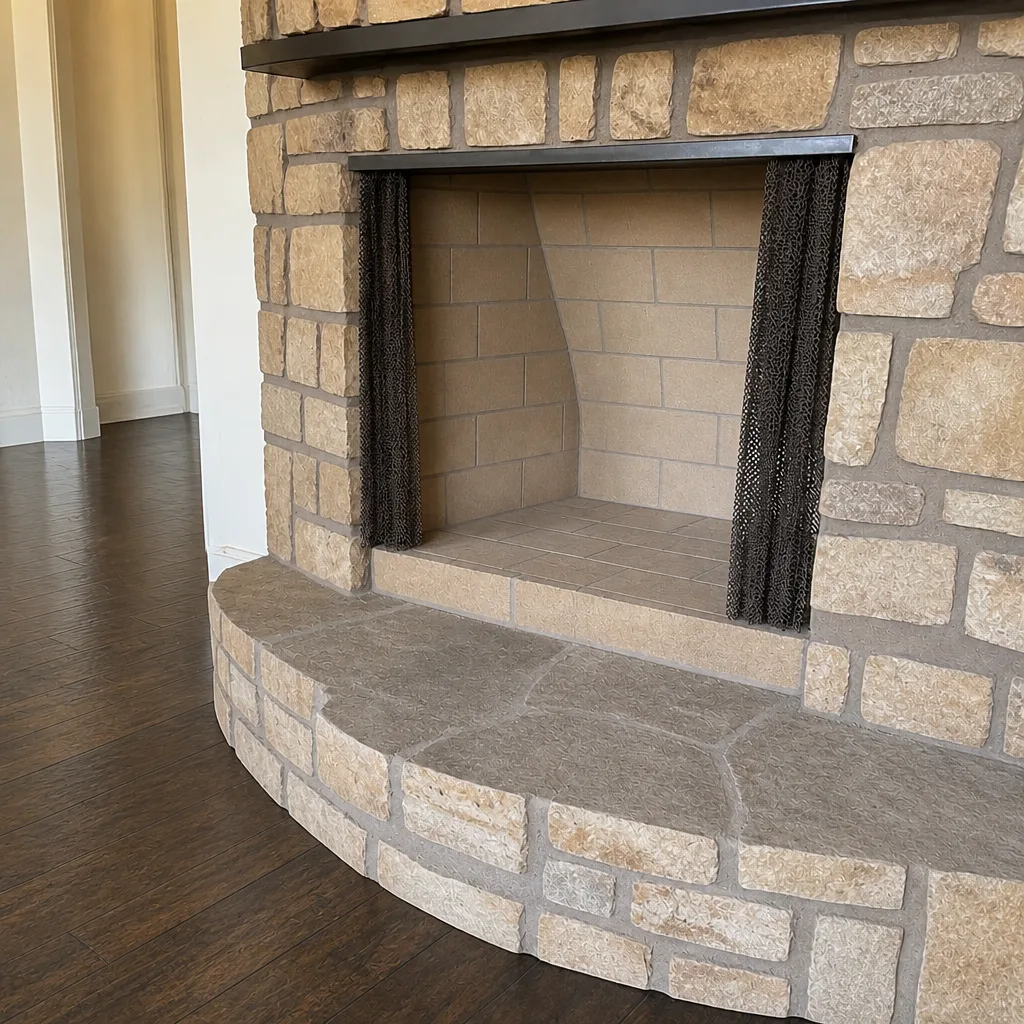
See the difference
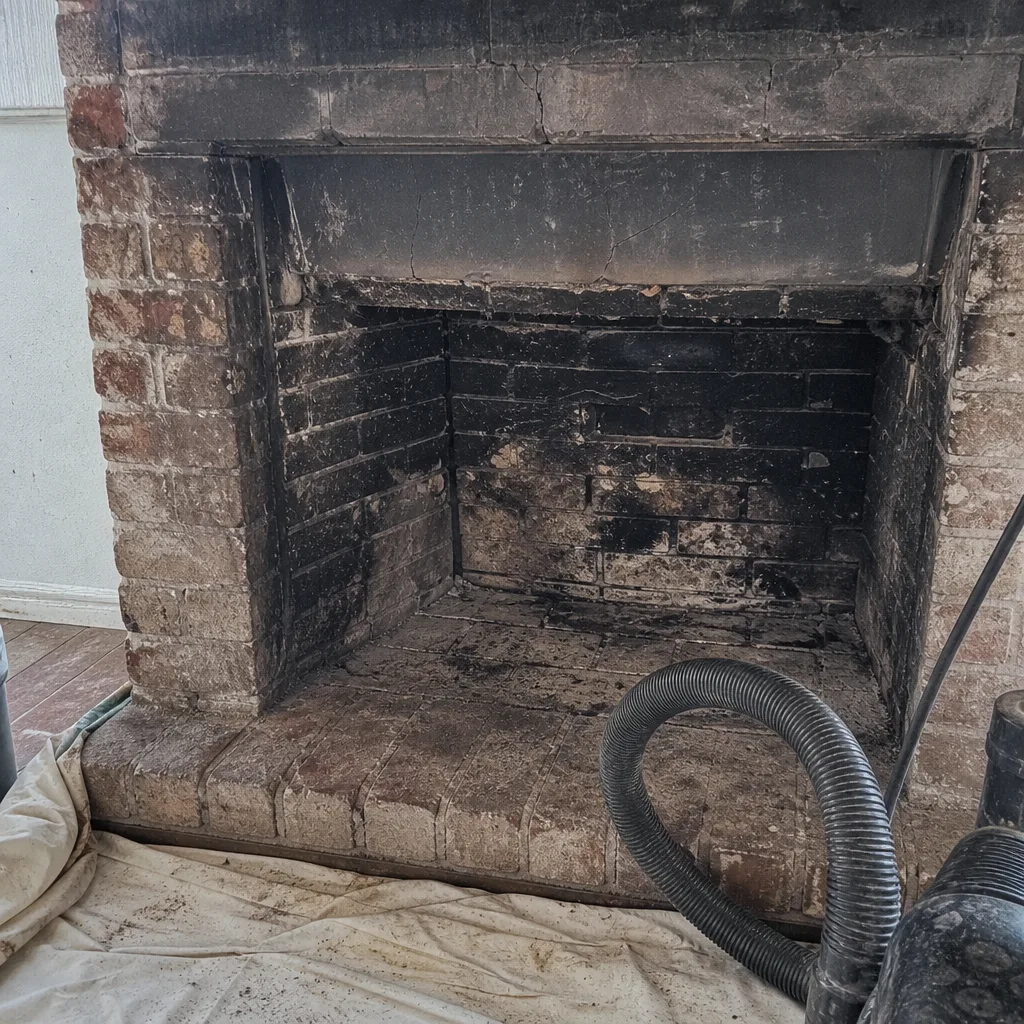 Before
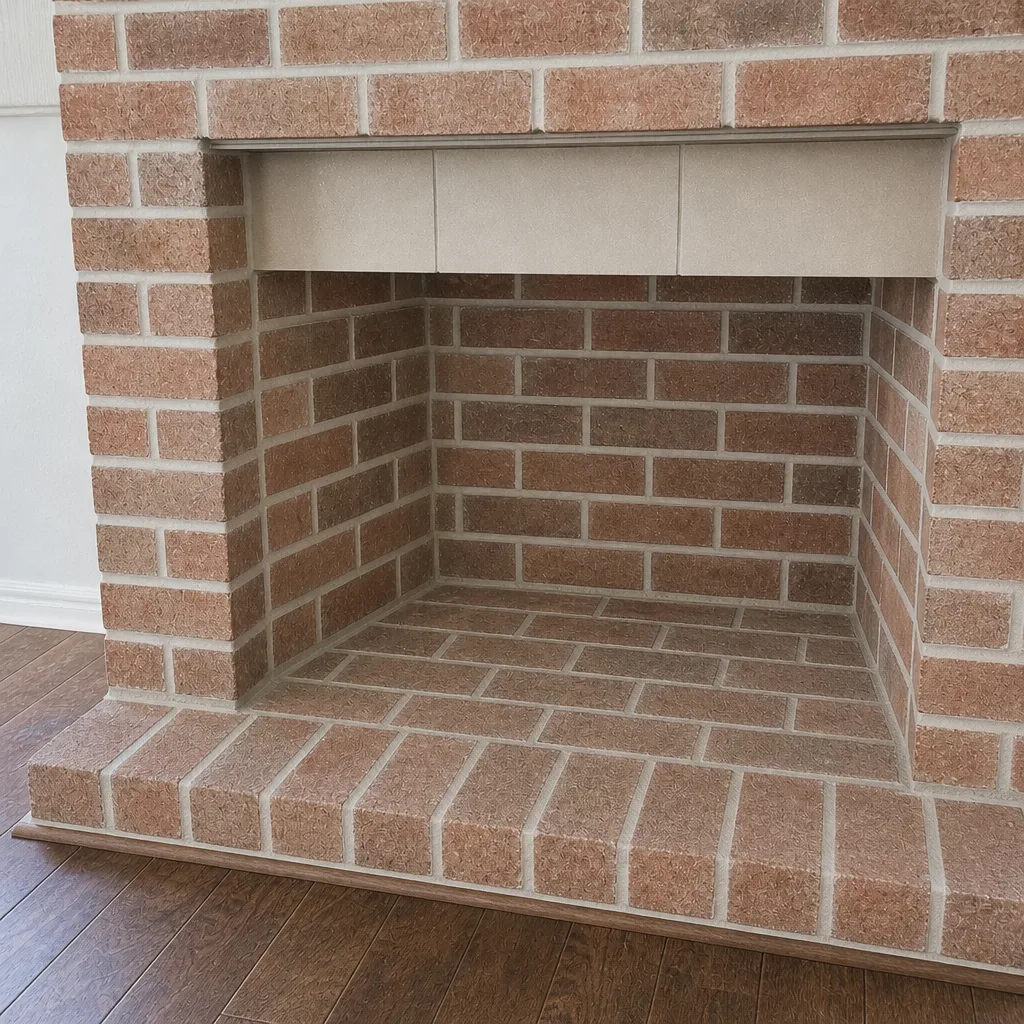 After
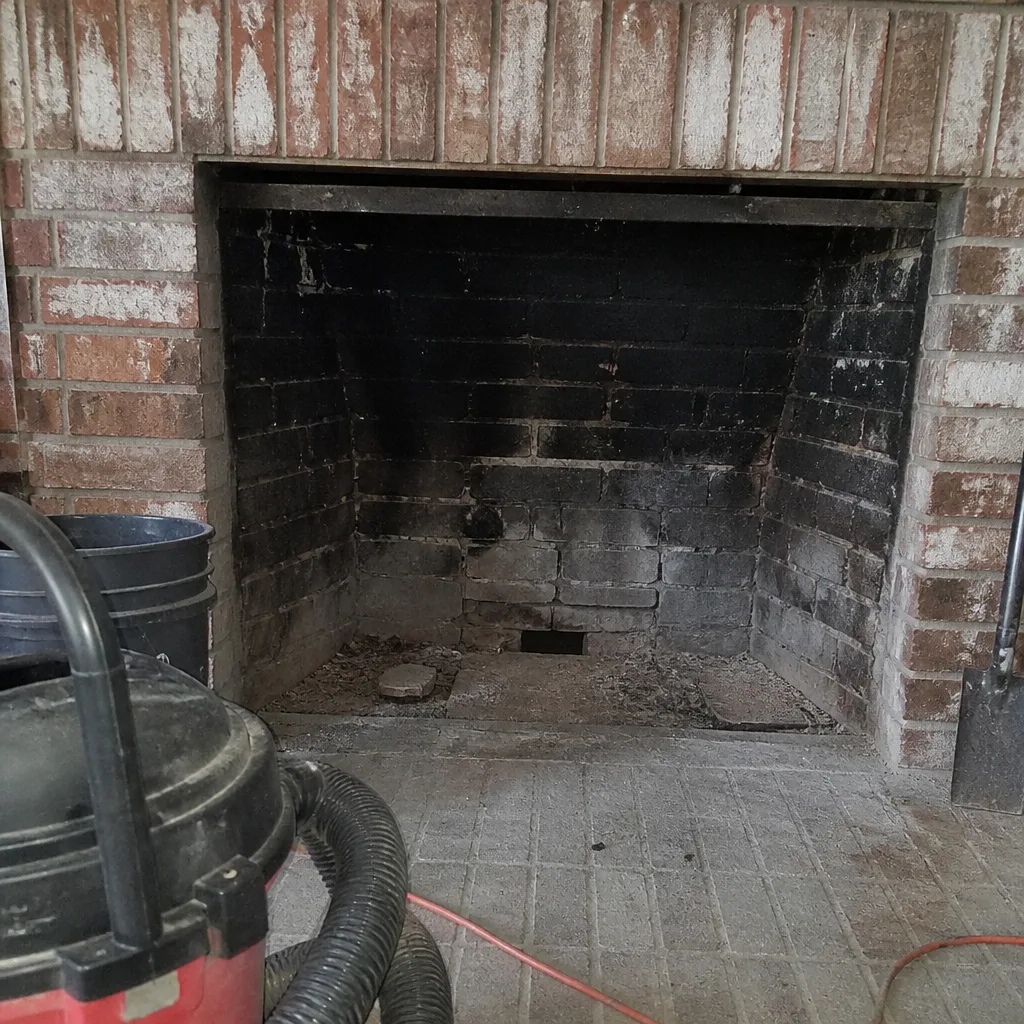 Before
 After
 Before
 After
When to Call a Professional
Some of these are seasonal, but some are urgent, and the difference matters. Call a professional if you notice smoke rolling into the room on a fire that used to draw well, a strong smell with no fire burning, visible soot or creosote flakes in the firebox, a roaring or rumbling fire that sounds different, water stains around the firebox or on the ceiling near the chimney, a missing or damaged cap, or a fire that keeps going out. Any of those is a reason to stop burning and get the chimney looked at. On the planned side, book a sweep and inspection once a year, and book a fresh inspection after any major storm if there’s visible damage.
Mesquite Chimney Sweep offers free estimates in Mesquite – call (833) 246-4886. We answer 24/7. Fast dispatch from 7am to 7pm, Sunday through Friday. One call covers the sweep, the inspection, and any repair, and we work with a defined set of professional-grade brands – DuraFlex, HeatShield, Gelco, Olympia Chimney, Famco, and Copperfield – so the fix matches the problem.
Frequently Asked Questions
Once a year for most regularly used chimneys, timed to your own burning habits. Because Mesquite’s burning season is short, the annual sweep is best paired with an inspection, and homes that burn most nights through the season may need more than one cleaning. Call (833) 246-4886 to schedule a sweep and inspection – estimates are free.
Both work, and the right choice depends on your habits, but a spring sweep has one advantage: it removes creosote before it sits through the long hot, humid summer. A fall sweep ensures a clean flue before the first fire. Many Mesquite homeowners get the best result from a spring sweep and a fall inspection. Call (833) 246-4886 to discuss timing.
It cracks crowns and degrades mortar and sealants through constant expansion and contraction. The crown – the concrete cap on top – is the most exposed part, and hairline cracks there let in water that worsens the following season. A ground-level check with binoculars every few weeks through summer catches most of it. If you see cracking, call (833) 246-4886 for an inspection.
Check the cap, the flashing where the chimney meets the roof, the crown and upper masonry, and look indoors for new water stains near the chimney. Storm damage that gets missed in spring and sits through summer is the expensive version. If anything looks off, call (833) 246-4886 – estimates are free.
It depends on the camera inspection. Small cracks and localized deterioration can often be resurfaced with the HeatShield ceramic system, while a flue with widespread damage may need a full DuraFlex liner. The right answer comes from seeing the flue on camera, not guessing. Call (833) 246-4886 to book an inspection.
No – dormant chimneys in Mesquite are exactly the ones that accumulate summer heat damage, storm intrusion, and wildlife nests. Even light use needs an annual inspection, and a cap to keep animals out. If you’re unsure of your home’s history, book an inspection first. Call (833) 246-4886.
The Bottom Line
Chimney care in Mesquite isn’t one fall appointment – it’s a four-season cycle. Spring is when you sweep, document, and repair while it’s cheap. Summer is when you watch the crown, mortar, and cap against heat and pests. Storm season is when you check after weather and act on what you find. Fall is when you do the last pre-season sweep and inspection before the first fire. Winter is when you watch for signs that burning conditions have changed. The homeowners who get the most out of their chimney are the ones who run that cycle on a calendar rather than on panic. One company handling the sweep, the inspection, and the repair, with professional-grade parts, makes the whole thing simpler.
Mesquite Chimney Sweep provides chimney sweeping, chimney inspection, and chimney repair. Call (833) 246-4886 for a free estimate. We answer 24/7. Fast dispatch from 7am to 7pm, Sunday through Friday. One call covers the sweep, the inspection, and the repair, with no subcontracting hand-offs.
Written by the team at Mesquite Chimney Sweep.