
Last updated November 16, 2026
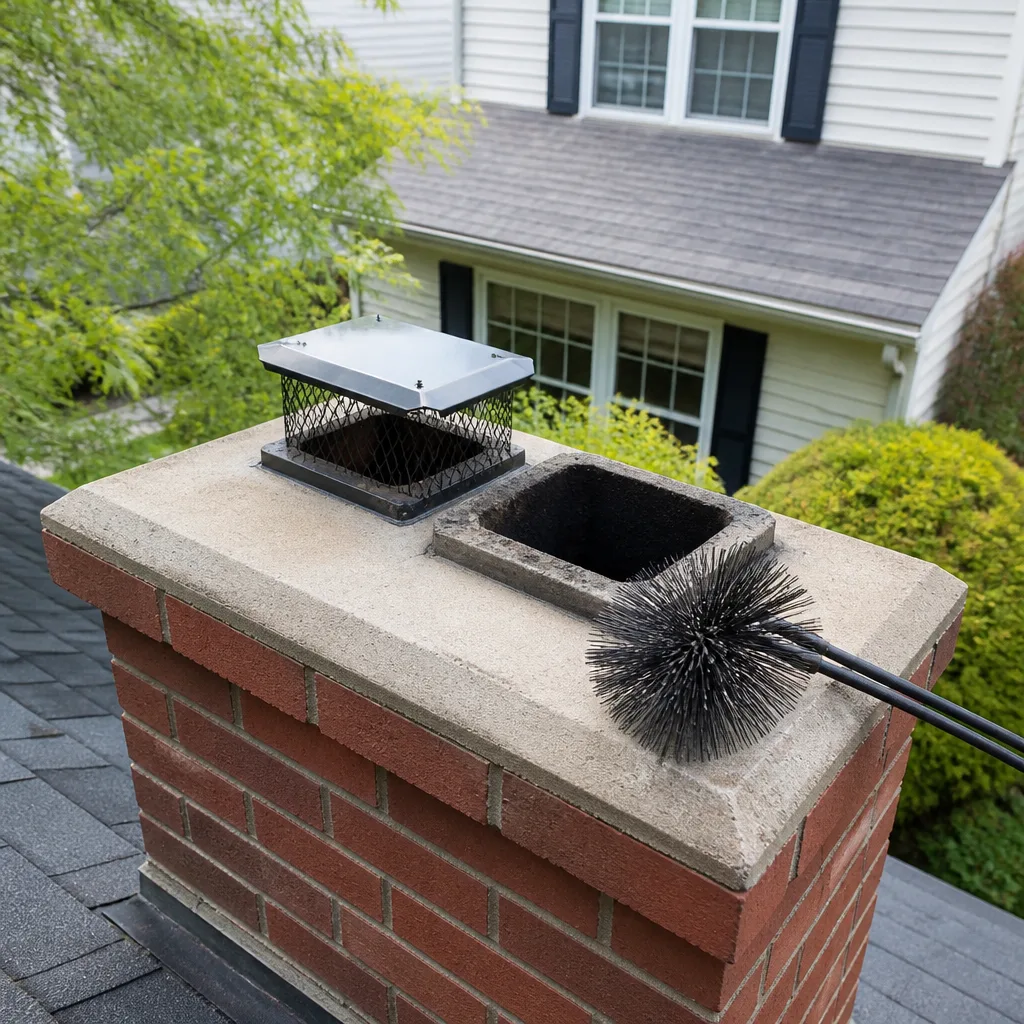 Sweep & inspection
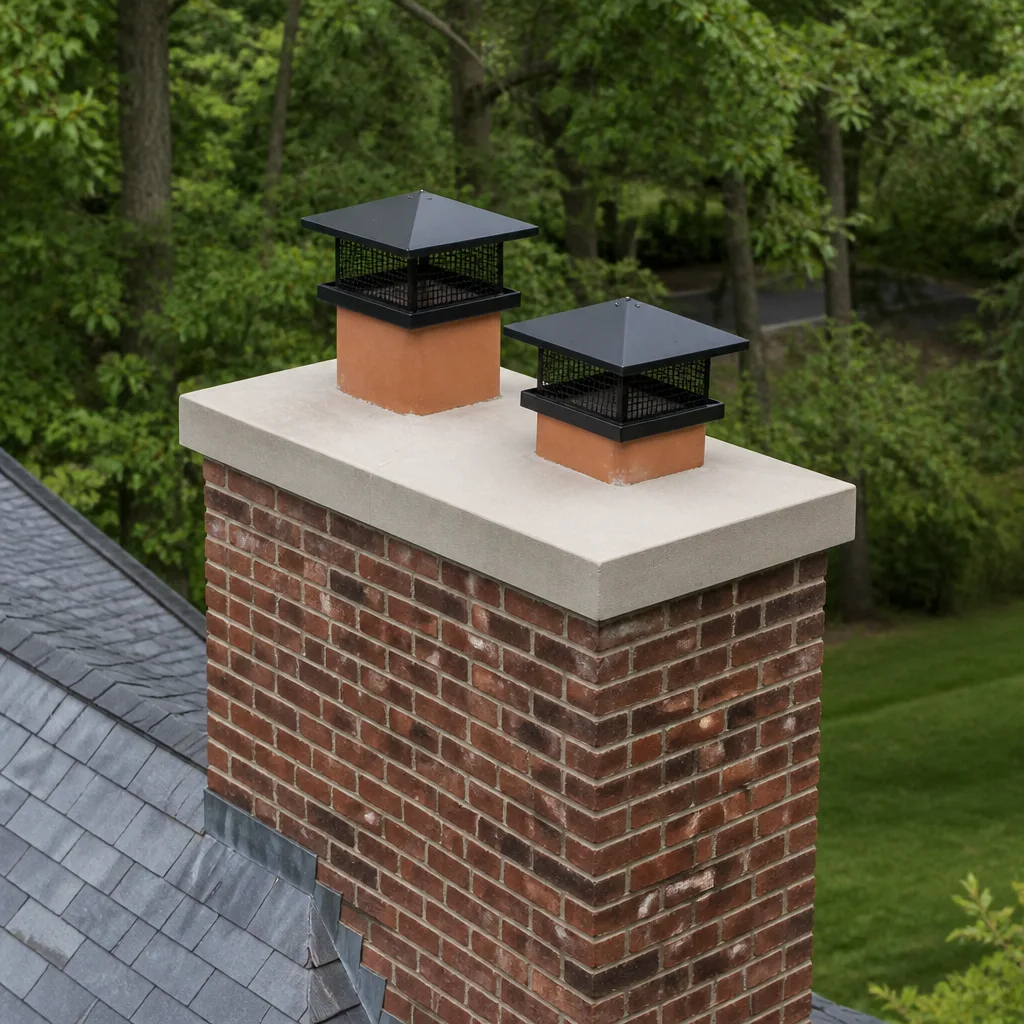 Caps & crowns
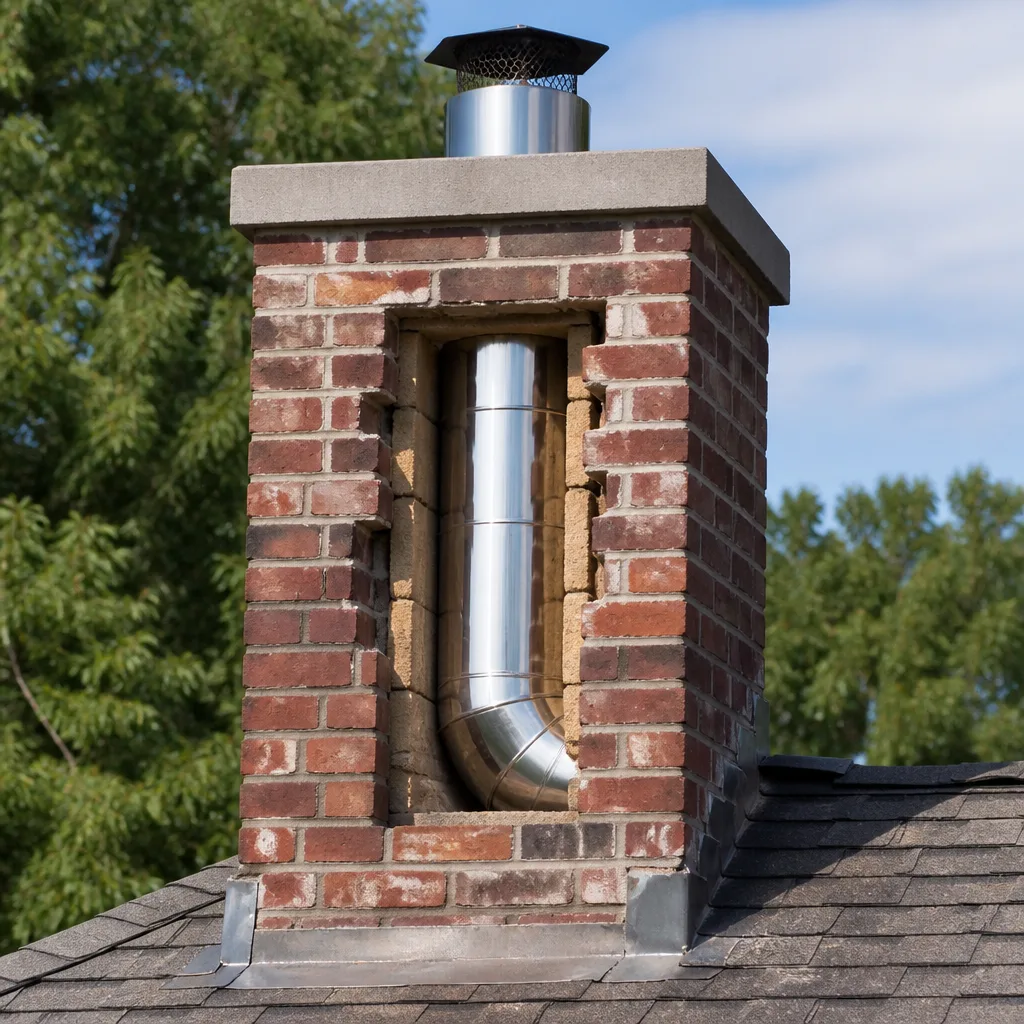 Flue relining
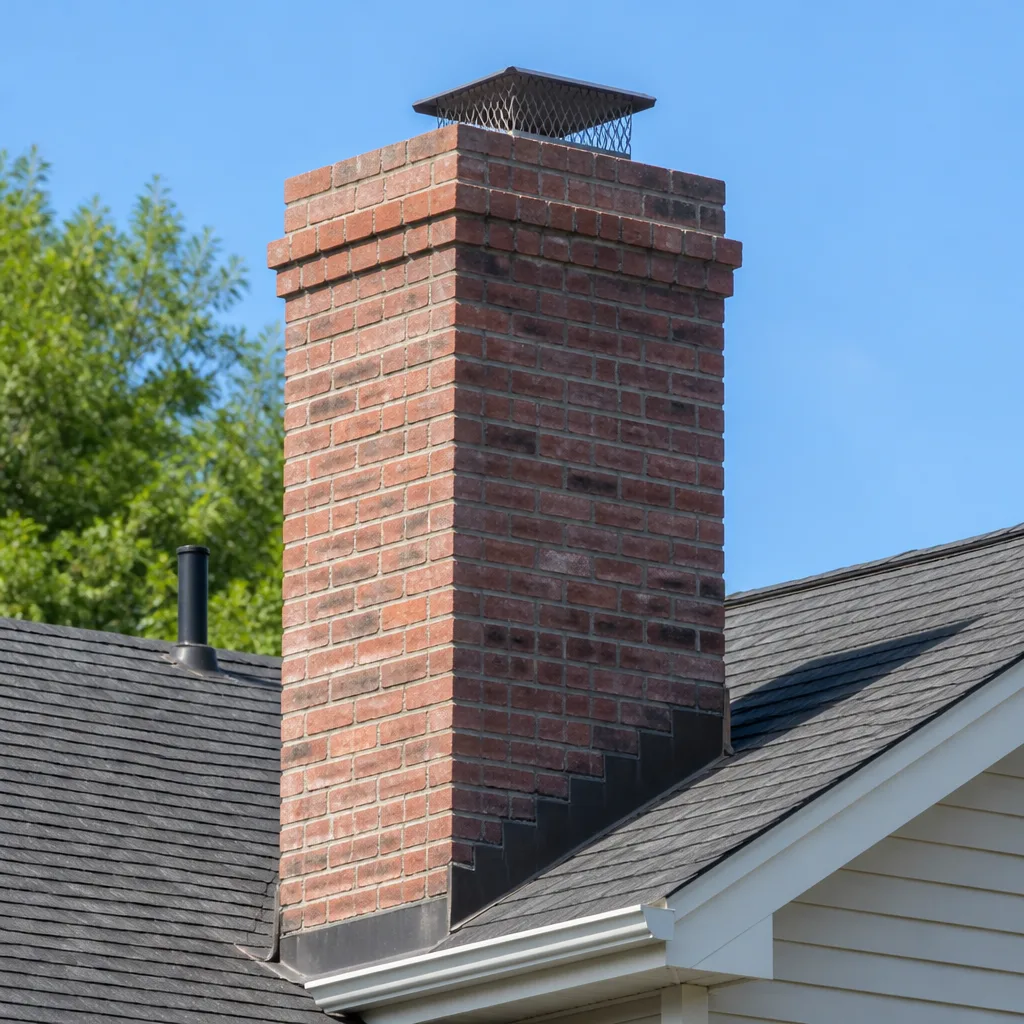 Masonry repair
 Gas fireplace service
Level 1 sweep and inspection to the NFPA 211 annual standard - flue, crown, cap, and flashing checked and photographed
Chimney sweep logs do not sweep chimneys. They loosen some creosote - which then falls where a brush and vacuum still have to collect it.
The Complete Guide to Chimney Cleaning in Mesquite
Most chimney cleaning advice you’ll find online was written for New England farmhouses and mountain cabins, where a fire burns from October to April and the woodpile is split oak that’s been drying for two summers. That advice doesn’t fit here. The two firewood species North Texas homeowners reach for most, post oak and cedar, burn hotter and leave a different creosote profile than the seasoned hardwoods those guides were written around. Add Mesquite’s short, intense burn season and the way our clay soil shifts under a masonry chimney, and a generic annual schedule stops being adequate. This guide maps the variables that actually apply to a Mesquite chimney so you can decide when to sweep, what an inspection should cover, and what the results mean.
Quick Answer
Chimney cleaning in Mesquite means removing soot and creosote from the flue, then inspecting the full system for the damage our local conditions cause: clay soil movement at the mortar joints, and creosote buildup concentrated into a few hard-burning months. A typical sweep and Level 1 inspection is done in about an hour, and you should get a written report with photos showing what was found. Sweeping frequency depends on how much you burn and what you burn, not on a fixed calendar date.
Styles & brands we work with
- Sweep & inspection
- Caps & crowns
- Flue relining
- Masonry repair
- Gas fireplace service
Table of Contents
- Why Mesquite’s Burn Season Changes the Math
- The Three Stages of Creosote, Explained in Plain Terms
- Clay Soil and What It Does to a Masonry Chimney
- Level 1, Level 2, and Level 3 Inspections: Which One You Need
- What a Full-Service Sweep Does That a Discount Cleaning Skips
- How a Sweep Actually Works, Step by Step
- Post Oak, Cedar, and the Wood You Burn Here
- After the Sweep: Reading the Report and Deciding What’s Next
Why Mesquite’s Burn Season Changes the Math
In most of the country, creosote accumulates slowly across six or seven months of intermittent burning. Here, the season is short and intense. From late October through February, many Mesquite households go from a cold hearth to a fire most nights, then stop completely once the spring warmth settles in. That pattern concentrates the risk into a narrow window.
The concern isn’t that a short season is more dangerous by default. It’s that the same total volume of creosote gets laid down over fewer, hotter, more sustained burns. When a fire is built hot and kept hot, creosote forms differently than it does in a fire that’s smoldered and damped down for hours. A short season also means the chimney sits idle for the better part of the year, and idle time is when small problems quietly get worse. A hairline crack in the flue tile or a softened mortar joint doesn’t announce itself during the off-season. It’s still there when you light the first fire, and by then nobody has looked at it in months.
That’s the practical case for booking a sweep before the season starts rather than in the middle of it. A late-fall sweep in Mesquite gives you a clean flue and a fresh inspection report going into the months you’ll actually burn, and it leaves the warm months to schedule any repair work at a sensible pace rather than rushing it before the first cold snap. Homeowners who wait until the first genuinely cold week tend to have the least flexibility about timing.
One more local wrinkle: the cooler months here still swing widely. A warm afternoon followed by a cold night is normal, and that cycle is exactly when a fire gets lit, damped down, and relit across several days. Extended burn cycles like that are harder on a flue than a single long, hot fire. If you burn that way, plan your sweep around your habits, not the calendar page.
The Three Stages of Creosote, Explained in Plain Terms
Creosote is the residue left behind when wood smoke cools inside the flue. It builds in recognizable stages, and the stage matters because it determines how the chimney gets cleaned and what that cleaning involves.
- Stage 1: soot and light flaky deposit. This is the easiest layer, a soft, crumbly film that a standard brush removes without much effort. Most chimneys swept on a sensible schedule never get far past this.
- Stage 2: hardened, crusty, or flaky black deposit. The creosote has baked on and clings to the flue walls. A standard brush pass alone may not get it all, and the sweep often needs a different tool or a chemical treatment to loosen it before brushing.
- Stage 3: glazed, shiny, tar-like coating. This is the stubborn one. It looks almost like a hard black varnish bonded to the flue. Brushing alone typically won’t touch it; it usually calls for a chemical breakdown step or, in severe cases, an assessment of whether the flue lining can be restored or needs physical repair.
In plain terms: stage 1 is a routine sweep, stage 2 is a longer and more careful sweep, and stage 3 is a repair conversation. What determines which stage your chimney reaches is a combination of wood moisture, burn temperature, and how long you go between cleanings. Wet wood and cool, damped fires push you toward the higher stages faster; dry, hot fires keep you lower.
The stage also drives cost, and that’s where homeowners get surprised. A sweep quoted over the phone at a fixed low rate can only ever be a stage 1 cleaning. If your flue is at stage 2 or 3, that quote doesn’t cover the extra work, and a discount operation either skips it or leaves it behind. Our approach is to quote per job after we see the flue, so the number you’re given reflects what your chimney actually needs. That’s also why a camera view of the flue matters: it’s how you confirm the stage for yourself rather than taking someone’s word for it.
Clay Soil and What It Does to a Masonry Chimney
North Texas sits on expansive clay soil, and that fact quietly shapes how masonry chimneys age here. Clay absorbs moisture and swells, then dries and shrinks, and it does that cycle over and over across the seasons. A masonry chimney is a tall, rigid structure with a small footprint, so even small movements in the ground beneath it translate into strain higher up.
What that looks like in practice:
- Mortar joints opening before the brick fails. Mortar is deliberately softer than brick so it can flex and be repointed. That makes it the first thing to show strain. Hairline cracks at the joints are the early signal.
- Tilt or separation from the structure. A chimney that’s pulled slightly away from the house, or stands a little off plumb, is showing movement at the base. This is the kind of thing that’s easy to miss from the ground and obvious from a proper inspection.
- Crown and flashing trouble. The concrete crown at the top and the flashing where the chimney meets the roof are the two places water gets in. Once it does, the same seasonal clay movement widens the gaps further.
- Interior flue tile cracks. Movement doesn’t only show on the outside. Flue tiles can crack or shift, and that’s a serious concern because the flue is what keeps combustion gases and heat away from the structure around it. A cracked flue is exactly what a camera inspection exists to find.
We’ve seen plenty of chimneys in Mesquite where the mortar is the real story and the soot is almost beside the point. That’s why a sweep that ignores the masonry is only half a service. When we find joint deterioration, we tell you what we found and what fixing it involves, and if a repair is the answer, it stays with the same team that swept the chimney. There’s no hand-off, which is what you want when you’ve just been told your chimney needs work.
One thing worth knowing for Mesquite homeowners with a gas appliance venting through a chimney: the venting system still needs inspection. Gas exhaust carries moisture that can degrade the vent over time, and it deserves the same attention as a wood-burning flue. And a general safety note: any work involving the flue, the masonry, or the gas venting is not a do-it-yourself job. A trained professional should handle it, and we’d rather you call than climb.
Level 1, Level 2, and Level 3 Inspections: Which One You Need
Chimney inspections follow a recognized standard, and the three levels exist for good reasons: each answers a different question. Knowing which level applies to your situation keeps you from paying for more than you need, or less.
- Level 1. The basic inspection, done during an annual sweep when the appliance and venting are unchanged and there’s no known problem. It covers the readily accessible parts: the firebox, damper, flue from the top and bottom, and the accessible exterior. A Level 1 is what a routine sweep normally comes with.
- Level 2. More thorough, with a camera run through the flue to see the full interior surface. It’s called for when the system has changed (a new appliance, a relined flue, a change in fuel), when you’re buying or selling a home, after a chimney fire or a seismic event, or when the Level 1 raised a question. A camera inspection and photo report is what lets you and the technician see the same thing.
- Level 3. Reserved for a specific problem that can only be investigated by opening up a covered or concealed part of the chimney or structure. It’s guided by what the earlier levels found and is not routine.
For a Mesquite homeowner who just bought a house, a Level 2 is the sensible starting point. You don’t know the history of the flue, and a camera inspection is how you find out. The same goes for anyone returning to a fireplace after a long gap. A standard sweep on a flue nobody has inspected in years is a cleaning without a diagnosis.
What a Full-Service Sweep Does That a Discount Cleaning Skips
A sweep is not just a brush run up and down the flue. The difference between a full-service clean and a low-price cleaning service is mostly in what happens around the brushing.
- Protection first. Floor coverings, drop cloths, and a containment setup so soot doesn’t end up on your furniture and carpets. Fast cleaning outfits skip the setup.
- The right tools for the stage. A brush appropriate to your flue, plus the chemical or rotary tools for stage 2 and 3 deposits. A single-size brush and a shop vac can’t handle glazed creosote.
- The firebox and damper, not just the flue. Soot collects there too, and the damper needs to be checked for operation while it’s accessible.
- An inspection you can read. A documented report, ideally with photos from a camera run through the flue, so you know the condition of the system and have a record for your home file.
- A clear explanation. What was found, what it means, and whether anything needs doing now or can wait. That last part matters; not every finding is urgent, and we’ll tell you plainly when work can safely wait.
The discount version stops after the brush. That’s fine if nothing is wrong. It’s not fine as the only thing you ever get, because the inspection is where your information about the chimney comes from. We recommend you ask any sweep service, ours included, whether a camera inspection and report are part of the visit. If the answer is no, you know what you’re getting.
How a Sweep Actually Works, Step by Step
Here’s what a professional chimney sweep visit involves, so you know what to expect from start to finish.
- Arrival and setup. The technician lays protection over the work area and sets up containment before anything is touched. Soot travels; the setup is the first sign of a careful job.
- A look before the cleaning. A quick assessment of the firebox, damper, and visible flue before brushing tells the technician what they’re dealing with and what tools the flue will need.
- The sweep itself. Brushing of the flue with the appropriate tools, plus removal of soot from the firebox, smoke shelf, and damper area. Stage 2 or 3 deposit gets the additional treatment it needs.
- Inspection. The level appropriate to your situation, including a camera run of the flue where a Level 2 is called for, checking the flue tiles, joints, cap, crown, and flashing.
- Cleanup. Removal of all debris from the work area. A good sweep leaves the room as they found it.
- The report and the conversation. We walk you through what we found, show you the photos, and lay out any repair decision with the cost of each option. You get the estimate in writing before any repair is booked.
If a problem shows up, the repair work stays with us. A cracked flue joint might be repairable with HeatShield ceramic resurfacing rather than a full liner replacement, which restores the flue from the inside without tearing out the old lining. A flue that’s failed more seriously may need a DuraFlex flexible liner installed. Those are different jobs with different costs, and the camera view is what tells you which one your chimney actually needs. That’s the whole reason for the photo report: you shouldn’t have to take our word for a repair you can’t see.
Post Oak, Cedar, and the Wood You Burn Here
What comes out of your chimney depends heavily on what went into the firebox. Post oak is dense and, properly dry, burns long and hot. Cedar burns hot and fast and is often used to get a fire going. Neither is a problem in itself. The trouble comes from moisture and from cool, smoldering fires, which is what wet wood produces.
A few guidelines that hold up in a Mesquite climate:
- Dry wood is the single biggest factor. Well-seasoned wood burns hot enough that the smoke exits the flue while it’s still hot, leaving less creosote behind. Damp wood burns cool, and that’s what deposits on the flue walls.
- Don’t load the firebox and damper it down for a long, cool burn. It’s a common habit, especially on mild nights, and it’s the fastest route to stage 2 creosote.
- Small hot fires beat big smoldering ones. Give the fire enough air to burn cleanly.
- Keep an eye on the cap. A chimney cap does real work: it keeps rain, birds, and debris out of the flue. When the cap or its screen is damaged, it needs replacing, and that’s a straightforward job with the right part.
We stock and work with a defined lineup of professional-grade chimney brands, including Famco and Olympia Chimney for caps, venting, and exterior components, and DuraFlex and HeatShield for liner work and flue restoration. We name them because materials matter as much as labor. A big-box cap or a substitute part doesn’t fit the way a purpose-made one does, and chimney components are not the place to save a few dollars on hardware.
After the Sweep: Reading the Report and Deciding What’s Next
The sweep is the start of the conversation, not the end of it. When the cleaning’s done and the report is in your hands, here’s how to work through it.
- Read the photos against the findings. Every finding in the report should correspond to something you can see. If a repair is recommended, ask to see the evidence behind it. Nothing gets recommended without camera evidence.
- Sort the findings by urgency. A cracked crown or damaged flashing lets water in and should be dealt with sooner. A deposit that’s been fully removed is a done item. A cosmetic issue can wait. We tell you plainly where each finding sits.
- Ask what happens if you don’t do anything. For some findings, the honest answer is that nothing happens for a long while. For others, like a cracked flue tile, the answer matters because the flue is part of what keeps your home safe. You should hear the real answer, not a pressure pitch.
- Keep the report. It’s your record of the system’s condition and it’s useful when you sell the house or when you compare future inspections.
One thing to watch for on the repair side: repairs should match the part that failed. A masonry problem at the crown or the joints is masonry work. A failed flue lining may be a HeatShield restoration or a DuraFlex liner. Your report should make clear which one applies to your chimney, and the written estimate should price the job on its own merits, not bundle in work you didn’t ask about.
Common Mistakes to Avoid
- Treating “once a year” as a fixed rule. The right interval depends on how much and what you burn and how the flue looks. A heavy burner needs more frequent attention than a light one, and neither is well served by a blind annual date.
- Booking a sweep by price alone. A low fixed quote is a stage 1 cleaning. If your flue is crusted or glazed, that quote doesn’t cover it, and you’ll be left with the deposit still on the wall.
- Skipping the inspection. Cleaning without an inspection is a blind service. You get soot removed and nothing learned about the state of the flue or the masonry above it.
- Burning damp wood to save money. Wet wood costs you more in creosote than it saves on the woodpile. Buy seasoned, or give it the time to dry.
- Ignoring the masonry because the fire burns fine. A fire can burn perfectly well in a chimney with degrading mortar joints. The fire doesn’t tell you what the brick and mortar are doing.
- Attempting anything on the flue yourself. The flue, the masonry, and any gas venting are jobs for a trained professional. Roof access, height, and combustion gases are not a reasonable DIY project.
- Waiting until the season has started. A sweep in Mesquite is easiest to schedule before the burning months begin. Once everyone lights the first fire, timing options narrow.
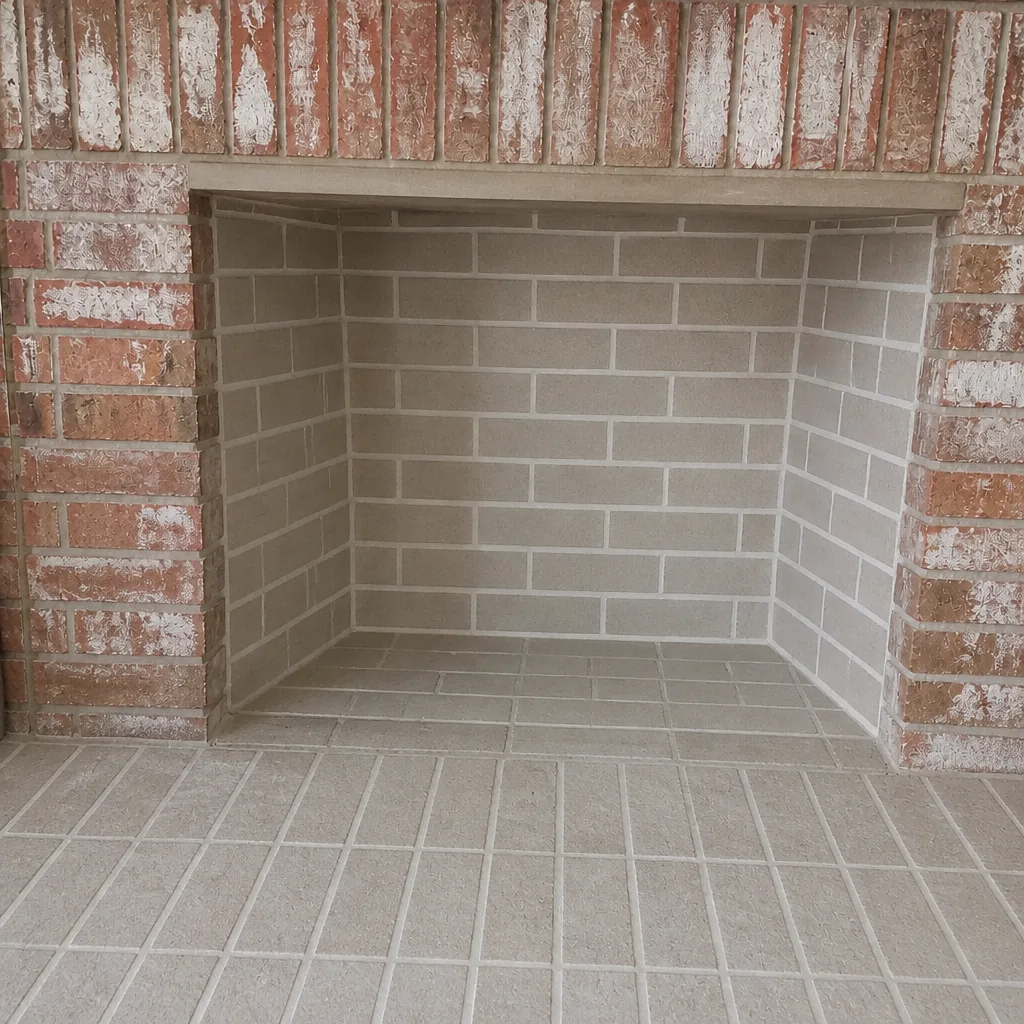
See the difference
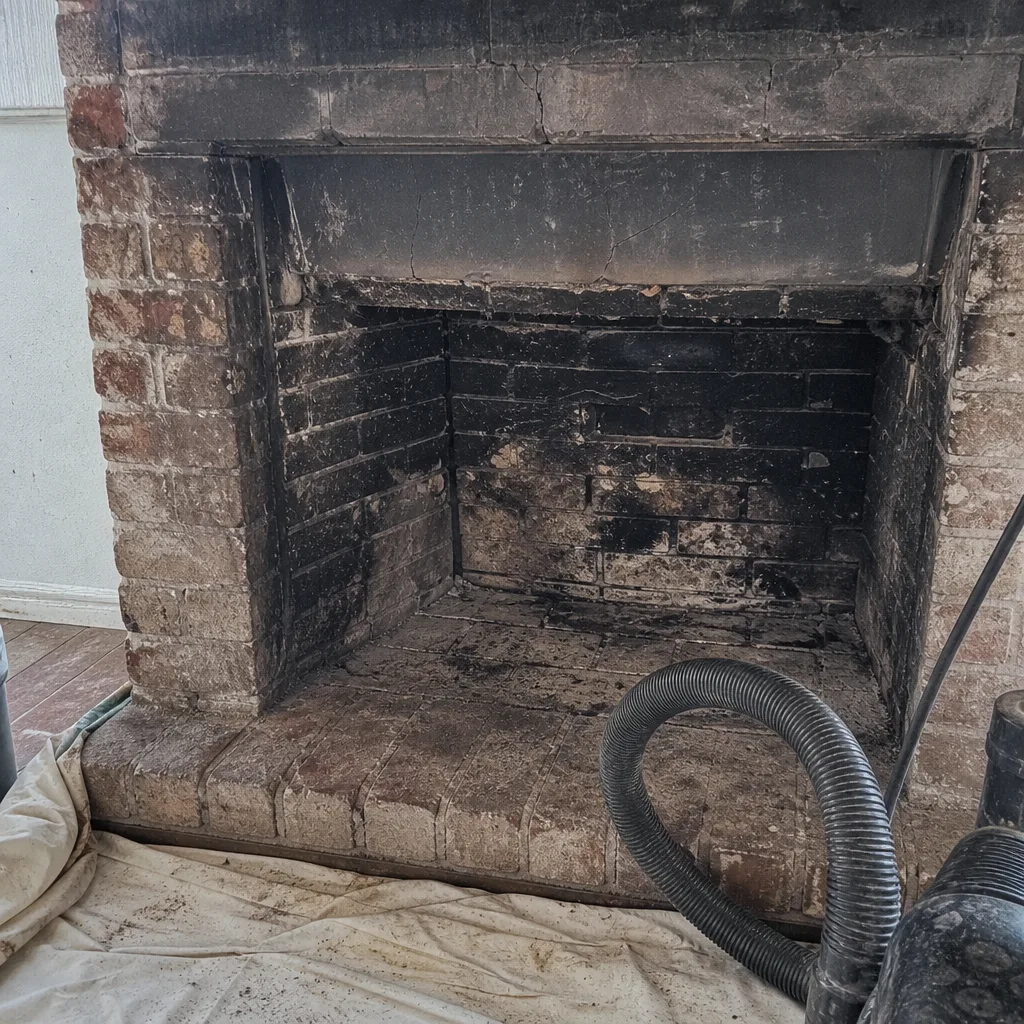 Before
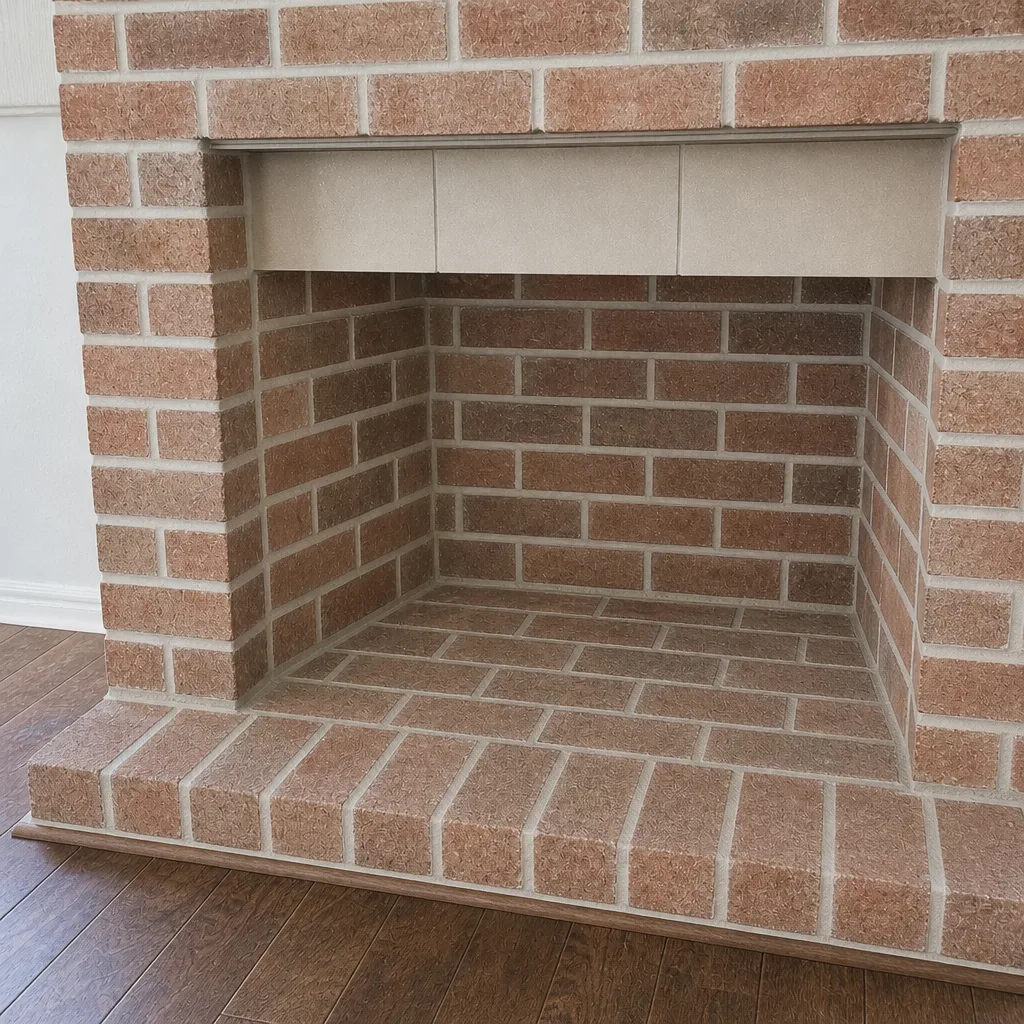 After
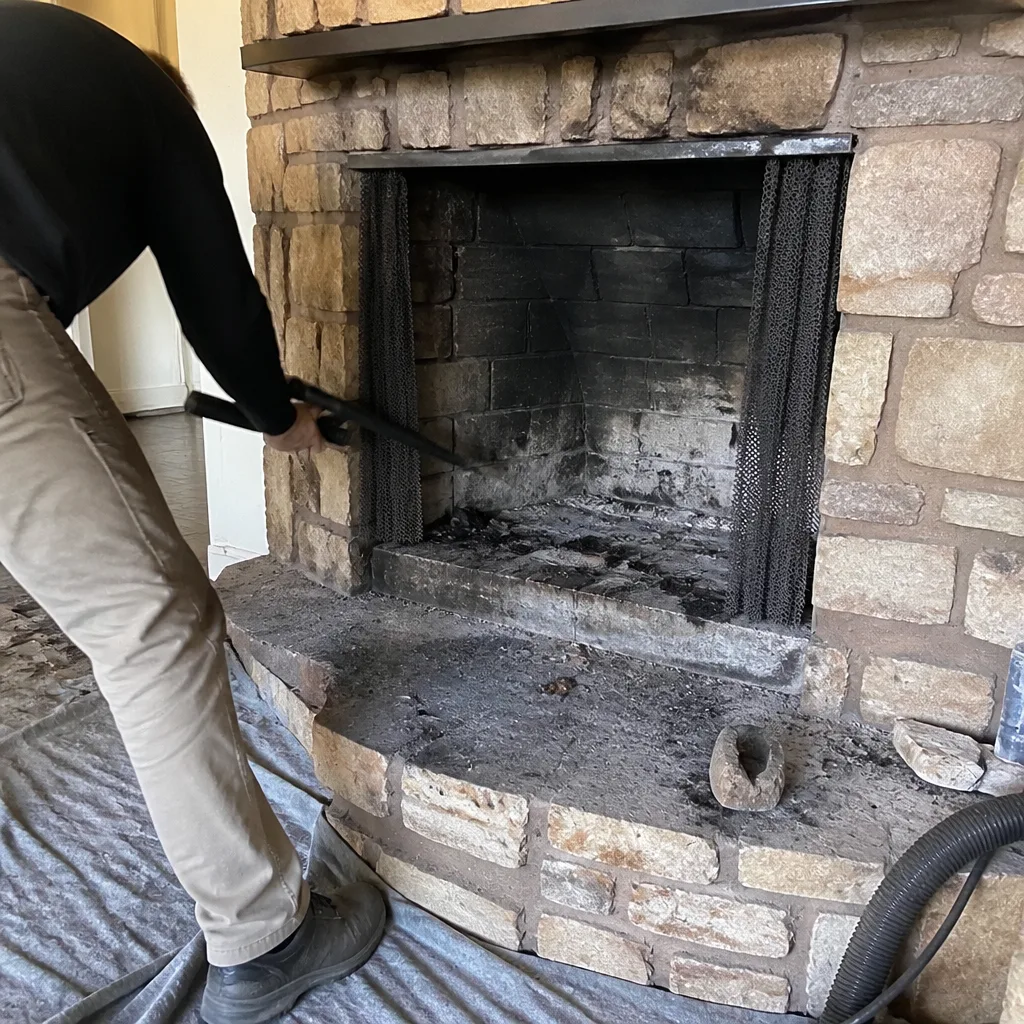
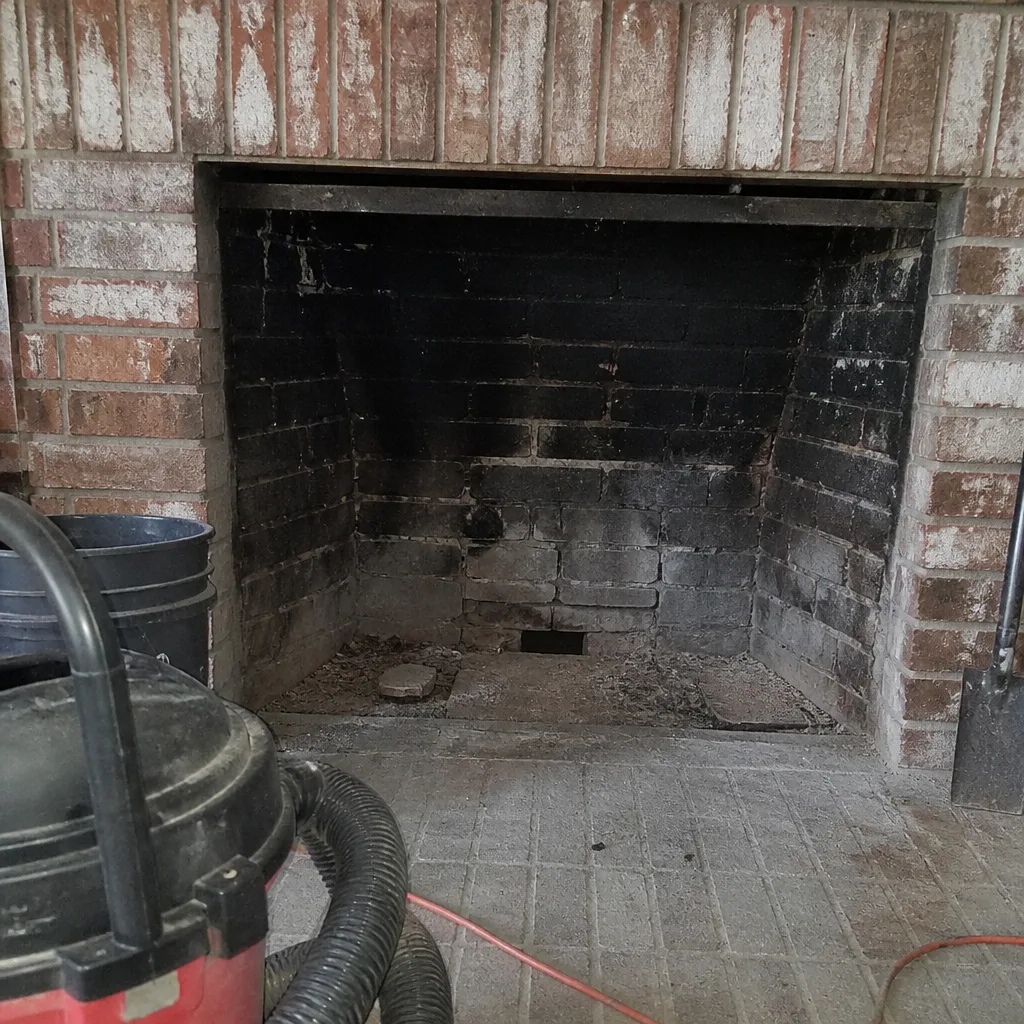 Before
 After
 Before
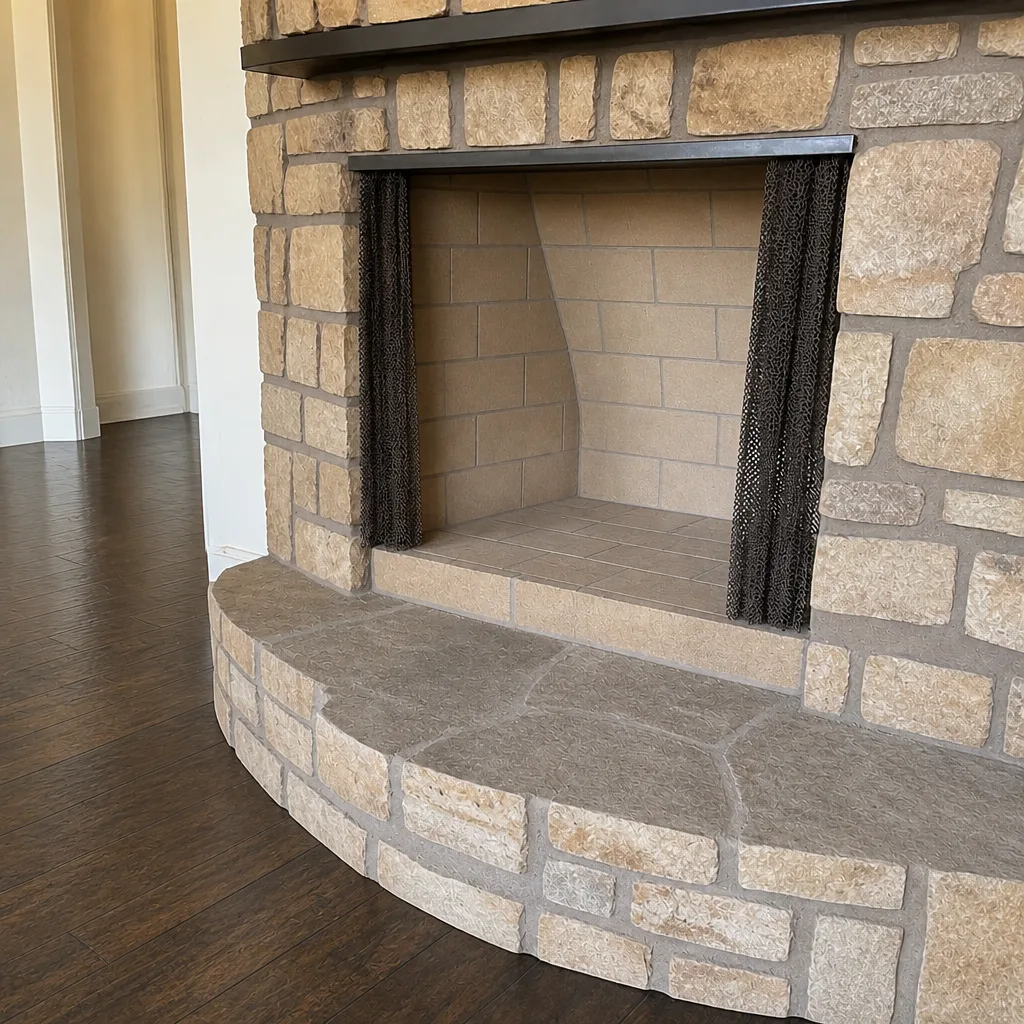 After
When to Call a Professional
Call a professional before you light the first fire of the season if it’s been a long gap since the last inspection, if you’ve just bought the home, or if anything about the system has changed. Call sooner if you notice draft problems, odors that weren’t there before, visible cracks or stains at the chimney, a damaged cap, or masonry that’s separated or off plumb. Those are inspection signals, not wait-and-see signals. And any work at height or involving the flue itself belongs with a trained professional. If you’re in doubt about a finding from another company, a second look with a camera is a reasonable move.
Mesquite Chimney Sweep offers free estimates in Mesquite, and one call covers the sweep, the inspection, and any repair if you need it. Our technicians have up to 12 years of experience, and we work with professional-grade brand parts throughout. Call (833) 246-4886. We answer 24/7. Fast dispatch from 7am to 7pm, Sunday through Friday.
Frequently Asked Questions
Most Mesquite households are well served by a sweep and inspection once a year before the burn season, but the right interval depends on how much and what you burn. Heavy burners, or anyone burning a lot of cedar or damp wood, may need more frequent attention. Call (833) 246-4886 for an exact quote on a sweep, and we’ll tell you what your flue actually needs.
A chimney sweep with a Level 1 inspection typically runs a modest flat price, and the cost rises when the flue has stage 2 or stage 3 creosote that needs chemical or rotary treatment, or when a camera inspection is added. The written estimate sets the final price. Call (833) 246-4886 for a free estimate.
Not always. A cracked or deteriorating flue can often be restored with HeatShield ceramic resurfacing rather than a full liner replacement, and that decision should be based on what the camera shows inside your flue. A full DuraFlex relining is the answer when the flue has failed more seriously. We recommend nothing without camera evidence you can see, and we’ll tell you plainly when a repair can safely wait. Call (833) 246-4886 to book an inspection.
A Level 1 is the basic inspection included with an annual sweep and covers the readily accessible parts of the system; a Level 2 adds a camera run through the flue and is called for after a change in the system, after a fire, or when you’re buying or selling a home. In Mesquite, a new homeowner should start with a Level 2 so the flue’s condition is documented. Call (833) 246-4886 for a free estimate.
Skipping a sweep lets creosote build toward stage 2 and stage 3, which makes the eventual cleaning harder and more expensive, and skipping the inspection means you don’t know the condition of the flue or the masonry around it. Clay soil movement here can open mortar joints and crack flue tiles without any change in how the fire burns. Call (833) 246-4886 for a free estimate and get the flue documented.
Before. Sweeping before the October to February burning months gives you a clean flue and a current inspection report going into the season you’ll actually use, and it leaves the warm months to handle any repair at a sensible pace. Call (833) 246-4886. We answer 24/7. Fast dispatch from 7am to 7pm, Sunday through Friday.
The Bottom Line
Chimney cleaning in Mesquite isn’t a fixed annual checkbox. It’s a service that should account for our short, intense burn season, the creosote profile of the wood you burn, and the way clay soil works on a masonry chimney. Get a sweep before the season, insist on an inspection with camera evidence and a written report, and treat stage 3 creosote or a cracked flue as a repair conversation rather than a cleaning one. From the first phone call through the sweep, the inspection, and any repair, the same team handles it. Call Mesquite Chimney Sweep at (833) 246-4886 for a free estimate, and we’ll tell you exactly what we found, what it means, and what fixing it involves.
Written by the team at Mesquite Chimney Sweep.